
Adrian Forsyth
Lab spectrometers determine quantities of chlorophyll. Though for predicting a tomato's ripeness, nothing beats the soft give of its skin against your thumb. I've published research articles on phototropism in plant biology, and I still find myself whispering encouragement to seedlings as they stretch toward their growth lights. The academy lauds peer review, but dirt teaches us the best lessons.
A few decades ago, I considered companion planting nothing more than a horticultural myth. Then, a graduate student's thesis opened my eyes when it showed marigold roots exude nematicides. From there, we planted marigolds in the rows of our nematode-infested tomatoes. Yield increased by 22 percent. Now, I interplant calendula in plots of my own. Science confirms what grandmothers always knew. Try to test your traditions and note your findings in the margins of your seed packets.
Last month, I helped a community garden implement my garden hacks related to soil pH. We used crushed eggshells as soil amendments for alkaline beds, and coffee grounds for a bed of acid-loving plants like kale. They doubled their kale harvest that fall. This is what you do next: Bury a slice of a raw potato next to a rose bush. After a week or so, compare the bloom count and vigor of that rose bush to a bush that received no additional treatment. Please email me your findings and describe the rosebush type and growing conditions. I will add your citizen science experiment to aggregated data gathering, and map those data against zones. Whether you're altering a variable or manipulating a careful arrangement of seed trays on a kitchen windowsill propagator, each observation will feed and advance the ground beneath us.

Perlite for Plants: A Complete Guide
Perlite for plants improves drainage and aeration. Learn what it is, how much to add, and which plants love it in this complete guide.

Pink Princess Philodendron Care Guide
Pink Princess Philodendron care made simple: light, water, soil, pink variegation science, pruning, propagation and pet safety.

Types of Roses: A Complete Guide
Explore the main types of roses, from wild species to modern hybrids, with care tips, fragrance notes, and help choosing the right one.

Cactus Plants: Types, Care, and Facts
Cactus plants made simple: learn the main types, easy indoor care, watering basics, and surprising facts backed by science and experts.

Tulip Poplar Tree: A Complete Guide
The tulip poplar tree is a tall native hardwood. Learn its size, growth rate, care, wildlife value, and whether it suits your yard.

Majesty Palm Care: Complete Indoor Guide
Majesty palm care made clear: exact light, water, humidity, and temperature targets to keep this tricky indoor palm alive and green.

Sweet Potato Vine: Complete Care Guide
Sweet potato vine care made simple: sun, water, overwintering, edibility, pet safety, and design tips backed by extension sources.

Bone Meal: The Honest Science Guide
Bone meal only works in acidic soil. Learn the real science, correct NPK, exact rates, risks, and smarter alternatives before you buy.
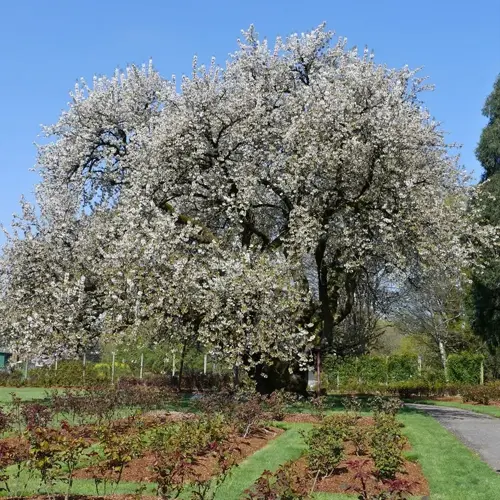
Black Cherry Tree: Growth, Wildlife, Safety
The black cherry tree guide covering size, growth, wildlife value, toxicity safety, and how to identify and grow it well.
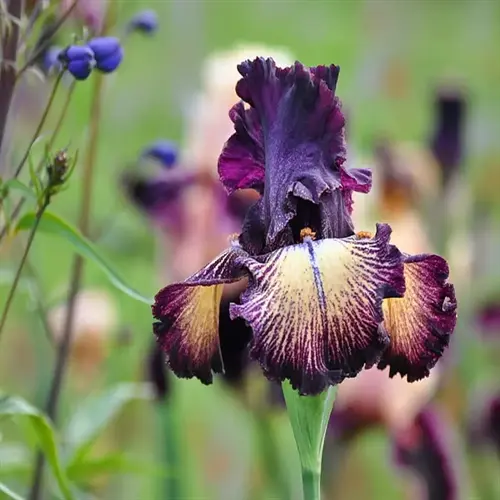
Bearded Iris: Complete Care Guide
Grow bearded iris with this extension-backed guide covering planting, sun, soil, dividing, pests, winter care, and bloom timing.
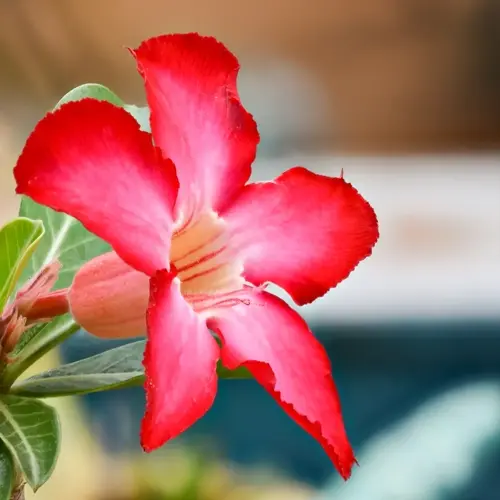
Desert Rose Plant Care: Sun, Soil & Blooms
A complete desert rose plant guide covering light, watering, soil, blooming, toxicity, and winter care for healthy Adenium obesum.
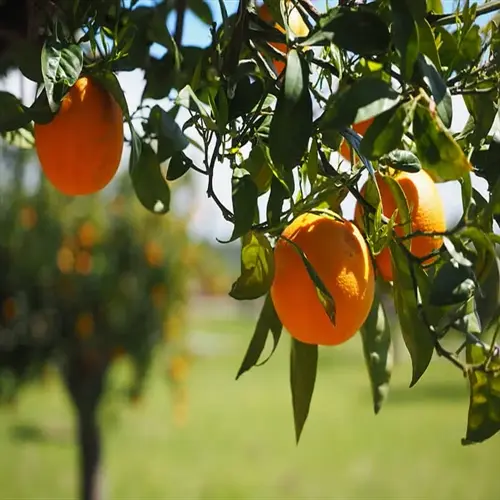
Orange Tree Care: Complete Growing Guide
Orange tree care made simple: zones, soil, water, feeding, varieties, and pests, backed by university Extension and USDA data.
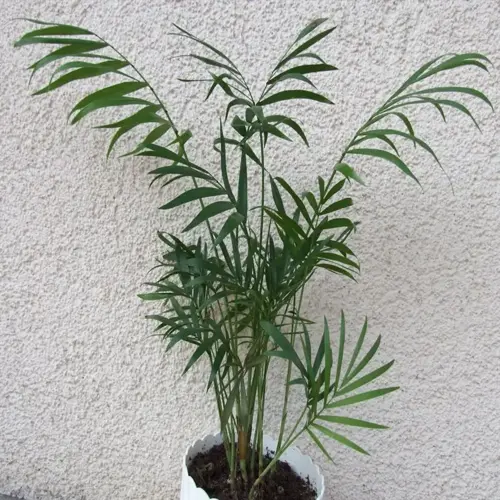
Parlor Palm Care: Complete Indoor Guide
Parlor palm care made simple: light, water, soil, pet safety, and pest fixes for a healthy, slow-growing indoor palm anyone can keep.
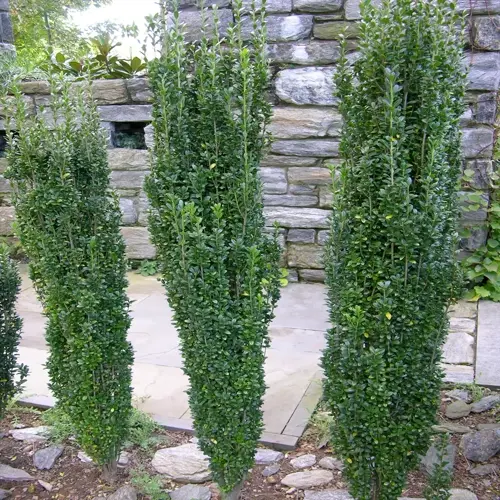
Sky Pencil Holly: Care and Growing Guide
Sky Pencil Holly care made simple: get the soil, watering, pruning, and disease-prevention facts that keep this narrow evergreen healthy.
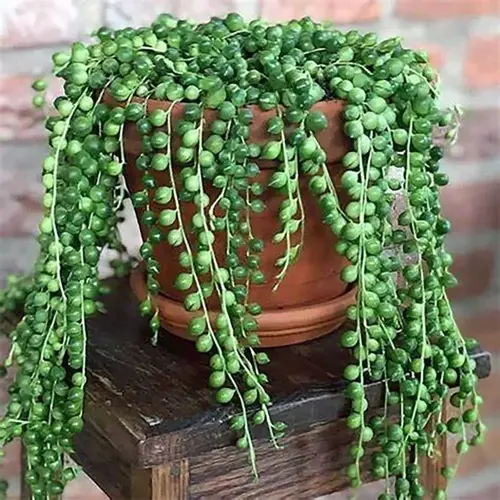
String of Pearls Plant: Care That Works
A complete string of pearls plant guide covering light, watering, soil, pet safety, and how to fix a struggling, shriveling succulent.
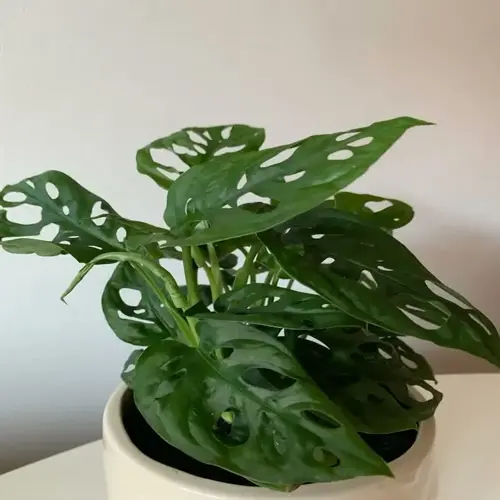
Swiss Cheese Plant Care: A Full Guide
Swiss cheese plant care made simple: light, water, soil, humidity, the science behind the holes, and toxicity, all in one guide.
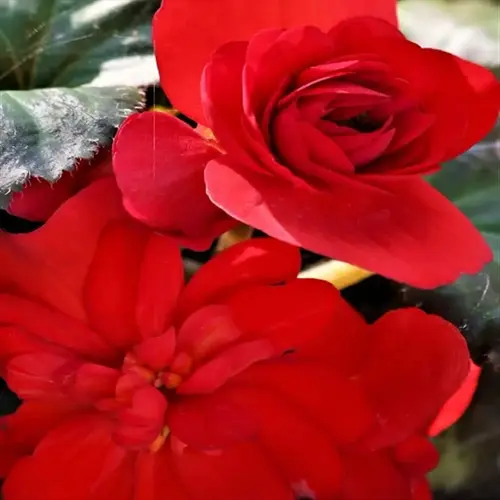
Begonias Plants: Full Care Guide
Begonias plants care made simple: types, light, watering, soil pH, overwintering, propagation, pests, and pet safety from extension experts.
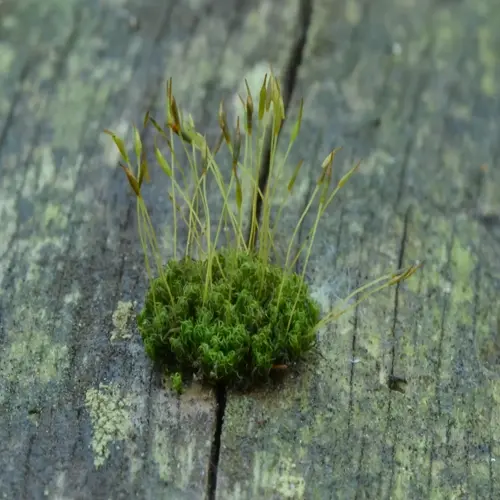
Sphagnum Moss: More Than Peat, Uses and Care
Sphagnum moss guide: uses for orchids, sphagnum vs peat moss, carbon sequestration, and how to choose peat-free moss responsibly.