
Introduction
The fluffy beige stuff you pack around orchid roots once dressed soldiers' wounds in World War I. That is sphagnum moss, and gardeners reach for it because it drinks up water and holds it close to roots for days. I jammed a soaked fistful into an orchid pot last spring and water gushed out like a wrung washcloth. Some species hold close to 20 times their dry weight in moisture.
Here is the fact that hooked me. This same moss is the chief engineer of one of Earth's biggest carbon stores. Bogs ruled by sphagnum hold about one-third of the world's soil carbon. Yet they cover only 3 to 5% of the planet's land, says Oak Ridge National Laboratory. A handful of moss links your windowsill to the climate.
This guide does two jobs at once. It walks you through orchid care, how to pack the moss and when to swap it, the way any solid plant guide should. Then it goes further into why the moss works, where it comes from, and what your buying choice does to a bog. You get sphagnum moss as both a gardening tool and a living organism worth using with care.
Think of the moss as a living sponge. Its water retention comes from hollow, mostly dead cells that soak up rain and let it go slow. That single trait drives every use you will read about, from orchid potting medium to seed starting and terrarium floors. We split the rest into two halves. First the practical side and the full list of sphagnum moss uses, including how it stacks up against peat moss. Then the science and the sourcing, so you can buy peat-free and still grow great plants.
Top Uses for Sphagnum Moss
Pick up a dry brown brick of compressed moss and you hold one of the most flexible materials in any garden shed. Soak it and pack it loose, and it becomes a nest for your orchid roots. Press it against wire and it lines a basket. Spread it flat and fine seeds sprout in it. The sphagnum moss uses below all come from one trait: this plant grips water like almost nothing else.
That grip is not a sales claim. Dried sphagnum holds water far past its own dry weight, often around 20 times what it weighs, with some species reaching 16 to 26 times. Hollow dead cells act like tiny sponges. That one trait is why the same handful works in a hanging basket, a terrarium substrate, or a seed tray.
Here are the jobs sphagnum does best. Each use leans on a slightly different strength, so treat this as a roundup and pick the one that fits your plant. Orchids get a short mention below because they earn a full step-by-step section of their own further down this guide.
Orchid Potting Medium
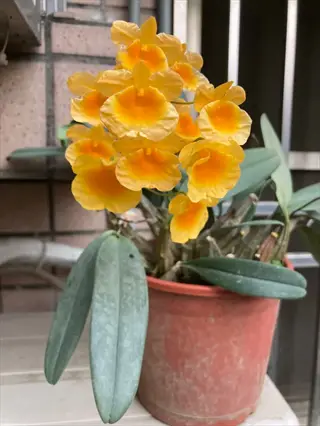
- Best for: Epiphytic orchids such as Phalaenopsis that grow on bark in nature and need air around their roots.
- Why it works: The moss holds moisture against the roots while still letting air pass through, mimicking a humid tree branch.
- At a glance: Soak the moss, pack it loosely around the roots in a pot with drainage holes, and water only when the surface feels barely damp.
- Why it stands out: Sphagnum is the go-to medium for growers reviving a struggling orchid with weak or rotted roots.
- Trade-off: Packed moss holds water far longer than bark, so it rewards a lighter, more patient watering hand.
- Go deeper: This roundup keeps orchids brief, since the full step-by-step potting, species, and watering method has its own dedicated section below.
Lining Hanging Baskets
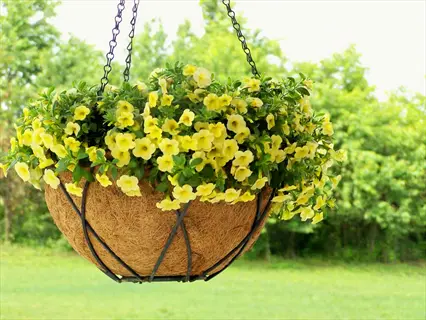
- Best for: Wire and open-sided baskets that would otherwise let potting soil wash straight through.
- Why it works: A moss lining acts as a wall that holds soil in place while keeping moisture near the roots.
- How to use: Press damp moss firmly against the inside of the basket before adding soil and plants.
- Benefit: The lining slows drying on hot days, so baskets in full sun need less frequent watering.
- Appearance: The green-to-tan moss edge gives baskets a natural, finished look around trailing plants.
- Refresh: Top up thin spots each season, since the lining slowly compresses as the basket settles.
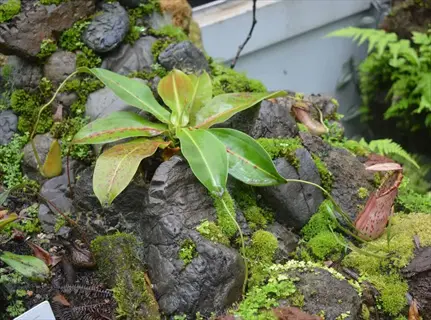
Terrarium and Vivarium Substrate
- Best for: Closed terrariums and reptile or amphibian setups that need steady, high humidity.
- Why it works: The moss releases stored moisture slowly into the air, holding humidity without standing water.
- How to use: Lay a damp layer over a drainage base so excess water collects below the roots.
- Humidity: Misting the moss recharges it, keeping the enclosure damp between waterings.
- Cleanliness: Its mild acidity helps slow some mold and bacteria, though it does not replace good airflow.
- Replace: Swap soggy or broken-down moss to keep the substrate fresh and free draining.
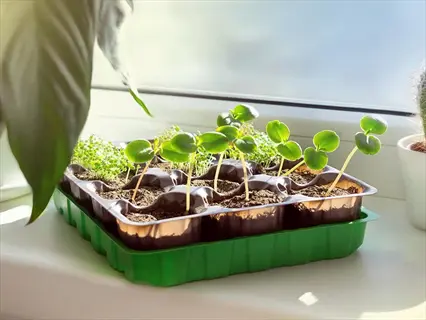
Seed Starting and Propagation
- Best for: Starting fine seeds and rooting cuttings that need constant, gentle moisture.
- Why it works: The even dampness keeps delicate seedlings from drying out without drowning them.
- How to use: Spread soaked, fluffed moss in a tray and press seeds or cutting bases lightly into it.
- Air layering: Wrap moist moss around a wounded stem and cover it with film to grow roots on a parent plant.
- Cleanliness: Many growers sterilize the moss first by soaking it in hot water to reduce fungal problems.
- Transition: Move rooted seedlings into soil once roots are established, since moss alone has few nutrients.
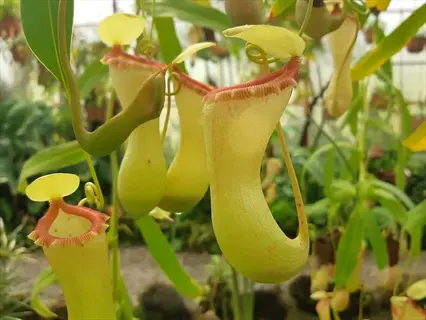
Carnivorous Plant Bedding
- Best for: Bog plants like pitcher plants and Venus flytraps that evolved in nutrient-poor, acidic wet ground.
- Why it works: The moss recreates the low-nutrient, moisture-rich conditions these plants need to thrive.
- How to use: Plant directly into pure, soaked sphagnum and stand the pot in a tray of mineral-free water.
- Water quality: Use rain or distilled water, since tap-water minerals can harm sensitive carnivorous plants.
- Avoid fertilizer: These plants get nutrients from prey, so feeding the moss can damage the roots.
- Refresh: Replace the moss yearly to keep the bed clean and the drainage open.
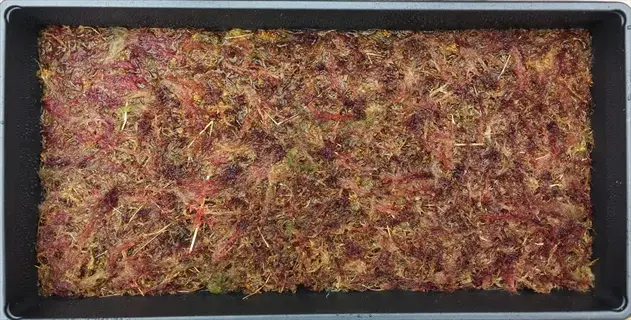
Wound Dressing in History
- Background: During the First World War, dried sphagnum moss was used as a wound dressing when cotton ran short.
- Why it worked: It absorbs far more fluid than cotton and its mild acidity helped slow bacterial growth.
- Scale: Field hospitals relied on huge quantities, with dressings produced and shipped by the million.
- Mechanism: The same hollow dead cells that hold water also drew wound fluid away from the skin.
- Today: This is history and context, not a home remedy, since modern sterile dressings are safer and tested.
- Takeaway: The story shows why sphagnum earned its reputation for absorbency and gentle antiseptic action.
These jobs reach well past the potting bench. The same absorbency that helped sphagnum serve as a battlefield wound dressing now points to a modern role. A 2024 study found that sphagnum out-binds peat for most metals. That makes it a strong fit for environmental remediation and for cleaning dirty water. One plant feeds your orchids, beds your carnivorous plants, and may even help pull heavy metals from the ground.
The Science Behind the Moss
The wild water retention you get from this plant is not magic. It comes down to how the moss is built at the cell level. Around 90% of sphagnum is made of large, hollow, dead cells that act like tiny tanks. Rain floods into them and stays put, which is why your handful of moss can soak up so much before it ever feels full.
Those dead cells have a name. They are called hyaline cells, and they sit between the green living cells that keep the plant alive. The living cells do the work of growing. The dead ones just hold water. That split job is the whole trick, and it lets the moss carry many times its own dry weight in moisture.
The same trait that helps your orchid roots also shapes the planet. Sphagnum keeps the ground it grows on wet and acidic, which slows decay to a crawl. Dead plant matter cannot rot fast in those conditions, so it stacks up year after year. That slow pile-up is peat bog formation, and it can take thousands of years to build a deep bog you could stand on.
Think of the moss as the chief engineer of a peatland. It builds the wet, sour conditions that lock plant carbon in place instead of letting microbes break it down and release it as gas. That single job is why sphagnum punches so far above its size in the numbers below.
Read those two middle rows again. They are the real headline. Bogs run by sphagnum hold roughly one-third of all the soil carbon on Earth. That fact comes from researchers at Oak Ridge National Laboratory. Yet these bogs cover only 3% to 5% of the land. No other plant genus likely stores more carbon than this one. A scruffy bog moss does more carbon storage work than the trees you picture when you think about climate.
These genomes are coming from the plants that are largely responsible for storing carbon in these ecosystems. Knowledge of their genetics can provide us with insights to help peatlands continue being the carbon sinks they have been for thousands of years, instead of net sources of greenhouse gases like carbon dioxide and methane as the climate warms.
The moss is also a fast nitrogen filter. During light rain, water sits in the living sphagnum layer for only about 10 to 30 minutes, per Fritz and colleagues in 2014. In that short window the moss grabs nitrogen out of the water before it can wash away. The plant cleans the rain on its way through, and that feeds the bog while keeping the system lean and acidic.
Here is what raises the stakes for you. The DOE SPRUCE experiment in Minnesota tested warming on a real bog. It found that heat can flip a peat bog from a carbon sink into a carbon emitter. Warmth speeds up the decay that the cold, wet moss had held back for ages. So the carbon sequestration these bogs have done for thousands of years can reverse. That is why protecting a healthy peatland matters far beyond your plant pots.
How to Use It for Orchids
The two lowest leaves on my kitchen window Phalaenopsis went yellow and turned to mush at the base. This was two weeks after I repacked its moss. I had stuffed the moss in tight to hold the plant steady. I also kept watering it on my old bark schedule. So I pulled it out, loosened the moss, and let the surface dry between drinks. The rot stopped, and the next leaf came in firm and green.
That plant taught me how sphagnum moss for orchids behaves nothing like bark. Packed moss can hold water for a week or more, so air circulation matters as much as moisture when you grow this way. Get the packing and the watering rhythm right and the moss does the rest.
Before you start potting orchids with sphagnum moss, soak the dried fiber for about 30 minutes so it swells and softens all the way through. Then wring it out until it feels damp, not dripping. The steps below walk you through the rest, from cleaning roots to your first careful watering.
Cover dried sphagnum with water for about 30 minutes until it swells and softens, then wring it out so it is damp but not dripping.
Remove the orchid from its old pot, tease away spent medium, and trim any blackened or mushy roots back to firm tissue.
Pick a pot with generous drainage holes, ideally clear plastic, so you can watch root color and moisture at a glance.
Tuck the damp moss around the roots firmly enough to hold the plant upright but loose enough that air can still move through.
Place the pot in bright, indirect light and hold off on heavy watering for a few days while the disturbed roots recover.
Water only once the top of the moss feels barely damp, since soaked moss that never dries is the fast track to root rot.
Match the moss to the orchid. Moisture-loving Phalaenopsis take to moss well and forgive a damp pot. But some orchids like to dry out between waterings. Many Cattleya types do, and they are far easier to overwater in moss. Use a chunkier mix for those, or just go slow with the watering can.
Watch for signs of overwatering while the plant settles in. Yellow lower leaves that go soft, a sour smell from the pot, and brown squishy roots all point to root rot from moss that never dries. If you catch it, do an early repotting into fresh, loosely packed moss and trim the dead roots back to firm white tissue.
Packing the moss tight to make the plant feel secure squeezes out the air roots need and traps water against them. Keep it springy, not solid, and let the surface dry before the next watering.
Sphagnum Moss vs Peat Moss
The sphagnum moss vs peat moss question trips up new gardeners because both come from the same plant. The core distinction is clear once you see it. Sphagnum is the living or fresh-dried top of the moss, while peat is the decayed remains that pile up far below it.
A simple life stage comparison helps you separate the two. Think of fresh leaves versus the compost they turn into after years on the ground. Sphagnum gives you long, stringy fibers that hold their shape when wet. Peat is fine and crumbly, more like dark soil than moss.
- The living or recently dried top growth of the plant.
- Long, stringy fibers that hold their structure when wet.
- Near neutral to mildly acidic when fresh.
- Best for orchids, baskets, terrariums, and carnivorous plants.
- Harvested from the surface, where regrowth is possible over years.
- The decayed remains that build up below the living layer.
- Fine, crumbly, soil-like material from long decomposition.
- Distinctly acidic, often around pH 4, useful for acid-loving plants.
- Best as a general soil amendment for moisture and structure.
- Dug from deep deposits that took thousands of years to form.
As the top portion of a sphagnum moss continues to grow, the lower part dies off, turning from green to tan to dark brown. Accumulations of this material are called peat.
That slow burial drives the pH point people argue about, so read it carefully. Fresh living sphagnum sits near neutral to mildly acidic. The peat below the bog forms over thousands of years, and it turns distinctly acidic, often around pH 4. That sour pH is why peat works as a soil amendment for acid-loving plants like blueberries and azaleas.
So the buying choice is simple once you know the stage. Reach for long-fibered moss when you want airy structure around roots in orchid pots, baskets, or terrariums. Reach for peat when you want a fine, soil-like material that holds moisture across a whole bed.
Sphagnum is not your only option, and the right pick depends on the plant. The sphagnum vs coco coir debate comes up often. Coir holds moisture like moss but renews faster from coconut waste. Orchid bark adds airflow that epiphyte roots love, perlite sharpens drainage in heavy mixes, and leca clay pellets rinse clean and last for years. My alternatives section breaks down each one in full.
One last comparison ties this back to the planet. Peat-free choices keep gaining ground for a reason you should connect to. Harvesting peat tears open old bogs full of stored carbon. Those bogs took ages to build. Pick sphagnum, coir, or bark instead and you spare them, while losing almost nothing in the pot.
Harvesting and Sustainability
The bag of moss on your bench started as a living plant in a bog. That bog took thousands of years to build. This is the whole reason sphagnum moss sustainability matters. Bogs hold close to a third of the world's soil carbon on just 3% to 5% of its land. Dig them out, and you release carbon that took ages to lock away.
Here is the part that gets lost. Harvesting the living surface moss and digging out the deep peat below it are two very different acts. A light rake of the green top layer skims off growth the bog can replace. Drain the bog and dig into the brown peat underneath, and you tear open a carbon store that will not come back in your lifetime.
The good news is that surface moss is renewable moss when you treat the bog right. Lightly harvested sphagnum can regrow over about 5 to 6 years. It just needs the ground to stay wet and undisturbed. The recovery can beat what scientists expected. A team in Finland looked at 18 restored bog sites. They found a fresh moss layer averaging 15 cm thick within 10 years.
Decades to centuries
Living sphagnum builds up year after year, the top growing while the lower layers slowly die and compress.
Thousands of years
Compressed dead moss accumulates into deep, carbon-rich peat deposits that form the bogs we draw peat from.
Harvest day
Surface moss is gathered for horticulture, while heavier peat extraction drains and digs into the ancient layers below.
Around 5 to 6 years
Lightly harvested surface sphagnum can regrow if the bog stays wet and undisturbed enough to recover.
Within 10 years
Restored bogs can rebuild a thick moss layer that sequesters carbon at rates that may exceed pristine bogs.
That recovered layer does real climate work. Across those Finnish sites, the rebuilt moss pulled down roughly 48 tons of carbon dioxide per hectare, a rate that can beat a pristine bog. So peatland restoration is not a slow consolation prize. A healthy bog goes back to filtering water and storing carbon faster than most gardeners would guess.
Warming threatens the whole balance though. A DOE study called SPRUCE heated patches of a Minnesota bog. Then it watched what the warm peat did. The peat began to release carbon instead of absorbing it. It flipped from a sink into a source. Every ton you keep in the ground by buying smart is a ton that stays put as the climate heats up.
Think of it like fishing instead of draining the pond. You can take the surface growth that the bog renews each year and leave the deep store intact for the fish, the water, and the carbon. That is why carbon sequestration is not just a far-off science story. It is the direct payoff of choosing peat-free amendments or moss from a well-managed source over the cheapest bag on the shelf.
Look for sustainably managed or clearly sourced sphagnum, and reach for peat-free amendments where you can. The surface moss regrows in years, but the deep peat below it does not return in a lifetime.
Choosing and Storing Moss
I knelt on my shaded porch with two open bags. A dusty short-fiber moss sat in my left hand. In my right was the long-fibered sphagnum moss I now use for orchids, a premium New Zealand sphagnum with clean, springy strands. I squeezed both. The cheap one packed into a wet, gritty mat that clung to my palm, while the long fibers sprang back open and let water run straight through. You could feel the drainage in your hands before a single root ever touched it.
Fiber length is the first thing that tells you whether you hold the best sphagnum moss for the job or a bag of broken-down filler. Stores rarely make this easy, since two bags can look alike through the plastic and cost the same. So you learn to read a few simple signals at the shelf instead of trusting the front label.
You also have to decide between dried sphagnum moss and live sphagnum moss, and the two are not interchangeable. Dried moss is the tan, compressed product you soak and pack around roots, and it covers most potting and propagation jobs. Live moss is a green, growing layer you add on top of a pot to lift humidity and finish a display. The checklist below breaks down what to grab and how to keep it good.
Fiber Length and Grade
- Long-fibered: Stringy, intact strands drain well and resist packing down, making them the top pick for orchids and baskets.
- Short or milled: Crumbly, finer moss holds tightly together and suits seed starting, mixing, and topdressing small pots.
- Premium grades: Names like high-grade New Zealand and starred Chilean moss signal long, clean fibers with little debris.
- Check the bag: Look for springy strands rather than dust and crumbs, which point to broken-down, lower-quality moss.
Live vs Dried Moss
- Dried moss: The common shelf product, light tan and compressed, ready to soak and pack around roots after rehydrating.
- Live moss: A growing green moss used to topdress pots, lift humidity, and add a fresh finished look to displays.
- Greening up: Some dried moss carries dormant fragments that can revive and green over if kept consistently moist and bright.
- Which to buy: Choose dried for general potting and propagation, and live mainly when you want active surface growth.
Cleanliness and Freshness
- Color: Fresh moss runs from pale tan to light green, while gray, dark, or musty moss is often old or starting to break down.
- Smell: A clean, earthy scent is fine, but a sour or moldy odor means the moss has been stored damp and should be skipped.
- Debris: Quality moss has few sticks, leaves, or soil clumps mixed in, which keeps drainage open once it is packed.
- Sterilizing: For propagation, many growers soak the moss in hot water first to reduce fungal spores before use.
Storing It Well
- Keep it dry: Sealed and dry, dried sphagnum stores for a long time without losing its absorbency or structure.
- Avoid damp: Once moist, the same moss rehydrates fast and can grow mold within days if left in a closed, warm space.
- Portion it: Soak only what you need for a job, since rehydrated leftovers spoil far faster than dry moss in the bag.
- Label and date: Note when you opened a bag, and replace potting moss every six to twelve months as it breaks down.
Storing moss well comes down to one rule, and that rule is keep it dry. Sealed and dry, a bag of sphagnum holds its absorbency and structure for years on a shelf. The moment it goes damp, though, the same fibers that soak up water in a pot will grow mold in a closed bag within days. So soak only what a job needs and use it fresh.
Keep your unused dried moss sealed and bone dry. The trait that makes it grab water in a pot also makes an open, damp bag turn moldy fast, so soak only what a job needs.
5 Common Myths
Sphagnum moss and peat moss are exactly the same product sold under two different names.
They are the same plant at different stages. Sphagnum is the living top growth, while peat moss is its decayed remains from deep below.
The more tightly you pack sphagnum moss around orchid roots, the more secure and healthy the plant will be.
Packing it tight squeezes out the air roots need and traps water, which is a leading cause of root rot. Keep it springy.
Sphagnum moss is always strongly acidic, so it will lower the pH of anything you plant in it.
Fresh living sphagnum is near neutral to mildly acidic. The deep peat that forms beneath a bog over time is what becomes strongly acidic.
Because sphagnum moss holds so much water, plants grown in it can never be overwatered.
The opposite is true. Packed moss stays wet for a long time, so overwatering in moss is easier and more damaging than in bark.
Harvesting sphagnum moss is harmless because the moss simply grows straight back the next season.
Surface moss may regrow over several years, but draining and digging the underlying peat destroys bogs that took thousands of years to form.
Conclusion
The same trait that makes sphagnum moss so useful in your pots is the trait that makes it matter far beyond your bench. Those dead, hollow cells soak up huge amounts of water, and that water retention is why your orchid roots stay damp without drowning. Out in a bog, that same wet, acidic, slow-to-decay layer is what locks carbon away for thousands of years.
So the practical and the scientific are really one story. When you line a hanging basket, start seeds, or repot an orchid, you are using a living sponge that built the world's biggest carbon stores. Sphagnum-dominated peatlands hold about one-third of the world's soil carbon on just 3% to 5% of the planet's land surface. No other product on your potting shelf carries that kind of weight.
That weight is exactly why sustainability has to be part of the picture. The green surface moss can regrow over a handful of years. But the deep peat moss below it took thousands of years to form, and it does not come back on any timescale that helps us. Buy from suppliers who harvest the living top layer with care, and reach for peat-free options when you can. The full range of sphagnum moss uses, from orchids to seed trays, works just as well with responsibly sourced moss.
Think of it as a sponge you borrow rather than one you own. Use it well, treat where it comes from with respect, and you keep these bogs doing their quiet, vital job. Healthy peatlands stay carbon sinks instead of turning into emitters as the climate warms. That is a return no amount of moss in a pot can match.
Glossary
- Air layering
- A propagation method that grows roots on a parent plant by wrapping moist moss around a wounded stem until roots form.
- Carbon sequestration
- The natural capture and long-term storage of carbon, which sphagnum-built peatlands do by locking carbon into wet, slowly decaying peat.
- Epiphyte
- A plant such as many orchids that naturally grows on tree branches rather than in soil, with roots that need air around them.
- Hyaline cells
- The large, hollow, mostly dead cells in sphagnum that fill with water like tiny tanks, giving the moss its huge water-holding capacity.
- Long-fibered moss
- Sphagnum with long, stringy strands that drain well and resist packing down, making it the top grade for orchids and baskets.
- Peat moss
- The long-decayed, soil-like remains of sphagnum that build up beneath a bog over thousands of years.
- Peatland
- A waterlogged habitat where dead sphagnum accumulates as peat, storing large amounts of soil carbon.
- Sphagnum moss
- A spongy, moisture-loving moss whose living top growth is harvested for gardening and whose decayed remains form peat.
External Sources
Frequently Asked Questions
What plants is sphagnum moss good for?
Sphagnum moss suits moisture-loving and epiphytic plants.
- Orchids such as Phalaenopsis
- Carnivorous plants like pitcher plants
- Hanging baskets and terrariums
- Seedlings and cuttings
How do you use sphagnum moss?
Soak dried moss, wring it out, then pack it loosely around roots or use it for lining and propagation.
What are the best alternatives to sphagnum moss?
Common alternatives include coco coir, bark, perlite and leca.
- Coco coir for water retention
- Bark for airy orchid mixes
- Perlite for drainage
- Leca for reusable potting
How do you water sphagnum moss correctly?
Rehydrate it fully, then water again only when the top layer feels barely damp.
Why does sphagnum moss turn moldy?
Mold appears when the moss stays too wet with poor airflow or has broken down.
Can you mix sphagnum moss with soil?
Yes, mixing moss into soil improves moisture retention and structure.
Does dried sphagnum moss turn green again?
Sometimes, if living fragments remain and get steady moisture and light.
Which sphagnum moss is the best?
Long-fibered grades such as premium New Zealand and Chilean moss are top picks.
Can you put sphagnum moss on a wound?
It was used for wound dressings in World War One, but today it is history, not a home remedy.
Is it legal to collect sphagnum moss from the wild?
Rules vary by location and many bogs are protected, so always check local law first.