
Introduction
Few flowers signal spring like a bed of tulips, and few garden bulbs leave people more confused. You plant tulip bulbs in fall, wait through winter, and get a stunning show. Then the second spring brings half the flowers, and the third brings mostly leaves. That fade is the story almost no guide tells you how to fix, and it is where this one starts.
Here is the fact that changes everything. Most modern tulip cultivars bloom well for only 3 or 4 years. Iowa State University Extension found they weaken and quit after that. So strong return blooms come down to two things you control. You pick the right bulbs, and you plant them the right way. Get both right and your tulips keep coming back instead of fading after one good season.
Most pages will tell you to dig deep, around 6 to 8 inches, and leave it there. But Cornell landscape trials running since 2009 found the opposite helps tulips last. Shallow planting topped with mulch perennializes tulips far better than deep planting. That single research-backed shift is the heart of this guide, and almost no competitor leads with it. We do.
From here you get the full path, not a quick reference card. You will learn the right way of planting tulips and the longest-lived perennial tulips to grow. We cover the exact depth and soil they want, plus the best site for full sun and good drainage. We also cover after-bloom care, forcing blooms indoors in winter, and why these bulbs harm pets. First, let's settle when to plant tulips and how to get them in the ground.
How to Plant Tulip Bulbs
My first tulips set against the south-facing house wall in my clay back border pushed up green weeks too soon, then a late frost nipped every bud brown. I moved them the next fall to the cooler open bed by the garden path, and they held tight until spring was ready for them. The warm soil near the foundation had tricked them into an early start.
Learning how to plant tulip bulbs the right way comes down to timing, depth, and spacing more than anything else. Get those three right and the bulbs do the hard work on their own through winter.
When to plant tulips is simple once you know the rule. Plant in fall, usually October. In colder climates, get them in from mid-September to mid-October. That way the roots take hold before the ground freezes. Hardy tulip bulbs need a long cold spell to break dormancy. So you want them in the ground while the soil is cooling but still soft enough to dig.
Don't panic if you run late. Tulips are the one exception to the usual bulb window. You can plant them as late as you can still work the soil, the University of Minnesota Extension notes. So planting tulips in fall at the right moment matters more than hitting one exact date.
Plant in fall, usually October, and in cold climates from mid-September to mid-October so roots establish before the ground freezes.
Loosen well-drained soil and work in compost; standing water rots bulbs, so avoid low, soggy spots and heavy, waterlogged ground.
Place bulbs pointed end up, 4 to 6 inches apart, at the depth that suits your soil type and your goal of one season or return blooms.
Backfill the soil, then add 2 to 3 inches of mulch to moderate soil temperature and protect bulbs through winter freezes and thaws.
Water deeply right after planting to settle the soil and trigger rooting, then leave the bed alone until shoots appear in spring.
Good tulip bulb spacing keeps each plant from fighting its neighbors for water and root room. Set the bulbs 4 to 6 inches apart with the pointed end facing up, since that tip is where the stem pushes through. Plant a little tighter for a dense ribbon of color, or wider if you want the bulbs to spread out and return for more seasons.
Planting against a warm south or west facing foundation makes soil warm early, which can force premature bloom and frost damage. Choose an open spot or mulch to moderate the temperature.
Best Perennial Tulip Varieties
The back border by my garden path still runs solid gold each April. Those are the 'Apeldoorn' Darwin hybrids I dropped in years ago. In that same bed I once tried a row of fussy parrot tulips. They quit after two springs and never sent up a leaf again.
Your tulips come back or quit based on the group you buy, not on luck. Most new types give you a great show for only 3 or 4 years. Then they fade to leaves. That covers the triumph, parrot, fringed, and double tulips most stores push for one big season.
Want perennial tulips that return on their own? You pick from a short list of proven groups. The Darwin hybrid tulips bloom longest of any hybrid. Fosteriana types come back well too. And species tulips live the longest of all, per Iowa State and Maryland extension work.
These are the best tulips that come back year after year in real US gardens. I sorted them by how well they repeat. Species or wild tulips can even spread on their own when the spot suits them. The showy hybrids almost never do that.

Darwin Hybrid Tulips
- Why grow them: Darwin hybrids are the longest-blooming hybrid tulips and the most reliable for return blooms in home gardens.
- Named cultivars: Popular choices include 'Apeldoorn', 'Pink Impression', 'Golden Apeldoorn', and 'Daydream' for bold spring color.
- Flower look: Large, classic egg-shaped blooms on tall sturdy stems make them the picture most people imagine when they think of tulips.
- Longevity: They outlast most modern cultivars, which typically bloom well for only 3 or 4 years before fading to foliage.
- Best use: Plant them in drifts for a strong, repeating display that returns more dependably than fancy parrot or fringed types.
- Care note: Let the foliage yellow fully after bloom so the bulb stores enough energy to flower again next spring.
Fosteriana (Emperor) Tulips
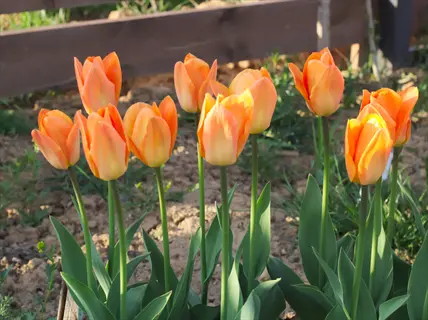
- Why grow them: Fosteriana tulips, often sold as Emperor tulips, perennialize well and return more reliably than standard hybrids.
- Named cultivars: Look for 'Orange Emperor', 'Purissima', and 'Madame Lefeber' for large, early-season flowers.
- Flower look: They open into wide, bold blooms early in the season, giving color before many other tulips wake up.
- Longevity: As a perennializing group they keep coming back for several years rather than fizzling out like most cultivars.
- Best use: Pair them with later Darwin hybrids to stretch the tulip season across several weeks of spring.
- Care note: Give them well-drained soil and full sun so the bulbs stay firm and ready to repeat their show.
Small Species Tulips
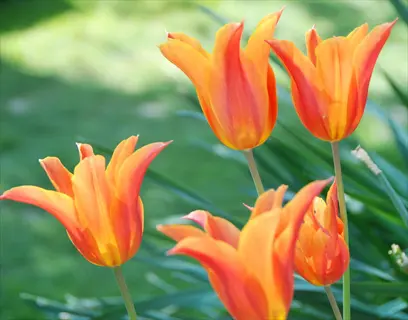
- Why grow them: Species tulips are generally the longest-lived tulips and can naturalize when given favorable growing conditions.
- Named cultivars: Reliable small choices include T. tarda and T. clusiana for early, bright spring color.
- Flower look: They are smaller and more delicate than big hybrids, often opening flat and star-shaped in the sun.
- Longevity: These are among the tulips most likely to spread and return for many years rather than just a few seasons.
- Best use: Tuck them into rock gardens, edges, and borders where their low stature shows off close up.
- Care note: They favor lean, well-drained soil and dislike heavy summer watering, which suits a dry dormant period.
Larger Naturalizing Species
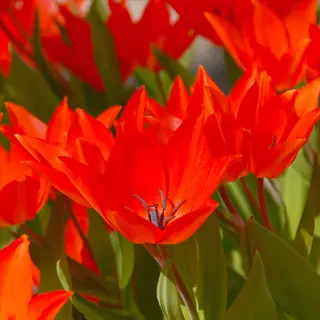
- Why grow them: Some larger species tulips naturalize and return reliably, extending the long-lived appeal of botanical types.
- Named cultivars: Look for T. linifolia and T. praestans 'Fusilier', which can carry several blooms per stem.
- Flower look: They bring bolder, brighter flowers than the smallest species while keeping that wild, natural charm.
- Longevity: Given good conditions they spread over time and come back for many years rather than fading after a few.
- Best use: Use them in naturalized areas and informal borders where they can settle in and multiply.
- Care note: Give them the same lean, well-drained soil and a dry summer rest that other species tulips prefer.
Mix two or three of these groups and you stretch your color across several weeks of spring instead of one quick flash. Pair your early Emperor types with later Darwin hybrids. Then tuck small species along your edges for the longest run you can get.
Buy these proven groups and your tulips earn their keep for years, not one season. Save the flashy parrot and fringed types for spots where you don't mind replanting, and let the returners do the heavy lifting.
Right Planting Depth and Soil
Ask 10 gardeners how deep to plant tulip bulbs and you'll hear the same number every time. Most guides hand you one rule and move on. The truth is that tulip planting depth is a trade-off, and the best depth depends on what you want from the bulb.
The standard rule is simple. You plant each bulb 2 to 3 times as deep as it is wide, or about 6 to 8 inches for a full-size tulip. Your soil shifts that number too. In sandy or light soil you go 1 to 2 inches deeper. In heavy clay you set the bulbs 1 to 2 inches shallower. These depth tips come from the extension at the University of Minnesota.
Why shift the depth for clay soil tulips? Dense, wet clay holds water around the bulb, and that trapped moisture can rot it. Going a touch shallower keeps the bulb drier. There's a catch on the other side too. Plant too shallow with no cover and you risk frost heaving, warns the University of Maryland Extension. Freeze and thaw cycles push the bulb up and out of the ground.
Here's where the new research comes in. Cornell's Flower Bulb Research Program ran landscape trials since 2009 in Zone 5 to 6 Ithaca, New York. They dug only 2 to 3 inch holes and topped the bulbs with 2 to 4 inches of mulch. This brings tulips back year after year far better than the deep method. Deep planting still gives you a strong first spring, but it cuts down how well the bulbs return.
So which way should you go? Think of it as one strong season versus years of return. Deep planting buys you sturdy stems and solid frost protection for a knockout first bloom. The shallow planting tulips method trades a little of that for bulbs that perennialize and come back. Pick the goal first, then the depth follows.
A lengthy series of landscape trials conducted since 2009 reveals the desirability of relatively shallow planting, followed by a mulch layer, for multi-year perennializing of tulips.
Choosing the Right Site
Where to plant tulips comes down to two things you can judge with your own eyes. The spot needs steady sun and dry feet, because those two conditions decide whether your bulbs thrive or rot in the ground. Think of the ideal site as sunny and never soggy, and you already know most of what matters.
Full sun tulips reward you with the strongest stems and the brightest color. The University of Maryland Extension says tulips need at least 5 to 6 hours of direct sun each day to bloom well. If you want bulbs to stay in the ground and come back for years, give them more, since beds meant to naturalize do best with 8 to 10 hours of daily light. That extra sun pairs well with the longer-lived varieties covered earlier.
Drainage matters just as much as light. The best soil for tulips drains fast and never holds standing water, which is where bulbs rot. You want well-drained soil for tulips that you have loosened and mixed with a little compost. Roots push down with ease, and water moves through instead of pooling. If your spot stays wet after rain, pick another one or build a raised bed.
One trap catches a lot of new growers. Soil against a south or west facing wall warms earlier in late winter, and that early warmth can push bloom too soon and expose tender buds to a hard frost. Plant in an open spot away from the foundation, or lay a 2 to 3 inch mulch layer to even out the temperature. Get the light and drainage right, and the rest of your tulip care gets a whole lot simpler.
Tulip Care After Blooming
"Those droopy leaves look messy, you should cut them back to tidy the bed," my neighbor said over the fence one May. I left my patch by the garden path alone and trimmed nothing. I tidied a second patch down the row to please him. The next spring my untouched bed came back strong and full, while the tidied patch sent up thin, sad stems. Those yellowing leaves were busy feeding the bulb the whole time.
I tested that hands-off habit on my own beds for years, and it holds up. Knowing what to do after tulips bloom sets up next year. Good aftercare lets your bulbs store energy and come back. Skip it and they wear themselves out in one season. This step ties straight back to the perennializing types you picked earlier. The routine has four parts that all share one goal.
The two that matter most for you are deadheading tulips and timing when to cut tulip foliage. Snip your spent flowers so the plant does not waste food on seed pods. Then leave your green leaves alone until they yellow on their own. If you want to lift and store bulbs, wait for that yellowing too, then keep your bulbs dry and cool until fall.
Deadhead Spent Flowers
- What to do: Snip off the faded flower head once petals drop so the plant does not pour energy into forming seed pods.
- Why it helps: Seed-pod formation drains stored food the bulb needs, so removing it keeps that energy in the bulb.
- Leave the stem: Cut only the flower, not the stem and leaves, since the green parts keep feeding the bulb.
Leave The Foliage
- What to do: Resist cutting the leaves after flowering until they yellow and begin to wither on their own.
- Why it helps: Green leaves produce the food that powers next year's growth, so removing them early weakens the bulb.
- Be patient: The fading weeks look untidy, but this is exactly when the bulb is restocking its energy reserves.
Feed And Water Lightly
- What to do: Keep the soil from drying out completely while leaves are green, and avoid soaking the bed once foliage fades.
- Why it helps: Active leaves still need moisture to build reserves, while a drier dormant period suits resting bulbs.
- Drainage first: Never let bulbs sit in standing water, which causes the rot that ends a tulip's run.
Lift Or Leave The Bulbs
- What to do: In suitable climates leave hardy bulbs in well-drained ground, or lift them after foliage yellows to store dry and cool.
- Why it helps: Lifting lets you inspect and divide crowded clumps, which can be done every 3 to 4 years to restore bloom.
- Either way: Whether you lift or leave them, the foliage must finish yellowing first so the bulb is fully fed.
Forcing Tulip Bulbs Indoors
Forcing tulip bulbs indoors lets you enjoy fresh blooms on your windowsill while snow still sits outside. You recreate winter inside a pot. You give the bulb the cold spell it would normally feel underground, and that fools it into flowering out of season for you.
Start by potting the bulbs in fall. Set 4 to 5 bulbs in a 5-inch pot, or 6 to 7 in a 6-inch pot. Face the flat side toward the wall and leave the noses poking above the soil. Water them well, and you're ready for the long cold rest that does all the real work.
Now for the part that matters most. Chilling tulip bulbs means holding your pots at 40 to 45 degrees Fahrenheit (4 to 7 degrees Celsius) in complete darkness. How long to chill tulip bulbs comes down to 12 to 16 weeks, says Iowa State University Extension. Water them on a regular schedule so they never dry out. A spare fridge or an unheated garage both work well for this.
Weeks 0 to 1
Pot bulbs with the flat side to the wall and noses exposed, water well, then move them into cold storage.
Weeks 1 to 16
Chill at 40 to 45 degrees Fahrenheit (4 to 7 degrees Celsius) in complete darkness for 12 to 16 weeks, watering regularly.
After cold storage
Move pots to a cool, low-light spot for about 4 to 5 days until shoots green up, then to a bright 60 to 70 degree room.
3 to 4 weeks later
Flowers open on average 3 to 4 weeks after removal from cold storage; most forced tulips are then discarded.
Once your cold spell ends, move the pots into a cool, dim spot for about 4 to 5 days until the shoots green up. Then shift them to a bright room around 60 to 70 degrees. Your flowers open on average 3 to 4 weeks after you pull them from cold storage, so you can almost set a calendar by it.
Want blooms all winter instead of one big flush? Pull your pots from the fridge in waves. Take one out every 2 weeks, and the flowers open in succession rather than all at once. This is the simplest way to grow tulips in pots indoors for a steady supply on your table.
One honest catch you should plan for. Forced bulbs spend everything they have on that single show, so most will not rebloom outdoors and you toss them once the petals drop. Treat them as a one-time gift, buy fresh bulbs each fall, and your indoor display stays easy and reliable.
Keeping Pets Safe From Tulips
If you share your home with a dog or cat, you have probably wondered about tulip toxicity before you plant a single bulb. The honest answer is yes, tulips can harm your pets, but the real risk is smaller and more specific than most worried owners expect. A little planning takes care of almost all of it.
The ASPCA lists tulips as toxic to dogs, cats, and horses. The harmful compounds are tulipalin A and B, and they sit in highest concentration inside the bulb. So if you are asking are tulips poisonous to dogs or whether tulips toxic to cats is a real concern, the answer is yes. Common signs of trouble include vomiting, drooling, diarrhea, and a tired, depressed mood.
Here is the part that should ease your mind. The worst cases come from a pet eating multiple bulbs at once. Think of a dog that digs up a fresh planting or rips into a bag of bulbs left on the garage floor. A cat brushing past an open bloom is not the danger. The bulb is, so storage and planting spots matter most of all.
Keep unplanted tulip bulbs sealed and out of reach, and plant where pets do not dig. If you suspect a pet ate bulbs, contact a vet or ASPCA Animal Poison Control at 888-426-4435.
Good pet-safe gardening comes down to two simple habits. Keep your unplanted bulbs sealed in a bin your dog cannot reach, and tuck your tulips into a bed where your pets do not love to dig. Do that, and you can enjoy a full spring display without losing any sleep over your animals.
5 Common Myths
Tulip bulbs must always be planted 6 to 8 inches deep, and planting any shallower than that will ruin the blooms.
Cornell landscape trials show shallow planting of 2 to 3 inches topped with mulch actually perennializes tulips better than deep planting.
Tulips are true perennials, so once you plant the bulbs they will reliably return and bloom every spring for many years.
Most modern cultivars bloom well for only 3 or 4 years. Only species and select hybrids like Darwin types truly perennialize.
You should cut tulip leaves down right after the flowers fade so the bed looks tidy and neat through the rest of the season.
Leave foliage until it yellows and withers. Green leaves produce the food the bulb stores to power next year's growth.
Tulip bulbs are completely harmless plants, so there is no reason to worry about curious dogs or cats around them.
Tulips are toxic to dogs, cats, and horses. The bulb holds the highest toxin level and can cause vomiting and drooling.
Tulips can only bloom outdoors in spring, so there is no way to enjoy their flowers indoors during the winter months.
You can force tulips indoors by chilling bulbs at 40 to 45 degrees Fahrenheit for 12 to 16 weeks for winter blooms.
Conclusion
To close, the whole guide runs on three habits you now know well. Plant your tulip bulbs in fall, pick varieties that come back, and set each bulb at the depth that matches your goal. Get that strong trio right and the rest of the year takes care of itself.
Let the standout data point land last. Most modern cultivars bloom well for only 3 or 4 years before they fade. But perennial tulips keep coming back. Darwin hybrids, Fosteriana types, and species tulips return year after year when you plant and feed them right. That one fact should shape almost every choice you make at the store.
Here is the plain takeaway. The shallow-plus-mulch method from Cornell turns a one-season show into a yearly one. Dig a 2 to 3 inch hole, top it with a few inches of mulch, and let the leaves yellow before you cut them. That spent foliage feeds next spring's bloom, so good tulip care really is that simple.
One small habit rounds it out. Store any leftover bulbs in a spot your dog or cat can't reach, since the bulb holds the most toxin. That keeps the whole plan both rewarding and safe. So picture the bulbs you tuck in this fall, sitting quiet through the cold until one mild morning the first green tips push through. A few weeks later your beds run red, pink, and gold, and planting tulips this way means you watch it happen again next spring.
Glossary
- Darwin hybrid tulips
- A group of large, sturdy hybrid tulips known for being the longest-blooming and most reliable to return.
- deadhead
- To remove faded flowers so the plant does not waste energy forming seeds.
- Fosteriana tulips
- Early-blooming tulips, often sold as Emperor tulips, that come back reliably for several years.
- frost heaving
- When repeated freezing and thawing pushes shallow bulbs up out of the soil.
- naturalize
- To spread and multiply on their own, returning each year as if growing in the wild.
- offset bulbs
- Small new bulbs that form beside the parent bulb and can grow into separate plants.
- perennialize
- To return and bloom for several years instead of dying after one season.
- species tulips
- Wild or botanical tulips that are the longest-lived type and can naturalize and spread over time.
External Sources
Frequently Asked Questions
Can I leave tulip bulbs in the ground all year?
Yes, in suitable climates hardy tulip bulbs can stay in well-drained ground year round, though many gardeners lift and store them.
Do tulip bulbs multiply every year?
Tulips form small offset bulbs, but most modern hybrids weaken instead of multiplying. Species tulips multiply and naturalize best.
How long do tulip bulbs last?
Most modern tulip cultivars bloom well for only 3 or 4 years. Species and Darwin hybrid tulips can last considerably longer.
What is the best month to plant tulips?
Fall, usually October, is best in most regions. In cold climates plant from mid-September to mid-October before the ground freezes.
Can I plant tulips in pots in October?
Yes, October is a good time to pot tulip bulbs. Containers still need a cold period to trigger spring flowering.
What do you do with tulip bulbs after they bloom?
Deadhead spent flowers, leave the foliage until it yellows, and let the leaves feed the bulb for next year's growth.
What are the easiest tulips to grow?
Darwin hybrids, Fosteriana (Emperor) types, and species tulips are the easiest and most reliable tulips for beginners.
Are tulip bulbs poisonous to dogs and cats?
Yes, tulips are toxic to dogs, cats, and horses. The bulb holds the highest concentration of the toxic compounds.
How deep should you plant tulip bulbs?
The traditional rule is 6 to 8 inches deep, but Cornell research favors shallow holes topped with mulch for return blooms.
Do tulips like cold or warm water as cut flowers?
Cut tulips do best in cold water. Cold water slows opening and helps the stems stay firm and upright longer.