
Introduction
One cool morning in early fall, a patch of bare soil sprouts tall red blooms that were not there the day before. No leaves, no buds, no warning. The red spider lily rises on naked stems almost overnight. That vanishing act is your first clue that this is no ordinary garden flower.
The plant is Lycoris radiata, a fall blooming bulb that throws up its flowers from late August through September. The blooms ride on leafless scapes that reach 1 to 2 feet (30 to 60 cm) tall, and the green leaves only show up later, after the petals fade. It is hardy across USDA Zones 6 to 10, which covers most of the South and a good slice of the country. People also call it the hurricane lily, because it tends to pop up after the heavy rains of late summer.
Here is the strange part. The flowers and the leaves of this plant never share the stage. The blooms come first on bare stems, then die back, and only then do the leaves arrive. That single quirk of biology sits at the heart of everything else about this plant. It explains why gardeners call it the naked lily, and it explains the old legend of lovers who are doomed to never meet.
Most pages pick one side and stop there. Care guides tell you how to plant the bulbs and skip what the flower means. Meaning guides explain why Japan ties it to death and farewell, where it is called higanbana, yet never tell you how to grow it. This guide links all three: the biology, the care, and the symbolism. The same bulb is a tough Southern heirloom that an owner can plant and forget, and a flower of goodbye half a world away. Captain William Roberts carried just 3 bulbs home to the United States in 1854, and from that tiny start, you can grow your own.
Red Spider Lily Plant Profile
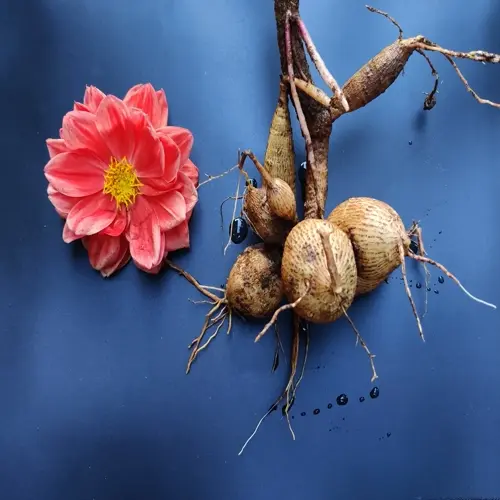
The red spider lily earns its name from the bloom itself. Each flower pushes out long, thin stamens that arch and splay like the legs of a spider. The petals curl back into tight, reflexed lobes, so the whole umbel looks like a cluster of red spiders frozen mid-step on a bare green stem.
Botanists know this plant as Lycoris radiata. The genus name honors Lycoris, a Roman actress who was once the mistress of Mark Antony. The second word, radiata, is Latin for spoke. It fits well, since the tepals spread out from the center like the spokes of a wheel. The plant grows 1 to 2 feet (30 to 60 cm) tall and is native to China, Japan, Korea, and Nepal.
Few garden plants carry this many nicknames. You may hear it called the hurricane lily because it blooms in late summer after heavy rains. Others know it as the equinox flower, since the blooms appear right around the autumnal equinox. Gardeners also call it the naked lily or the surprise lily. Both names point to the same odd habit. The bare scapes shoot up and flower with no leaves in sight, so the color seems to arrive out of nowhere.
Look closer and you find an umbel of 4 to 7 coral-red blooms crowning each leafless scape. The lobes reflex hard and the stamens flare well past the petals, which is where that spider look comes from. It is a striking effect that few fall bulbs can match.
One quirk shapes how this plant spreads. The common red form is a sterile triploid, so it sets no seed at all. New plants come only from bulb division, which is why spider lily bulbs of named clones like 'Fire Engine' and 'Red Sunset' stay so true to type. Keep in mind that it is an amaryllis relative, not a true Lilium. It behaves like a fall bulb, not a summer garden lily.
Once established, it can be left for years with minimal care.
How to Plant and Grow
I tucked a small clump into a bed of liriope along the back fence path, and for three autumns that spot gave me nothing but green strap leaves and bare dirt. The fourth September I walked past with the dog and stopped cold. Three bare scapes stood there, red and dripping, in the exact spot I had nearly dug up twice. The bulbs had settled on their own schedule, not mine.
That wait shapes how to plant red spider lily the right way. Get your spot and your depth correct once, then leave it alone. The plant does the rest on its own clock, and fussing with a new planting only sets you back.
Set your red spider lily bulbs in the ground in late summer or early fall, before the leafless scapes shoot up. Pick a bed with well-draining soil, since the bulbs sit at the surface and rot fast in soggy ground. Your soil can be acidic, neutral, or alkaline, so you rarely need to amend it. If you are holding loose bulbs before they go in, store them at 45 to 55°F (7 to 13°C).
The light is where most people slip. Your plant blooms best in partial shade or with at least 4 hours of full sun a day. A spot under deciduous trees works well. The bare branches let winter sun reach the foliage, then the summer canopy throws dappled shade over the resting bulbs.
Your planting depth matters more than anything else here. These bulbs are surface lovers, so set each one with the neck and shoulders just above your soil line. Space them 6 to 12 inches (15 to 30 cm) apart so your clump has room to multiply over the years.
Choose a well-draining bed with partial shade or at least 4 hours of sun; under deciduous trees works well so the winter foliage still gets light.
Plant each bulb so the neck and shoulders sit just above the soil line rather than buried deep, which suits this surface-loving bulb.
Place bulbs 6 to 12 inches (15 to 30 cm) apart so the clump has room to naturalize and multiply over the years.
Water once to settle the soil, then leave the planting undisturbed; expect foliage first and blooms only after the bulbs establish.
Do not bury the bulbs deep like tulips. Red spider lily bulbs prefer their necks exposed at the surface, and planting them too low is a frequent reason they refuse to bloom.
Set your patience now too. It takes several years for a fresh planting to settle in and bloom on a steady schedule. The first year or two may bring only leaves, or nothing at all above ground, and that is normal. Leave the bulbs be, and they will reward you once they are good and ready.
Care, Bloom Cycle, and Why
Most flowers bloom with their leaves. The red spider lily breaks that rule and that is what makes it stick in your memory. The bare scapes shoot up first and open into coral-red flowers, which is why people call it the naked lily. Only then do the leaves arrive. The flowers and the leaves never share the stem. So this plant carries a quiet farewell meaning across Japan and Korea, where people read it as two lovers who can never meet.
One spring I cut the yellowing leaves back early to tidy the liriope bed by the back fence. The strappy foliage looked messy and half-dead, so I pulled out the shears. That next fall I got a thin, sad bloom time with only a couple of scapes from a clump that usually flooded the bed with red. The year after, I left the dying leaves alone and the same clump threw up a full flush of flowers.
Those fading leaves are not waste. They feed the bulb. The foliage die-back in spring is the plant pushing stored energy down into the bulb so it can rest through summer and bloom again. That is why red spider lily care is so light once the plant settles in. This is a low maintenance bulb that needs little water and little feeding. You leave it alone and it pays you back every fall.
Late August to September
Bare flower scapes shoot up almost overnight, often after heavy rain, and open into coral-red umbels with no leaves in sight.
October
Once the flowers fade, narrow strap-like leaves emerge and begin gathering energy for the bulb.
Winter
The foliage stays green and evergreen through the cold months, quietly photosynthesizing while most plants are dormant.
Spring
Leaves yellow and die back naturally, sending stored energy down into the bulb before it rests through summer.
Meaning and Cultural Symbolism
Few garden plants carry as much story as this one. The red spider lily meaning runs deep across East Asia, and it shifts as you cross from Japan to Korea to China. Each culture reads the same blood-red bloom in its own way. So the meaning you find depends on where you stand, and the symbolism is richer than any single country can hold.
In Japan the flower is the higanbana. The name ties it to higan, the week around the autumn equinox. That is when families honor the dead. Its Buddhist name is manjushage, and old stories link it to guiding souls toward the afterlife. You will find it planted near graves and along the edges of rice paddies. That habit is part of why the red spider lily symbolism leans toward farewell and goodbyes.
This graveyard habit gave the bloom its name as a flower of death. But that reading is folklore, not biology. Korea softens it into longing for a love kept apart. China reads it as parting and the line between this world and the next. The breakdown below lays out each meaning so you can see them side by side. It also shows why this farewell flower still pops up in modern anime.
Japan: Higanbana and Farewell
- Equinox tie: The name higanbana links the flower to higan, the autumn equinox period when families honor the dead.
- Buddhist name: As manjushage it appears in Buddhist tradition as a flower associated with guiding souls and the afterlife.
- Common reading: Tradition treats it as a flower of farewell and final goodbyes, which is why it is planted near graves and rarely given as a happy gift.
Korea: Longing That Cannot Be Fulfilled
- Love apart: Korean tradition reads the flower as longing and love between people who are kept apart and may never reunite.
- Separation theme: This meaning mirrors the plant's habit of never showing leaves and flowers together, reinforcing the idea of two parts that never meet.
- Cultural mood: The feeling is bittersweet rather than purely grim, leaning toward yearning more than death.
China: Parting and the Other Side
- Parting flower: Chinese tradition associates the bloom with separation and the boundary between this life and the next.
- Old roots: The plant reached Japan from China around 700 AD, carrying its symbolic weight along with it (per UA Extension).
- Everyday name: It is also known plainly in China by a garlic-related common name reflecting the look of its bulb.
Modern Pop Culture
- Anime signal: Series like Tokyo Ghoul use fields of red spider lilies to mark moments of transformation or no return.
- Demon Slayer: The blue spider lily is a central, fictional plot device that borrows the flower's mysterious, otherworldly reputation.
- Why it sticks: These appearances keep the death-and-threshold symbolism familiar to a young global audience well beyond Asia.
Treat the death and farewell symbolism as cultural tradition and folklore, not botanical fact. The flower is beautiful and meaningful, but the meanings come from human storytelling, not from the plant itself.
Toxicity and Medicinal Science
So are red spider lilies poisonous? Yes, and every part of the plant carries the same culprit. The toxin is an alkaloid called lycorine, and it sits in the leaves, the scapes, and the bulbs, with the bulb holding the most.
Eat any of it and your body pushes back fast. Lycorine triggers vomiting, diarrhea, and stomach pain, and a large dose can bring on convulsions. Most safety experts still rate red spider lily toxicity as low, but low does not mean safe. Keep the bulbs away from kids, dogs, and cats, because none of them should chew on this plant.
Now for the twist. The same toxin that warns you off has a second life in the lab, and the story runs from poison straight into medicine.
- All parts contain lycorine, with the bulb the most concentrated.
- Eating it can cause vomiting, diarrhea, abdominal pain, and salivation.
- Rated low toxicity, but unsafe for children, dogs, and cats to eat.
- The same toxin makes the plant resistant to deer and rodents.
- Galantamine from Lycoris is FDA-approved for mild-to-moderate Alzheimer's.
- Research has identified 636 distinct alkaloids across Lycoris species.
- Lycorine shows antitumor and antiviral activity in laboratory studies.
- Less than 0.1% of the plant is galantamine, so it is studied, not chewed.
Current research has identified 636 distinct alkaloids from Lycoris species, with complete structural elucidation achieved for more than 100 compounds.
How far does the science go? One study used worms to model Alzheimer's. Lycoris compounds slowed the damage at a dose 1,000 times lower than the drug memantine. Lycorine also fights tumors and viruses in lab tests. But it stays in the lab, never on your plate.
Back in the garden, that same lycorine works in your favor. The bitter, toxic bulb makes the plant deer resistant and rodent resistant, so the trait that warns you off also guards the bulbs underground. You get a flower that animals leave alone and a chemistry that scientists keep chasing.
5 Common Myths
The red spider lily is a true lily, closely related to garden Asiatic and Oriental lilies in the genus Lilium.
It is actually in the amaryllis family (Amaryllidaceae) as Lycoris radiata, not a true Lilium, despite the common name lily.
Simply touching a red spider lily will poison you or burn your skin on contact, so the plant is dangerous to handle.
Touching the flower or leaves is generally safe. The toxin lycorine is harmful when eaten, especially the bulb, so the real rule is to wash hands and never ingest it.
Red spider lilies are so deadly that the corpse flower nickname means they were used to actually kill or poison people in the past.
The nickname comes from planting them over graves, where the toxic bulbs deterred rodents. It is rated low toxicity, not a tool for poisoning people.
Red spider lilies grow from seed like most flowers, so you can collect their seeds in fall and sow a new patch next spring.
The common red form is a sterile triploid and sets no viable seed. It spreads only by bulb division and offsets, never by seed.
If a newly planted red spider lily fails to flower in its first year, the bulb is dead or defective and should be dug up and replaced.
It is normal for them to skip blooming for a few years after planting while they establish. Left undisturbed, they bloom reliably once settled in.
Conclusion
The red spider lily lives a double life. It is one of the easiest fall bulbs you can plant, and it carries centuries of meaning about death, farewell, and lovers who never meet. Both halves come from the same odd trait. The flowers and leaves never share the stem. That bare bloom is what makes Lycoris radiata such a low effort plant, and it is also the root of its oldest legends.
The practical side stays simple. This fall blooming bulb is hardy in USDA Zones 6 to 10. It sends up bare scapes in late August to September before any foliage shows. Plant the bulbs with the neck left above the soil, and space them 6 to 12 inches (15 to 30 cm) apart. Then let the leaves die back on their own each spring. That last step feeds the bulb for next year's show.
This is a low maintenance plant that pays you back for patience. The first few years can look like nothing is happening. But once it settles in, you can leave it alone for a long time. Over the years the bulbs divide and naturalize into a wider drift. That turns 3 bulbs into a true Southern heirloom that outlives the gardener who planted it.
Every September a stripe of coral red now runs along the back fence path outside my kitchen window. I planted that row of bulbs three falls back. For two years the bed showed only the green blades of a liriope edging and a few necks I had half forgotten. Then one rainy week the scapes shot up overnight. Now the whole path glows red the same morning I pour my first cup of coffee.
Glossary
- fall blooming bulb
- A bulb plant that flowers in autumn instead of spring, sending up blooms in late summer or early fall.
- Galantamine
- An alkaloid from Lycoris plants that is FDA-approved as a drug to treat mild-to-moderate Alzheimer's disease.
- Higanbana
- The Japanese name for the red spider lily, linking it to the autumn equinox period of honoring the dead.
- Lycorine
- A toxic alkaloid found in all parts of the red spider lily that causes nausea and vomiting if the plant is eaten.
- Naturalize
- To spread and multiply on its own over the years, forming larger drifts, as red spider lily bulbs do.
- Scape
- The bare, leafless flower stalk that rises from the bulb and carries the red spider lily's blooms.
- Triploid
- A plant with three sets of chromosomes, which makes the common red spider lily sterile so it cannot produce seeds.
- Umbel
- A flower cluster in which several blooms spread out from a single point at the top of the stalk like spokes.
External Sources
Frequently Asked Questions
Is it okay to touch a red spider lily?
Touching the flower or foliage is generally safe. The danger is from eating any part, especially the bulb, which contains lycorine. Wash your hands after handling cut stems or bulbs.
How poisonous is a red spider lily?
It is classified as low toxicity but still poisonous if eaten. The bulbs hold the most lycorine, which can cause:
- Nausea and vomiting
- Abdominal pain and diarrhea
- Salivation and, in large doses, convulsions
What does it mean if someone gives you a red spider lily?
Because of its strong link to death and farewell in Japanese and Korean culture, it usually signals goodbye, loss, or that two people may never meet again. It is rarely a romantic gift.
What is the red spider lily called in Japanese?
It is most often called higanbana, which ties it to the autumn equinox (higan) and Buddhist remembrance. It is also called manjushage in Buddhist tradition.
Why are red spider lilies called corpse flowers?
The nickname comes from the old practice of planting them around graves and rice paddies, partly because the toxic bulbs deterred rodents and pests from disturbing the dead.
When do red spider lilies bloom?
They bloom in late summer to early fall, usually late August through September, often right after heavy rains. The flowers rise on bare scapes before any leaves appear.
Do red spider lilies come back every year?
Yes. They are perennial bulbs that return for many years and slowly multiply by bulb division. New plantings may take a few years to settle in before they bloom well.
Are red spider lilies poisonous to dogs and cats?
Yes. Every part contains lycorine, and the bulbs are the most toxic. If a dog or cat eats them, watch for:
- Drooling and vomiting
- Diarrhea and belly pain
- Lethargy, and contact a vet promptly
Is galantamine made from the red spider lily?
Galantamine, an FDA-approved drug for mild-to-moderate Alzheimer's disease, is one of the alkaloids found in Lycoris plants, including Lycoris radiata. The plant holds less than 0.1% galantamine.
Why do red spider lilies bloom without leaves?
The bulb sends up a bare flower scape in early fall, then grows leaves only after the blooms fade. Flowers and foliage are almost never seen together, which is why it is called the naked or surprise lily.