
A red drift along my back fence has come back wider and brighter every September for the past six years. I watch it from the kitchen window each fall, and the band of blooms now stretches almost twice as far as the day I planted it. The red spider lily perennial clumps in that bed prove the point on their own. Yes, these bulbs come back every single year, and they return for decades once they settle in. So if you plant a few this fall, you can expect the same payoff in your own yard.
The first few seasons looked nothing like that. I tucked the bulbs in one autumn and got only a few thin green leaves, no flowers at all. The same quiet show repeated the next year, and I almost dug the whole row out. You may hit the same slow start in your own bed. People assume a quiet bulb has failed, but a young red spider lily come back the moment its roots grow strong enough. By year three the first scapes pushed up, and each fall after that brought more. So give yours a chance before you write them off.
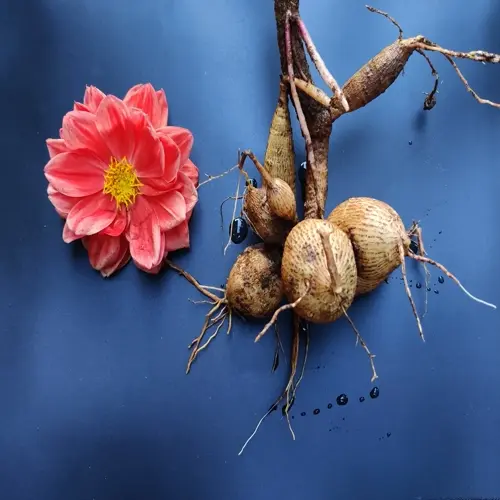
Here is the part that surprises most gardeners. The common red form is a sterile triploid, which means it sets no seed at all. It cannot make new plants from flowers the way other bulbs do. Instead the bulb splits underground and grows small offsets around its base. Those offsets turn into new bulbs, and each new bulb sends up its own scape. The University of Arkansas Extension is clear on this point. Division is the only way the plant spreads, so your patch can only grow outward from the bulbs already in the ground.
That single trait shapes how your patch behaves over time. Because no seed scatters on the wind, the lilies stay put and thicken in place rather than popping up all over the yard. Each parent bulb makes a few offsets, those offsets make their own, and a thin starter line slowly fills into a solid band. Naturalizing spider lily bulbs work on their own clock. The show gets better the longer you leave them alone, which is rare and welcome in a garden.
You can count on them to return across USDA Zones 6 to 10, which covers most of the South and a good stretch of the Mid-Atlantic. The yearly rhythm is a little odd, and it helps to know it before you worry. Flowers open on bare scapes in late summer. Then strappy green leaves push up and stay through winter, soaking up sun while the rest of your garden sleeps. The leaves yellow and die back in warm spring weather. After that the bulb rests through summer before the next round of blooms.
Caring for a returning patch is mostly about patience on your part. Leave the bulbs undisturbed so the offsets can build into a real drift over a few seasons. Never cut the green foliage while it is still healthy, because those leaves feed the bulb for next fall's flowers. Let it yellow and fade on its own time. You should only dig and split a clump once it gets so crowded that the blooms thin out, and that usually takes four or five years of steady growth.
When that day comes, lift the clump in early summer after the leaves fade. Pull the offsets apart by hand. Replant them right away with the bulb necks just above the soil. Space them about six inches apart so each one has room to fatten up. Give them decent drainage and a spot that gets good light, and they ask for almost nothing else from you. No yearly replanting, no fussing, no babysitting. Plant them once, let them die back on their own each spring, and your fence line will hand you a wider red ribbon every September for years to come.
Read the full article: Red Spider Lily: Care, Meaning, and Facts