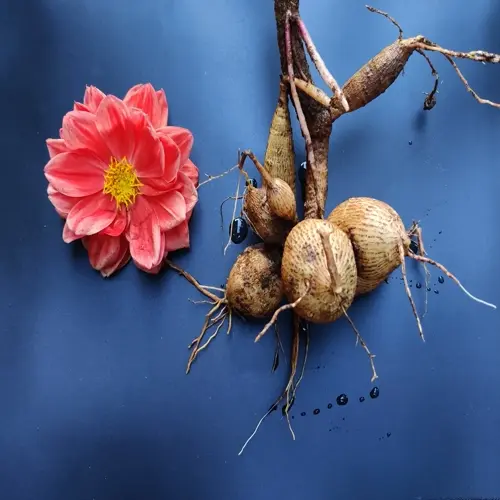

A red spider lily is poisonous if you eat it. The official red spider lily toxicity rating, though, is low. The plant will not hurt you by sitting in your garden or by a quick touch. The trouble starts only when a person or an animal swallows part of it. So you can grow it near a patio and enjoy the blooms without fear, as long as no one takes a bite.
The danger hides in the fat underground bulb, not in the showy red flower above. That bulb holds the most poison of any part. It is also the very piece gardeners dig up and handle each fall. So the riskiest bit is the one you are most likely to have in your bare hands during planting and dividing. People see the bright red blooms and assume the petals are the threat. The truth runs the other way.
This matters because of how the plant grows. Red spider lilies spread by multiplying their bulbs underground, so you have to dig and split them every few years to keep the clumps healthy. Each time you do that, you pull the most toxic part right up to the surface. A loose bulb left on the lawn or the deck is exactly the kind of thing a curious dog or toddler grabs.
Every part of the plant carries an alkaloid called lycorine. The bulb has the highest concentration, while the leaves, stems, and petals hold smaller amounts. NC State Extension and UF/IFAS both list this plant as toxic, and they tie the harm to eating it rather than touching it. So are red spider lilies poisonous to chew on? Yes, and the bulb is the worst offender.
Lycorine upsets the stomach and gut once it goes down. The body reacts by trying to push the poison back out. That is why vomiting and diarrhea show up first. A small nibble tends to cause mild trouble, while a large dose can turn serious. The amount eaten and the size of the person or pet both shape how bad it gets. A 10-pound dog reacts to a far smaller dose than a grown adult would. Here is what lycorine poisoning looks like after someone eats part of the plant.
Most cases stay mild because the bad taste and burning make people spit it out fast. The plant fights back with a sharp, acrid bite that few would chew through on purpose. The real worry is a large amount eaten by a child or a pet who does not know to stop. In big doses the alkaloid can lead to convulsions. That makes a heavy exposure a medical event, not a wait-and-see one. Symptoms can start within a couple of hours, so you should not put off a call to get help.
Keep the rule simple. Do not eat any part of a red spider lily, and do not let anyone treat the bulbs as wild onions or shallots. They look close enough to fool a hungry forager, and that mix-up is how most poisonings happen. Store dug-up bulbs in a sealed bag, well out of reach of kids and pets.
Wash your hands after you handle the bulbs, and wear gloves if your skin is broken or sensitive. If you think someone has eaten any part, call Poison Control at 1-800-222-1222 right away. For a dog or cat, call your vet or the ASPCA poison line instead. Quick action keeps a low-toxicity plant from turning into a bad night.
Read the full article: Red Spider Lily: Care, Meaning, and Facts