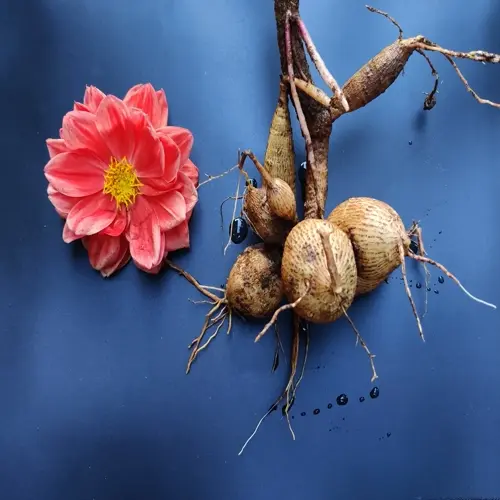

Yes, red spider lilies are toxic to dogs and cats if a pet eats any part of the plant. Good red spider lily pet safety comes down to one fact. Every leaf, stem, flower, and bulb holds a poison called lycorine, and a pet that swallows enough will get sick.
The buried bulbs are the real hazard, not the bright red blooms up top. A curious dog digging in a fresh fall planting can reach the most poisonous part of the whole plant. That makes red spider lily toxic to dogs more than a leaf-nibbling worry. The bulb packs the highest dose, and a dog that loves to dig goes straight for it.
Here is the science. Lycorine is a natural toxin. It shows up in the whole lily group that red spider lily comes from. NC State Extension and UF/IFAS both list every part of this plant as toxic. The bulb holds the most, the leaves and flowers hold less. When a pet eats any of it, the lycorine irritates the gut and sets off the body's response within a few hours.
How sick a pet gets depends on a few things. The amount eaten matters most, and so does which part. A bite of leaf is a far smaller dose than a swallowed bulb. Body size counts too. A 10-pound dog reacts to much less than a 70-pound one, and the same goes for a small cat against a big one. Age and health round it out, since a senior pet has less reserve to spare.
The same risk makes spider lily poisonous to cats, though cats often get a smaller dose. A cat is less likely to dig up a bulb than a dog. But a cat that chews a fallen leaf or bats a cut stem off a table can still swallow enough to feel it. Kittens and small cats react to less, so even a little matters.
Most cases stay mild and clear up once the plant is out of the system. The gut empties, the drooling stops, and the pet bounces back over a day or two. But a large bulb dose can hit harder and last longer, so do not wait to see how bad it gets. A small pet, a senior, or one with other health issues has less room to spare and can slide downhill fast.
The good news is that you can keep these flowers and skip the danger with a few smart moves. The whole goal is to put space between your pet and the plant, above all the bulbs hidden in the soil. A short fence, a raised bed, or a thorny border does the job. Think about where your dog likes to dig, then plant somewhere else.
- Choose the spot: Put bulbs in a fenced bed or a raised area your pet cannot reach or dig into.
- Bury deep: Set bulbs at the full depth the package lists so loose surface soil does not show a tempting clue.
- Guard new beds: Watch fresh plantings for the first week, since dug soil is what draws a curious dog most.
- Rake up dropped leaves and spent blooms before a pet finds them on the ground.
- Toss cut stems and pulled bulbs in a closed bin, never on the open compost pile.
Keep an eye on cats too, even indoors. A cut stem in a vase or a leaf that drops off a bouquet is enough to tempt a chewer. Set arrangements where a cat cannot jump, and clear any fallen bits the same day. Cats hide trouble well, so do not count on yours to leave a strange plant alone.
If you think your pet ate any part, call your vet right away or reach the ASPCA Animal Poison Control Center at (888) 426-4435. Be ready to say how much the pet likely ate, which part, and when it happened. Snap a photo of the plant if you can. Quick action keeps a mild upset from turning into a long, rough night for both of you.
Read the full article: Red Spider Lily: Care, Meaning, and Facts