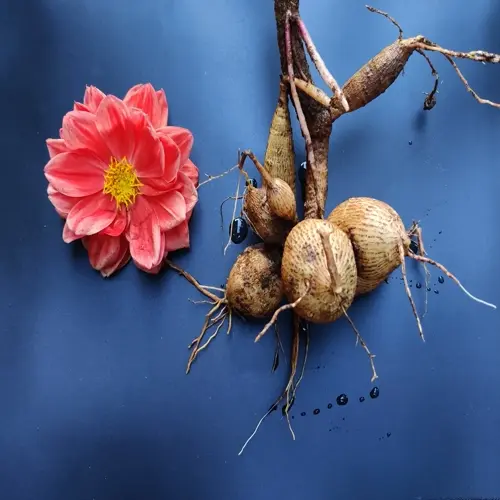

Yes. The galantamine red spider lily link is real, and it surprises most gardeners. The same toxic bulb you are warned never to eat is also the source of a real, prescribed Alzheimer's drug. Galantamine is an alkaloid found in Lycoris plants. That includes the red spider lily, known to botanists as Lycoris radiata.
Think about that for a moment. People plant this flower to keep rats and pests away from rice fields. Yet the same bulb holds a compound your doctor can prescribe. The poison and the medicine live in one plant. That is what makes the Lycoris Alzheimer drug story so strange and so true. You see a garden flower, and a chemist sees raw material.
So how does the drug help the brain? The FDA has approved it. Doctors use it to treat mild and moderate Alzheimer's. It works as a reversible blocker. It slows the enzyme that breaks down a brain chemical called acetylcholine. Your brain uses that chemical to pass signals. When more of it stays in place, memory and focus can hold steady for longer. You can read the science in Frontiers in Plant Science (2025) and PLOS ONE (2013).
Here is where people get it wrong. You hear the drug comes from a garden plant. So you guess you can brew it at home. You cannot, and you must never try. The numbers below show you why that idea fails.
Lycoris plants are full of chemistry. Across the whole group, scientists have found 636 different alkaloids. Galantamine is just one of them, and it sits in tiny amounts. The red spider lily holds less than 0.1% galantamine by weight. So you cannot just pull the drug out of a backyard flower. As a galantamine source plant, the bulb matters to research. But the yield is far too low for any home method to work.
The other alkaloids in the bulb are the danger. Lycorine and its cousins make the plant poisonous. Eat the bulb and you can face vomiting, drowsiness, and worse. The toxic load hits you first. It comes long before you reach any useful dose of the drug. That is why the plant stays a warning in the garden, not a home remedy you can trust.
The red spider lily is not the only plant that holds this drug. Snowdrops and daffodils carry it too, and they share the same plant family. For a long time, drug makers pulled small amounts from bulbs like these. The work was slow and the cost was high. A field of flowers gave only a thin trace of the compound, so the price stayed steep for years.
That is why so much of the drug now comes from a lab. Chemists found a way to build galantamine step by step. This gives you a steady supply and a clean, exact dose every time. The plant still guides the science, and researchers keep studying it. But the pill in the bottle is a careful copy, not a crushed bulb from someone's yard.
Real galantamine is made and dosed under tight medical control. It comes in measured tablets and slow-release capsules. A doctor sets the dose for each patient. The drug is built in a lab and refined with care, not by crushing your flowers. That precision is the point. Too much can hurt your heart and your stomach, so the dose must be exact.
So the short answer holds up well. The galantamine red spider lily link is genuine. It shows you how a feared plant can lead to a helping medicine. But never self-medicate with the bulb. Keep it in the soil where it belongs. Leave the dosing to a pharmacist and a real prescription. The flower stays lovely, useful to science, and still very much poisonous.
Read the full article: Red Spider Lily: Care, Meaning, and Facts