
The red spider lily corpse flower nickname comes from one old habit: people planted these blooms around graves. The bulbs hold a natural poison, and that poison kept burrowing animals away from the dead. Over many years, a flower tied to burial grounds picked up a dark name.
Picture an old Japanese village in early fall. The rice paddies stand ready for harvest, and a band of fiery red blooms rings each field edge. Walk to the village cemetery and you see the same sight. A red spider lily graveyard border was a common, almost expected thing. The flowers were not there by accident.
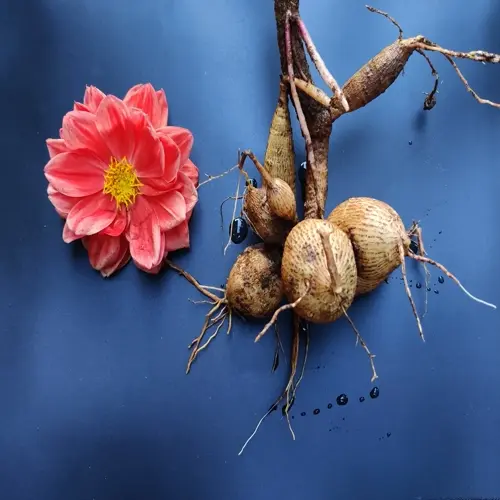
The reason sits in the bulb. Red spider lilies hold a toxin called lycorine, and it makes the bulbs bitter and unsafe for animals to eat. Moles, mice, and other diggers learned to leave them alone. So farmers and villagers used the plant as a living fence. A ring of bulbs around a grave kept rodents from tunneling toward a buried body, and the same ring around a paddy kept pests off the crop.
That practical job shaped the folklore. A flower you saw most at the edge of the dead became a marker of death itself. The flower of death meaning grew from real planting history. It did not come from any spooky trait of the bloom. In Japan you may hear these flowers called higanbana. The name points to the autumn equinox week. That is when families visit and clean their graves. So the bloom and the season of the dead became one idea in people's minds.
You can see how the story built up step by step. First came a real chore: keep pests off the dead and off the rice. Then came the place: graves and field edges, where you would spot the red blooms most. Then came the timing: a fall flower that opened just as families gathered to honor the dead. Stack those three things together and you get a plant wrapped in death lore. None of it means the flower itself is harmful to look at or sit near.
Here is where people mix up two very different plants. The giant corpse flower you read about in the news is Amorphophallus titanum, the titan arum. That one earns its name with a real stench. It puts out a smell like rotting flesh to draw flies for pollination, and a single bloom can stand taller than you. A red spider lily does none of that. It tops out around 18 inches, and it has a faint, mild scent at most. The corpse flower tag on the lily is pure folklore from where it grew. It has nothing to do with how the flower smells.
So when you read about a corpse flower, check which plant you are looking at. If you see a tall, single, ribbed spike that draws a crowd at a botanical garden, that is the titan arum. If you see a slim red flower with long, curling petals on a thin green stem, that is your red spider lily. The two share a creepy name and share nothing else.
So is it safe to grow at home? Yes. The red spider lily is a fine ornamental, and gardeners plant it for the bright red blooms that pop up on bare stems in fall. The dark name carries history and old stories, not danger, and the flower gives off no smell that would bother you.
The morbid name reflects burial-ground planting and folklore, not any odor or threat. Wash your hands after you handle the bulbs and keep them away from pets, the same basic care you give any toxic bulb in the garden.
Plant the bulbs about 4 inches deep in a spot with afternoon shade, and water them well after the summer heat fades. They thrive on a little neglect, and a single clump can bloom for decades with almost no fuss. The dark name stays with the flower, but the plant in your yard is just a tough, striking bloom with a long story behind it.
Read the full article: Red Spider Lily: Care, Meaning, and Facts