

Introduction
You have seen those tiny white specks in every bag of potting soil you have ever opened. They look a bit like crumbs of foam, and most people scoop right past them without a second thought. Those little white bits are perlite, and perlite for plants is one of the simplest ways to fix soil that stays soggy or packs down hard. This guide walks you through what it is and exactly how much to add, ratio by ratio.
Perlite is a natural volcanic glass, not plastic and not foam. Raw ore gets heated to about 1,600°F (870°C). The water trapped inside flashes to steam and pops it like popcorn. The rock can swell up to 15 times its first size. A 2024 study in the journal PeerJ shows why gardeners love it. Perlite has low density and high pores, and it stays inert. So it never reacts with your soil or feeds your plants.
Think of each white grain as a tiny air pocket. Pack a few handfuls into a potting mix and you build channels that let water move and let roots breathe. That single trait is what drives better soil drainage and stronger soil aeration, the two jobs perlite does best. Roots that get steady air grow faster and dodge the rot that kills so many houseplants.
Most perlite guides online tell you it works but never say who proved it. This one is different. The claims here lean on NIOSH, PeerJ, and university extension sources. So you get facts you can trust instead of recycled garden lore. You also get the practical parts, like exact mixing ratios for each plant. You will learn how to grow in perlite with no soil at all. You get real dust safety advice and fixes for common problems too. Let's start with what perlite is and how it works.
What Perlite Is and How It Works
Those white specks in your potting mix are not foam or plastic beads. Perlite is a natural volcanic glass. So what perlite is made of comes down to one rock cooked under high heat. On a lab sheet the full name for it is an amorphous fused sodium-potassium-aluminum silicate. But that long name just means it is melted rock with no set crystal shape. It has no CAS number, since it is mined, not a single set chemical.
The story starts with raw ore pulled from the ground. Crude perlite holds tiny pockets of water locked inside the volcanic glass. Processors heat the crushed rock to about 1,600°F (870°C), and at that point the trapped water flashes to steam. The steam pops each grain like popcorn and puffs it up to 15 times its original size. What comes out is light, white, and full of holes. That puffed-up product is the expanded perlite you scoop into your mixes.
Here is why those holes matter so much for your plants. Each granule is packed with air-filled pore spaces that hold their shape even when the soil around them packs down. Roots breathe through that trapped air, which is the whole point of soil aeration. The rough surfaces grab a thin film of water for the roots to sip, while the gaps between grains let the rest drain straight through. Your roots get both oxygen and moisture instead of drowning in soggy soil.
I pinched one grain between two fingers on my south-facing windowsill. It crushed to a gritty white powder with almost no pressure. The dust caught the afternoon light and stuck to my fingertip. No squish, no bounce back, just a clean snap into sand. When I tested a second grain it broke the same way. So treat your bag with a light hand when you scoop and stir.
That brittle nature points to one more useful trait. Perlite is sterile and chemically inert. So it feeds your plants nothing and reacts with nothing. This bit of amorphous aluminosilicate also sits at a near-neutral pH for your roots. That is why growers blend it into soilless mixes next to peat, coir, and vermiculite. It carries no weeds, no fungus, and no leftover chemistry. Its only job is to build structure and keep air moving around the roots.
Perlite is widely used for many applications...given its beneficial physicochemical properties such as low density, high porosity, low thermal conductivity, high heat resistance, chemical inertness, and non-toxicity.
Benefits Backed by Real Science
Perlite does more than help water drain. UC ANR research found that large bits like perlite do two jobs in a mix. They cut the water it can hold and boost the air-filled porosity. In plain terms, perlite trades soggy soil for soil that can breathe. That swap is what your roots care about.
Picture each white granule as a tiny scaffold that holds open pockets of air. Air-filled porosity is the share of soil that holds air, not water, once it drains. Supplier data puts perlite mixes near 60% to 90% total porosity. The water-holding capacity sits around 27% to 40% by volume, with air close to 28% to 32%. Treat those as ballpark numbers, not hard facts. The pattern stays clear all the same.
Here is the chain that matters. More air pockets mean more oxygen down at the root zone. Roots breathe, so that oxygen lets them grow fast and spread wide. Maryland Extension found that high porosity drives this fast, wide root growth. The extra water drains off. The peat in the mix still holds usable moisture, so you get both at once.
Flip that chain around and you see why drainage saves plants. When water fills every pore, roots sit in a flooded pot and slowly drown. That opens the door to root rot. Good drainage pulls that water out and lets air back in. Perlite also prevents compaction, and since it is inert and never breaks down, that loose structure lasts for years. Compost rots away in a season, but these perlite benefits stay put.
Improves Aeration
- Air pockets: The porous granules hold open air-filled spaces in the mix so roots get the oxygen they need to function.
- Mechanism: Per UC ANR, large particles like perlite minimize water-holding capacity and maximize air-filled porosity in media.
- Result: Oxygen-rich soil supports stronger, faster root growth and lowers the risk of suffocating roots in dense mixes.
Boosts Drainage
- Fast flow: Excess water moves through and out of the pot quickly instead of pooling around the roots.
- Why it matters: Standing water starves roots of air, and good drainage is the main defense against waterlogging and root rot.
- Balance: Peat or coir in the same mix still holds usable moisture, so the soil drains without drying out instantly.
Prevents Compaction
- Stays loose: Perlite props the soil apart so it does not pack into a dense, airless block over time.
- Lasting: Because perlite is inert and does not decompose, the structure it adds stays put for years in the pot.
- Roots spread: Loose, open soil lets roots push outward easily instead of fighting through compacted clay.
Adds Lightness
- Low density: Per PeerJ 2024, perlite has low density, so it lightens heavy mixes and makes large containers easier to move.
- Handling: A lighter mix is gentler on shelves, hanging baskets, and balcony rails that cannot carry heavy soil.
- Trade-off: That same lightness is why dry perlite can float to the surface when you water from the top.
How Much Perlite to Add
The right amount of perlite for plants depends on what you grow and what you grow it in. Most growers scatter their ratios across a dozen pages, so here you get one clean reference. The short answer is 10 to 30% for a general potting mix, with more for plants that hate wet feet.
My string of pearls sat on a south-facing windowsill in dense bagged soil and turned to mush. I tipped it out, washed the rot off the roots, and repotted it into a gritty mix that was close to half perlite. Within a few weeks the plump beads firmed up and new strands started to trail over the rim again.
That heavy perlite ratio is no accident. Plants that drink fast and dry out faster want a big share of perlite so water drains before roots sit and stew. Knowing how much perlite to use comes down to matching the share to the plant and the pot.
Mix by volume, not by weight. Perlite is so light that weighing it gives you numbers you can't use, so scoop and stir instead. You can fold perlite straight into a bag of store soil, or build a mix from scratch with peat or coir plus compost. The table below sets out the perlite in potting mix ratios I reach for most.
Use perlite for raised beds at about 25 to 30% to break up heavy soil. It lets water move through fast. For perlite for seed starting, go lighter on soil and aim for a roughly 50:50 blend with compost. That mix stays airy but still holds gentle moisture for young roots.
Your pot shape matters too. Shorter containers hold more water than tall ones with the same mix, so a shallow pot may need a touch more perlite to drain right. When in doubt, start at the lower end of each range and add more if the soil stays soggy too long.
Do not fill a pot with mostly perlite for a thirsty plant. Beyond about 50% for most species, water drains so fast the soil dries out between waterings and roots struggle.
Best Plants and Uses for Perlite
A bright tangle of white roots threaded through a clear cup of pure perlite on my kitchen sill. I'd snipped that pothos cutting from a vine on the south-facing windowsill, and it had pushed those roots out in a few weeks. You could see every one weaving between the white chips, drinking air as much as water.
That airy structure is why so many plants do better with perlite in the mix. Some plants want a heavy share of it. Others need only a handful stirred through their soil. The trick is matching the amount to what your roots actually crave.
Perlite for succulents is one of the clearest wins for you, since these desert plants rot fast when their roots stay wet. Perlite for orchids works the same way, where coarse chunks join bark and charcoal to keep the media open. Each plant and use below gains something different from the same white grains.
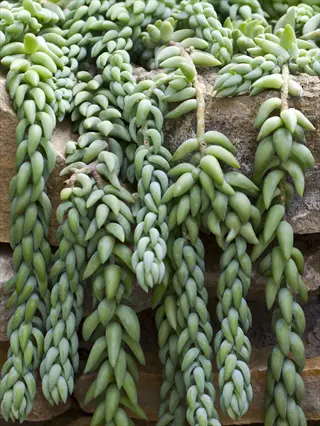
Succulents and Cacti
- Why: These desert plants rot quickly in soggy soil, so they need the fast drainage perlite provides.
- Ratio: A heavy share of 40% to 60% perlite in a gritty mix keeps roots dry between waterings.
- Result: Water passes through quickly so the roots never sit in standing moisture.
- Pairing: Combine with coarse sand or grit for an even sharper-draining desert mix.
- Watch: Use coarse perlite here, since fine perlite holds a little more water than these plants want.
- Sign of success: Firm, plump stems and roots with no soft, mushy patches at the base.
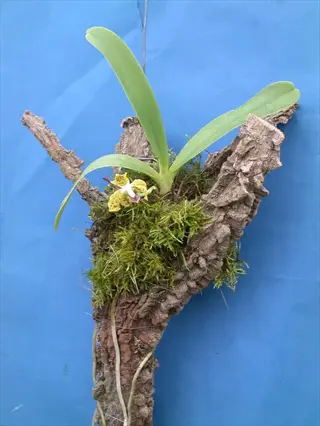
Orchids
- Why: Orchid roots need air around them and rot in dense, water-holding soil.
- Mix: Coarse perlite joins bark and charcoal in many orchid mixes to keep the media chunky and open.
- Drainage: The airy structure lets water run through fast, mimicking how orchids grow on trees.
- Grade: Choose coarse grades so big air gaps stay between the pieces.
- Benefit: Better airflow around roots lowers the risk of crown and root rot.
- Tip: Repot when the bark breaks down, refreshing the perlite at the same time.
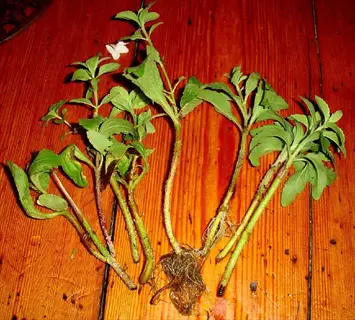
Cuttings and Seedlings
- Why: New roots need oxygen, and perlite keeps the rooting zone airy and free-draining.
- Method: Use about 50:50 perlite to compost, or pure perlite for the bag propagation technique.
- Sterile: Perlite is sterile, which helps prevent the damping-off that kills young seedlings.
- Moisture: The mix holds gentle moisture without staying soggy around delicate new roots.
- Science: Per UC ANR, propagation media use large particles like perlite to maximize air-filled porosity.
- Transition: Pot rooted cuttings into a normal mix once roots are an inch or two (2 to 5 cm) long.
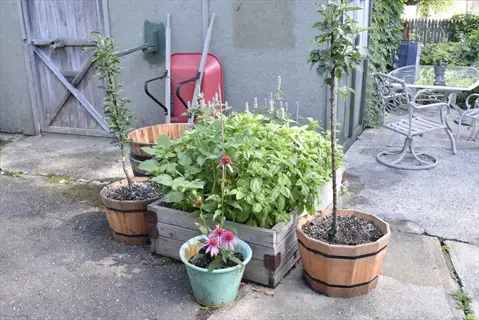
Container Vegetables
- Why: Pots compact over a season, and perlite keeps the soil loose so roots keep breathing.
- Ratio: Around 10% to 30% perlite in the mix balances drainage with moisture for hungry crops.
- Feeding: Because perlite adds no nutrients, pair it with compost or fertilizer for heavy feeders.
- Drainage: Good drainage prevents the waterlogging that stresses tomatoes and peppers in containers.
- Lightness: A lighter mix makes large vegetable pots easier to shift around a patio.
- Watering: Check moisture more often, since well-drained pots can dry out faster in summer heat.
Perlite for cuttings works for one plain reason. UC ANR says rooting mixes often use big particles like perlite to hold less water and let in more air. Your new roots need oxygen most of all. Those white chunks feed them air without drowning the stem.
Perlite for hydroponics takes this even further. The white grains drain fast and stay clean. So you can grow in pure perlite or a near-pure mix. A pot of plain perlite can hold a plant just fine when you feed and water it right.
Perlite for houseplants ties all these uses together for you. You can root a cutting, refresh an orchid, or loosen the soil for a leafy pothos. The same airy material keeps your roots breathing through all of it. Match the share to the plant and you'll get firmer growth and fewer rotten roots.
Perlite vs Vermiculite, Plus Alternatives
The perlite vs vermiculite debate sounds like a contest. But the two are not interchangeable, as the team at Oklahoma State note. Vermiculite has a high cation exchange rate, so it holds water and nutrients well. Perlite handles drainage and air. Pick the one that fits the job, not the one that wins a fight.
Plenty of gardeners use both. They start seeds in vermiculite to keep young roots evenly moist, then switch to perlite for established plants that hate wet feet. The chart below lines up the real strengths of each so you can match them to your plants.
- Improves drainage and adds air-filled pore space.
- Holds little water, so the mix dries faster.
- Best for succulents, cacti, and established plants.
- Can float to the surface when watered from the top.
- Stays loose and does not compact over time.
- Holds more water and releases it slowly to roots.
- Has high cation exchange capacity, so it holds nutrients.
- Best for seed starting and moisture-loving plants.
- Compresses more and holds less air than perlite.
- Keeps young seedlings evenly and steadily moist.
Reach for perlite when you want drainage and air, and vermiculite when you want to hold water and nutrients. If floating perlite bothers you, pumice does a similar drainage job and sinks.
One quick note on pH. Perlite itself sits near neutral, so it will not pull your mix acidic or basic on its own. Most soilless media land around pH 6.2, per the team at Maryland. But that number comes from the whole blend of peat, bark, and other parts. Your media pH depends on the full recipe, not the perlite alone.
If perlite is hard to find or you just want options, here is the plain truth about a few perlite alternatives. Pumice drains as well as perlite and is heavier, so it sinks instead of floating to the top. Rice hulls give you a renewable organic choice that breaks down over time. Coarse sand or grit also works as a substitute for perlite in heavy mixes that need extra weight and grit.
Here is a simple decision to make. Pick perlite when you want drainage and air. Reach for vermiculite when you want to hold water and nutrients. Grab pumice when floating perlite gets on your nerves. Each one earns a spot, so match the material to the plant in front of you.
Dust Safety and Sustainability
Open a fresh bag and a fine white cloud puffs up at you. That perlite dust is the main reason people ask is perlite safe to handle at all. The short answer is yes, with one simple habit you should build from the start.
Here is what the science says. Perlite holds a tiny bit of crystalline silica, the form tied to lung harm at heavy work doses. The NIOSH and CDC record puts perlite's free silica at 0% to 3%. Expanded perlite measures about 0.4% quartz and 0.2% cristobalite. That is low, and the same record found no cases of harm from breathing the dust.
So treat the dust as a nuisance irritant, not a poison. It can dry out your throat or sting your eyes on a still day, much like sawdust or flour would. You don't need special gear to stay safe with it, just a bit of common sense when you scoop and mix.
The fix takes two seconds. Mist the perlite with water before you touch it and the dust stays put instead of going airborne. Add a cheap dust mask when you empty a big bag indoors, and mix outside or near an open window when you can.
- Dampen first: Lightly mist the perlite before you scoop or mix it so the fine dust stays down instead of going airborne.
- Mask up: Wear a dust mask in still air or when working with a large bag, since dry perlite dust is a nuisance irritant.
- Work outdoors: Mix in a ventilated spot or outdoors so any dust disperses rather than building up around you.
- Reuse it: Rinse and reuse old perlite where you can, since it is permanent and does not break down in the soil.
- Store the bag sealed and dry so it stays clean and ready for the next mix.
There are no published reports of adverse physiologic effects from exposure to perlite dust.
Now the green question. Perlite is a mined volcanic glass, so it counts as a non-renewable resource dug from the ground, not something you can grow back. That sounds like a strike against it until you look at how long it lasts in your soil.
Perlite never rots or breaks down, which means one batch keeps working for years. When you repot or pull a plant, you can reuse perlite by rinsing the old particles and mixing them into a new blend. That long life softens the resource cost a lot, since you buy it once and use it again and again.
One last note worth a hedge. Some growers report leaf burn on a few sensitive plants from fluoride tied to perlite. Other sources say the link is overblown. The proof is thin both ways. So call it plausible but not well proven, and watch fussy plants like spider plants or dracaena if you want to be safe.
5 Common Myths
Perlite feeds your plants and replaces fertilizer because it improves how well roots grow in the pot.
Perlite is chemically inert and adds no nutrients at all. Amended mixes still need compost or fertilizer to feed plants.
Perlite is just white Styrofoam balls that manufacturers sneak into bags of potting soil to bulk them up cheaply.
Perlite is a natural volcanic glass heated until it expands into a porous mineral. It is not plastic and is not Styrofoam.
More perlite always means healthier plants, so you should add as much as possible to every pot you fill.
Too much perlite drains water so fast the mix dries out. Most potting mixes only need about 10 to 30 percent perlite.
Perlite is dangerous to breathe and causes serious lung disease, so it is unsafe to use at home.
Per the OSHA air contaminants record, no published reports link perlite dust to adverse effects. Dampen it to limit nuisance dust.
Perlite and vermiculite are basically the same product, so you can swap one for the other in any recipe.
They are not interchangeable. Vermiculite holds water and nutrients, while perlite mainly improves drainage and aeration.
Conclusion
Using perlite for plants comes down to one simple idea. This lightweight volcanic glass opens up your soil so air and water move the way roots need them to. It fixes packed dirt, boosts soil drainage, and improves soil aeration without changing the chemistry of your mix.
Keep in mind that perlite feeds nothing. It is chemically inert and near-neutral. Lab work in PeerJ and the University of Maryland Extension both back this up. So your mix still needs compost or fertilizer to feed your plants. The perlite just handles structure and keeps healthy roots breathing.
The right perlite ratio shifts with what you grow. Most potting mixes want about 10% to 30% perlite. Raised beds do well at 25% to 30%. Thirsty cacti and succulents like a sharp 40% to 60% blend. Plants that love wet feet need a good deal less, so dial it back for them.
Mix a small batch and feel the difference for yourself. Perlite is a cheap, lasting upgrade for any pot or bed that turns hard and dense over time. If you still have questions about specific plants or what to reach for when perlite is not the fit, the FAQs below sort out those details.
Glossary
- Air-filled porosity
- The share of a soil's pore space that holds air rather than water, which roots rely on for oxygen.
- Aluminosilicate
- A natural compound of aluminum, silicon, and oxygen that makes up the volcanic glass perlite is formed from.
- Cation exchange capacity
- A measure of how well a material can hold onto and release plant nutrients in the soil.
- Perlite
- A lightweight, porous white material made from volcanic glass that is heated until it expands, used to improve soil drainage and aeration.
- Pumice
- A lightweight volcanic rock used like perlite for drainage, but heavier so it does not float to the surface.
- Soil compaction
- When soil packs into a dense, airless block that makes it hard for roots and water to move through it.
- Vermiculite
- A mineral soil amendment that holds more water and nutrients than perlite, used to keep soil evenly moist.
- Water-holding capacity
- The share of a soil's pore space that holds water available to plant roots.
External Sources
Frequently Asked Questions
Which plants don't like perlite?
Moisture-loving and bog plants benefit least from perlite, and some sources flag fluoride-sensitive species.
- Bog and moisture-loving plants like ferns and carnivorous plants
- Reportedly fluoride-sensitive plants such as spider plants and peace lilies
- Young seedlings that need steady moisture around fine roots
Can plants grow in just perlite?
Yes, many cuttings and hydroponic plants grow in pure perlite, but it holds no nutrients so you must feed them.
What can I use instead of perlite?
Pumice, vermiculite, rice hulls, coarse grit, and biochar are common perlite alternatives with different trade-offs.
- Pumice for drainage that will not float
- Vermiculite for more water and nutrient holding
- Rice hulls as a renewable organic option
- Coarse sand or grit for heavy mixes
What are the disadvantages of perlite?
Perlite adds no nutrients, can float to the surface, creates dust when dry, and is a non-renewable mined resource.
Is too much perlite bad for plants?
Yes, too much perlite drains water away too quickly, so the mix dries out and roots can struggle to take up moisture.
When should you use perlite?
Use perlite when soil compacts, drains poorly, or you are propagating cuttings, starting seeds, or potting plants.
What is perlite made of?
Perlite is a natural volcanic glass made of amorphous aluminosilicate that expands up to 15 times when heated.
Can I add perlite to plants without repotting?
Yes, you can work perlite into the top layer of soil or top-dress, though full repotting blends it more evenly.
Should I add perlite to all my plants?
No, perlite suits drainage-loving plants, but moisture-loving species and seedlings often do better with less of it.
Which plants is perlite good for?
Succulents, cacti, orchids, many houseplants, vegetables in containers, and rooting cuttings all benefit from perlite.
- Succulents and cacti that need fast drainage
- Orchids that need airy, chunky media
- Cuttings and seedlings during propagation
- Container vegetables prone to compaction

