

Introduction
Walk into a room where a Monstera spreads its glossy, split leaves across a sunny corner, and the whole space feels alive. Tropical plants do that. One bold leaf can turn a bare wall or a dull patio into something you actually want to look at. The real trick is keeping that look once the plant settles into your home.
One number explains why these plants struggle indoors. Native tropical air runs 70% to 90% humidity. A heated or cooled home can fall below 10%. The PlantTalk Colorado guide from Colorado State backs up those numbers. That gap is huge. It dries out leaves, browns the tips, and stresses roots. So good tropical plant care starts with the world these plants came from.
This guide puts everything in one place and backs it with named university experts. You get the most popular tropical plants worth growing. You get cited care data on light, watering, and feeding. You get clear steps for overwintering. Every care number here traces back to a real horticulturist you can look up.
Keep one simple idea in mind as you read. These plants play two roles. Indoors they work as year-round tropical houseplants that bring color and texture to any room. Outdoors, picks like Hibiscus and Elephant Ear shine as bold summer accents on a patio or in a bed. A hard frost kills them fast. So in cold areas you must bring those plants in before frost, or store them. The sections ahead cover both jobs, so your indoor tropical plants and your patio stars all stay healthy.
Most Popular Tropical Plants
A dim back corner of my living room sat dead for two years. Three ferns died there before I gave up on the spot. I dragged a young Monstera to the bright window beside it and then mostly left it alone. By the end of one summer it had pushed out split leaves the size of dinner plates. That dead corner became the first thing guests saw.
That is the pull of the most popular tropical plants. Each one gives you bold leaves or bright blooms. And the care still forgives a missed watering or a so-so spot. David Trinklein, a plant expert with a state university, sees three reasons. Tropicals bring bright flowers. They shrug off heat. And they have a carefree nature that suits busy homes. Those traits are what make them so easy to bring home and keep happy.
The ten below are the best tropical indoor plants for most homes. A few flowering picks like Anthurium and Hibiscus work outdoors too. Easy growers like Peace Lily and Philodendron come first because they put up with real life. Each profile gives you the light, the water, and the one feature that earns the plant a spot in your home.
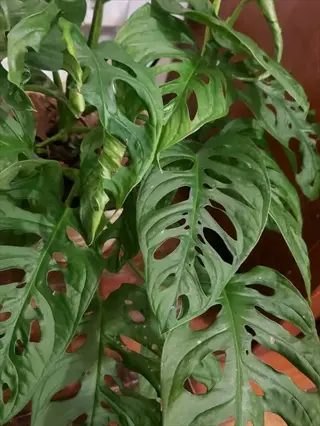
Monstera (Swiss Cheese Plant)
- Look: Large, glossy green leaves develop dramatic splits and holes as the plant matures, giving the famous jungle silhouette.
- Light: Prefers bright indirect light near a window; harsh direct sun can scorch and bleach the broad leaves.
- Water: Keep the soil evenly moist and let the top inch dry slightly between waterings to avoid root rot.
- Growth: Fast climber that benefits from a moss pole; can reach several feet tall indoors within a few seasons.
- Care level: Beginner friendly and forgiving, which is a major reason it ranks among the most popular tropical houseplants.
- Note: The leaves are toxic to cats and dogs if chewed, so place it out of reach of curious pets.
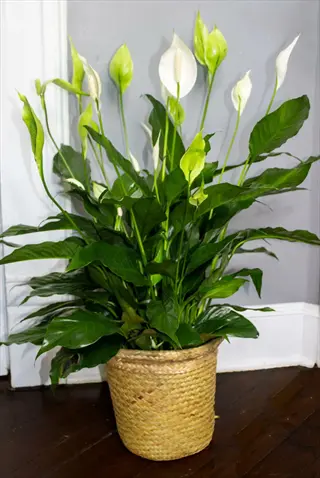
Peace Lily
- Look: Deep green leaves and elegant white spathe flowers that appear on and off through much of the year.
- Light: Tolerates lower light better than most flowering tropicals, making it ideal for offices and shaded rooms.
- Water: Likes consistently moist soil and will dramatically droop as a clear signal that it needs a drink.
- Humidity: Appreciates higher humidity and may show brown leaf tips in very dry indoor winter air.
- Care level: Very forgiving and one of the easiest blooming tropicals for beginners to keep alive.
- Note: It is toxic to cats and dogs, so keep it away from pets that like to nibble foliage.
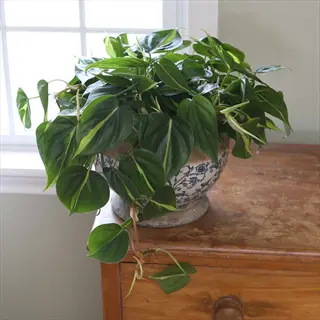
Philodendron
- Look: A huge family ranging from trailing heartleaf vines to large upright forms, all with lush tropical leaves.
- Light: Thrives in bright indirect light but adapts well to medium light, which adds to its popularity.
- Water: Let the top inch of soil dry between waterings; it is more tolerant of occasional neglect than many tropicals.
- Growth: Vining types trail or climb, while self-heading types form a bushy upright clump over time.
- Care level: Among the most beginner-friendly tropicals, tolerating a wide range of indoor conditions.
- Note: Foliage is toxic to pets if ingested, so position trailing stems out of reach.
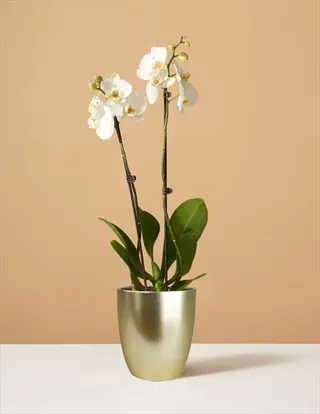
Orchids
- Look: Exotic, long-lasting blooms in many colors rise on slender stems above strappy green leaves.
- Light: Most common moth orchids want bright indirect light; an east-facing window suits them well.
- Water: Grown in bark, they prefer to dry slightly between waterings and dislike sitting in soggy media.
- Humidity: Appreciate moderate humidity around 40% to 70%, often boosted with a pebble tray.
- Care level: Easier than their reputation suggests once their bark-based, airy root needs are understood.
- Note: Phalaenopsis orchids are generally considered non-toxic and pet-safe, a plus for animal households.
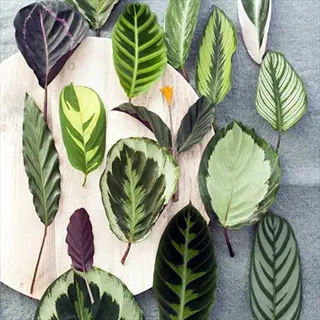
Calathea (Prayer Plant)
- Look: Boldly patterned leaves in green, cream, and purple that fold upward at night, hence the prayer plant name.
- Light: Prefers medium to bright indirect light; too much direct sun fades its striking leaf patterns.
- Water: Likes consistently moist soil and is sensitive to mineral buildup, so filtered or rainwater helps.
- Humidity: One of the thirstiest tropicals for humidity, ideally 50% or higher to avoid crispy edges.
- Care level: A bit fussier than most on this list, rewarding growers who give steady moisture and humidity.
- Note: Calatheas are non-toxic to cats and dogs, making them a popular choice for pet owners.
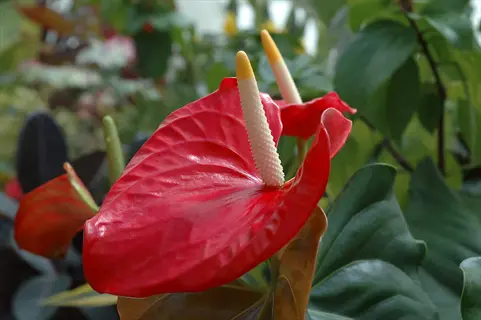
Anthurium
- Look: Glossy heart-shaped leaves and waxy, long-lasting red, pink, or white flower spathes.
- Light: Wants bright indirect light to keep blooming; deep shade reduces flowering noticeably.
- Water: Keep soil lightly moist but never waterlogged, as the roots are prone to rot in heavy wet mixes.
- Humidity: Prefers high humidity around 60% to 80% and rewards it with steady, colorful blooms.
- Care level: Moderate, mainly because it needs warmth, humidity, and bright light to flower well.
- Note: Anthurium is toxic to cats and dogs if chewed, so keep it out of their reach.
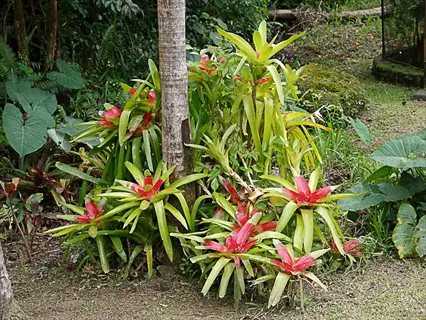
Bromeliads
- Look: Rosettes of arching leaves topped by a bold, long-lasting central flower bract in vivid colors.
- Light: Like bright indirect light; many tolerate brighter spots than typical leafy tropicals.
- Water: Many hold water in their central cup, which can be kept filled with fresh water in warm rooms.
- Growth: The main rosette blooms once, then produces offsets called pups that carry on the plant.
- Care level: Easygoing and striking, a good pick for adding a splash of color with little fuss.
- Note: Most bromeliads are considered non-toxic and pet-safe, which adds to their appeal.
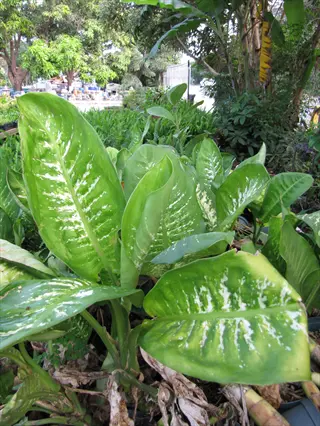
Dieffenbachia (Dumb Cane)
- Look: Large, paddle-shaped leaves marbled in green, cream, and white for a bold tropical statement.
- Light: Grows well in medium to bright indirect light and tolerates lower light better than many tropicals.
- Water: Let the top inch of soil dry between waterings; it dislikes constantly soggy roots.
- Growth: Forms a tall, leafy stalk over time and can become a sizable floor plant.
- Care level: Beginner friendly and fast growing, popular for filling space quickly.
- Note: It is notably toxic to cats and dogs, so handle and place it carefully around pets.
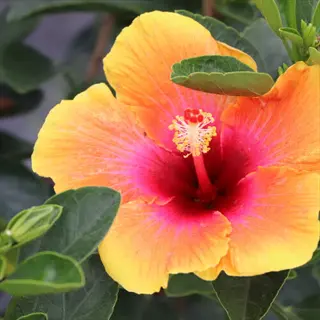
Hibiscus
- Look: Showy, saucer-sized flowers in red, pink, orange, or yellow above glossy green foliage.
- Light: Wants the brightest light you can give it, including some direct sun, to bloom heavily.
- Water: Likes regular water in summer; tropical types are kept barely moist when overwintered indoors.
- Use: A favorite dual-purpose tropical, grown in patio containers in summer and overwintered indoors in cold climates.
- Care level: Moderate, mainly because it needs strong light and overwintering attention in cold regions.
- Note: Tropical hibiscus is generally regarded as non-toxic to cats and dogs.
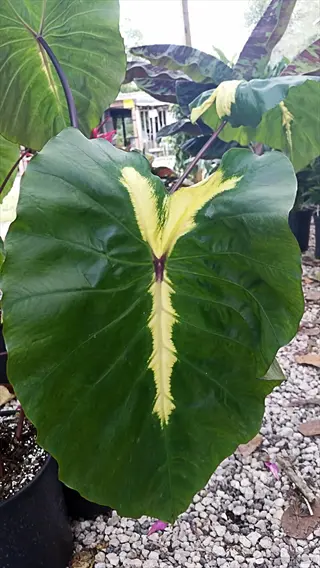
Elephant Ear (Colocasia)
- Look: Enormous heart-shaped leaves on tall stems that deliver instant bold, jungle drama outdoors.
- Light: Grows in full sun to part shade outdoors as long as it has steady moisture.
- Water: A heavy drinker that loves consistently wet soil and even pond-side or bog conditions.
- Use: A top outdoor accent in cold-climate gardens, grown from tubers that are lifted and stored over winter.
- Care level: Easy in summer, with the main task being lifting and curing the tubers before frost.
- Note: The leaves and stems are toxic if eaten, so keep them away from pets and children.
What Are Tropical Plants
So what are tropical plants, and why do so many of them end up on windowsills far from the equator? The simple answer is that tropical plants come from warm, humid, frost-free regions near the equator. They grow under the rainforest canopy where the air stays wet and the light filters down soft and green. That single fact explains almost everything about how they act in your home.
These warm-climate plants split into two camps for most readers. One group lives indoors as houseplants. Bold tropical foliage plants like Monstera and Philodendron lead the way. The other group goes outside in summer as exotic plants that add a jungle look to a patio, then comes back in before frost. Both camps want the same thing, which is warmth, moisture, and shade that mimics where they started.
The diversity here is staggering. The National Park Service says two-thirds of all flowering plants grow in rainforests. A single hectare may hold up to 1,500 species of higher plants. That dense, layered jungle is the source of nearly all the tropical vegetation you bring home. It also explains why no two of your plants look or behave quite alike.
Because of that warm, wet, shaded home, most tropicals thrive at 60 to 75°F (16 to 24°C) and struggle once your room turns cold and dry. Think of it this way. A jungle floor is warm, damp, and dim, while your heated winter living room is dry, bright by the window, and prone to chilly drafts. That gap is the whole challenge, and the basics below show you exactly what your plants expect.
Light, Water and Feeding Care
Good tropical plant care comes down to three things working together. Light feeds your plant, water keeps it firm, and food fuels the fast growth these plants are famous for. Get one wrong and the others can't make up for it.
Light is the engine. Most tropicals want bright indirect light. That means a spot a few feet back from a sunny window. That steady glow is what builds the big, bold leaves you bought the plant for. Direct midday sun is too harsh and burns the foliage. A dim corner leaves your growth thin and pale.
Water is where most beginners slip. Your goal is consistent moisture, not a soggy pot. Let only the top inch of soil dry out, then water again. Use a well-drained soil mix and a pot with drainage holes. Overwatering and poor drainage are the fastest path to root rot. Rotting roots can't drink, so your plant wilts even when the soil is wet.
Feeding is the part people skip. Tropicals are heavy feeders. The University of Illinois Extension says to feed them every 1 to 2 weeks while they grow. Use a liquid fertilizer for this. A higher-nitrogen feed pushes out those large, healthy leaves. Here is the simple routine you can follow.
Set most tropicals a few feet from a bright window so they get strong light without harsh direct sun that scorches leaves. Low-light spots can be boosted with a grow light.
Plant in a rich, slightly acidic mix that holds moisture but drains freely; adding coconut coir or peat helps retain water while bark keeps the roots from staying waterlogged.
Keep the soil uniformly moist and let only the top inch dry between waterings, since letting tropicals dry out fully reduces foliage quality while constant sogginess invites root rot.
During active growth, fertilize every one to two weeks with a liquid fertilizer; higher-nitrogen feeds promote the large, healthy leaves that make tropical plants so striking.
Reduce watering and stop fertilizing in winter when light is lower and growth slows, then resume regular feeding and watering as new growth returns in spring.
Notice how the routine shifts with the seasons. Tropicals are hungry, fast growers in their warm months. They want the most light, water, and food from spring through summer. When the days shorten and growth slows, ease off. Give less water and no fertilizer in winter. That stops your plant from straining for food it can't use yet. It bounces back the moment new growth shows up in spring.
Humidity and Temperature Needs
Brown, crispy leaf edges almost never mean your plant is thirsty. They mean the air around it is too dry. Most owners reach for the watering can, soak the roots, and watch the brown tips spread anyway. The real fix is tropical plant humidity, not more water.
The numbers from Colorado State University make this gap clear. In the wild, relative humidity runs 70 to 90% for these plants. A heated or cooled home can fall below 10%. That is a brutal drop for a plant built for the jungle floor. Dry air and cold drafts speed up how fast the leaves lose water. So the tips dry out first and turn brown.
Temperature is the easier part to get right. The ideal temperature for tropical plants indoors is the middle band of 60 to 75°F (16 to 24°C). Cool growers like 40 to 50°F, and warm growers want more than 75°F. Keep your plants off cold windowsills and away from heating vents. That covers most of the temperature risk on its own.
Both of these conditions often create an environment that has less than 10 percent humidity, well below the 70 to 90 percent relative humidity levels found in the native climates of most tropical plants.
So how do you close that gap at home? A humidifier is the most reliable answer because it raises the moisture in the whole room and holds it there. Grouping plants together helps too, since they release water and shelter each other. A pebble tray under the pot adds a little local moisture as the water evaporates. Misting feels productive, but the bump fades in minutes and never moves the needle for long.
Dry air bites hardest in winter, when the heat runs day and night and pulls every bit of moisture from the room. That is exactly when most owners watch their tropicals develop crispy edges and small leaf spots. Set up your humidity fix before the furnace kicks on for the season, and you skip the worst of the damage.
Tropical Plants for Outdoors
You can grow a lush jungle look outdoors even if winter turns hard and cold where you live. The trick is to treat most tropical garden plants as one-season stars that dazzle for a single warm summer before you store or replace them.
University of Illinois Extension says you can plant tropicals in the ground or grow them in pots. In cold climates they act as annuals. For tropical plants for containers, the Extension suggests starting with 24 to 36 inch (60 to 90 cm) diameter pots. Fill them with a bark-based mix and amend it with coir or peat to hold moisture.
Good tropical landscaping leans on bold foliage and big color. A Canna Lily sends up tall spikes of red and orange bloom. An Elephant Ear opens leaves the size of a dinner plate. A Banana plant adds real height and broad green fronds. Clumping bamboo gives the same lush look but stays put, so it won't spread like running types do.
One word of caution before you plant. Some tropicals are toxic, and Illinois Extension points to castor bean, whose seeds are poisonous. Keep plants like that away from kids and pets, or skip them for a safer pick.
So how do you choose between a pot and a garden bed? It comes down to space, winter plans, and the fuller jungle effect you want from your yard.
Containers shine where space is tight and make overwintering simple, since you can lift and move the whole pot indoors before frost. Illinois Extension suggests starting with 24 to 36 inch (60 to 90 cm) diameter pots filled with a bark-based mix amended with coconut coir or peat for moisture.
In-ground beds give roots more room and create a fuller, lush jungle effect for the warm season, but the plants usually act as annuals in cold climates. They are harder to overwinter, so many gardeners dig and store tubers of plants like Canna, Elephant Ear, and Banana instead.
Overwintering and Pest Control
Fine webbing strung between the leaf joints, and the foliage looked dusty and stippled with pale dots. My tropical Hibiscus had only been inside two weeks, parked by my south-facing living-room window. I noticed the spider mites had ridden in on it. I treated it with horticultural oil, then I checked the next plant before it came in. That second one never broke out. You can dodge the same mess if you check your plants first.
In a cold climate, your timing runs the whole show. A single hard frost kills your unprotected tropical overnight, so all your work crowds into one short autumn window before the first freeze. For you, overwintering tropical plants is less about luck and more about beating that date on your calendar.
Start moving your plants in before nighttime temperatures regularly drop into the mid-to-low 50s°F. Wait too long and you gamble on a sudden cold snap. Bringing tropical plants indoors early also gives your plants time to settle before your heat kicks on inside.
Inspect every plant before you bring it inside. Spider mites are the hard part because they hide on leaf undersides, and you rarely see them until the stippling shows. Treat your plants with horticultural oil or insecticidal soap first. Mites thrive in your warm, dry rooms. They explode once your plant sits by a heat vent.
Some plants store best in a dormant state. Cure them, then store tubers of Elephant Ear and Caladium in a cool, dry spot. Cut back your large bananas and keep them at 45 to 50°F (7 to 10°C) all winter. That cool storage is your frost protection for them. A new shoot pushes up in spring once the roots stay moist and frost-free.
Know which of your leaves come back and which do not. Your weeping figs grow fresh leaves suited to lower indoor light, so they bounce back. But rubber trees and fiddle leaf figs will not replace the leaves they drop indoors. They stay bare even after you move them back outside. So handle those two with care when you bring them in.
Late Summer
Scout plants for pests and decide which large tropicals are worth saving versus restarting smaller in spring.
Early Fall
Before nights regularly hit the mid-50s°F, treat plants with horticultural oil or insecticidal soap and move them indoors.
First Frost Approaches
Lift and cure tubers of Elephant Ear and Caladium, and cut back and store large bananas at 45 to 50°F (7 to 10°C).
Winter
Reduce watering, do not fertilize, and wipe dust from palm and large leaves so they keep getting light.
Spring
Resume feeding as new growth appears, then reintroduce plants outdoors only when nights stay near 50°F and soil warms.
Inspect every plant for spider mites and other insects and treat with horticultural oil or insecticidal soap before bringing tropicals indoors, because mites thrive in warm, dry rooms and are hard to spot until damage appears.
5 Common Myths
All tropical plants need direct, full sun all day because they grow near the hot equator and love heat.
Most tropicals evolved under a rainforest canopy and prefer bright indirect light; harsh direct sun often scorches their leaves.
Misting your tropical plants a few times a day raises humidity enough to keep them healthy through dry indoor winters.
Misting only briefly wets leaves; a humidifier or pebble tray is far more reliable for the 70 to 90 percent humidity tropicals prefer.
Tropical plants are houseplants only and cannot be grown outdoors in cold-climate gardens during the warm season.
Many tropicals thrive outdoors in summer as bold container or bed accents, then move indoors or get stored before frost.
A tropical plant that drops leaves after coming indoors for winter is dying and should be thrown out right away.
Leaf drop is often normal stress from lower light; weeping figs even grow new leaves suited to indoor conditions.
Tropical plants need constant watering and should never be allowed to dry out at all between waterings indoors.
Most prefer evenly moist soil, but overwatering causes root rot; in winter you should reduce watering as growth slows.
Conclusion
The big idea behind tropical plants is that you don't have to pick a spot for them. The same Monstera or banana fills a sunny patio in July. Then it moves inside and brightens a corner all winter. They reward you the moment you copy the warm, humid, bright homes they came from.
Keep three numbers in your head and you'll skip most beginner mistakes. Hold the room between 60 and 75°F (16 to 24°C). Push humidity toward 70 to 90% when you can, and never let frost touch them. Cold kills these plants fast, and one freezing night can end a whole season of growth.
If you keep just one habit from all this tropical plant care, make it this one. Water on a steady rhythm so the soil stays evenly moist. Don't let it go soggy or bone dry, and lift the humidity around the leaves. That single routine stops the brown tips and root rot that trip up most beginners with tropical houseplants.
And don't think of the cold months as the end of the line. Overwintering tropical plants is how you win. You keep the same bold, leafy plants year after year, even where winters get cold. You skip buying new ones each spring. Match their light, mind their humidity, and bring them in before frost. Then these plants thrive for many seasons with you.
Glossary
- bright indirect light
- Strong daylight that reaches a plant near a window without the sun's rays striking the leaves directly.
- epiphyte
- A plant such as an orchid or bromeliad that grows on another plant for support rather than in soil.
- overwintering
- Protecting a tender plant through cold months, often by moving it indoors or storing its roots frost-free.
- relative humidity
- The amount of moisture in the air compared with the most it could hold, shown as a percentage.
- root rot
- Decay of a plant's roots caused by soil that stays too wet, often killing the plant.
- spathe
- The single petal-like leaf that wraps around the flower spike of plants like the Peace Lily and Anthurium.
- transpiration
- The process by which plants release water vapor from their leaves into the air.
- tuber
- A swollen underground plant part that stores energy and can be lifted and replanted, as with Elephant Ear.
External Sources
Frequently Asked Questions
What are the most popular tropical plants?
Popular tropical plants include Monstera, Peace Lily, Philodendron, Orchids, Anthurium, Calathea, Hibiscus, Canna Lily, and Elephant Ear.
What are tropical plants?
Tropical plants are warm-climate species native to humid equatorial regions, prized for bold foliage, colorful flowers, and fast growth.
What are 5 plants that live in the tropical rainforest?
Five rainforest plants are:
- Cacao tree
- Orchids
- Bromeliads
- Ferns
- Rubber tree
What rainforest plant makes chocolate?
The cacao tree (Theobroma cacao) makes chocolate; its pods hold the beans that are processed into cocoa and chocolate.
What is tropical vegetation?
Tropical vegetation is the dense, fast-growing plant life of warm, wet equatorial regions, including rainforests with broad-leaved evergreen plants.
How do you care for tropical plants indoors?
Give bright indirect light, keep soil evenly moist, feed regularly, and raise humidity with a humidifier or pebble tray.
How do you overwinter tropical plants?
Move tropicals indoors before nights drop into the mid-50s°F, treat for pests, reduce watering, and store tubers frost-free.
What temperature and humidity do tropical plants need?
Most tropical plants prefer intermediate temperatures of 60 to 75°F (16 to 24°C) and 70 to 90 percent relative humidity.
Are tropical plants toxic to pets?
Many popular tropical plants, including Peace Lily, Philodendron, and Dieffenbachia, are toxic to cats and dogs if chewed.
Which plants are considered lucky tropical plants?
Lucky bamboo and the money tree are tropical-style plants traditionally linked to good fortune in folklore, not by science.

