Herb · Polygonaceae
Garden Sorrel
Rumex acetosa
Low and leafy, garden sorrel throws up handfuls of bright green, tart, lemony leaves through the season.
Full sun
Every 3–7 days
30–75°F · -1–24°C
60–90 days
Overview
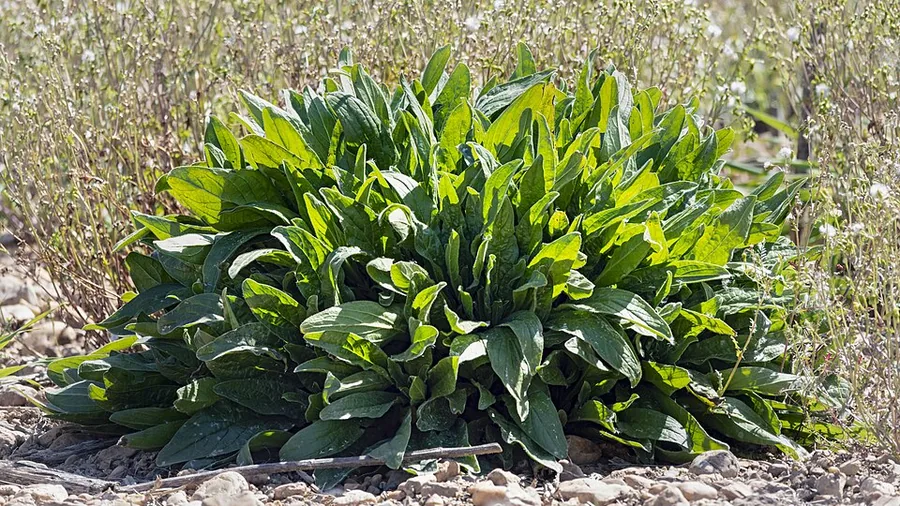
Garden sorrel grows as a low, leafy clump of bright green foliage, the narrow leaves rising fresh above the crown. A hardy perennial in the dock family, it has been gathered for centuries and pushes up among the first green of spring, keeping its color even as the cold lingers and softer salad leaves collapse.
Run a young leaf between your fingers and it feels soft, thin, and tender, with a bright green surface. Hold it up to the light and the blade turns faintly translucent. That clean, sour taste comes from the oxalic acid in the tissue, and it is the reason to eat the leaves in moderation. As they age the leaves coarsen, thickening and toughening, so the young, supple ones are the ones worth picking.
Left to grow, the plant stays a rounded mass of basal leaves close to the ground. Come summer it can send a tall, reddish stalk shooting up from the center, a flower stalk that lifts well above the low green clump. Kept cut, the clump holds its fresh, leafy shape and crops for years before it needs splitting.
Care
The short version: grow sorrel in full sun to light shade with steady moisture and rich, well drained soil. Cut the bright outer leaves often and take off the reddish flower stalks as they rise, and the clump stays green, tender, and productive.
Light
Sorrel colors up best in full sun, though it holds good green in partial shade as well, and a little shade helps where summers are hot by slowing the rise of the flower stalk. In deep shade the leaves come up thin and sparse rather than full and green.
Water
Keep the soil evenly moist, watering every 3 to 7 days and more when it dries, and the leaves stay plump and tender to the touch. Let it run dry and the plant hurries into flower, and the leaves stiffen and sour.
Soil
Sorrel roots into fertile, well drained loam thick with dark organic matter. It leans slightly acidic, around a pH of 5.5 to 6.8, and is not particular, settling into most ordinary garden ground.
Temperature
Cool to mild air keeps the foliage at its greenest, roughly 30°F to 75°F (-1°C to 24°C), and a light frost leaves the leaves unmarked. Hard summer heat is what drives up the flower stalk, so the leaves look their freshest through spring and autumn.
Humidity
Plain garden air, somewhere around 40% to 70%, is all the leaves ask for, and no reading needs watching. Air moving over the foliage keeps it clean and green far more than any humidity figure.
Feeding
A feed in spring, whether a balanced or nitrogen-rich fertilizer or a layer of dark compost over the crown, thickens the flush of green leaves. For a leaf crop, one feed a season keeps the clump full.
Pruning
Pick the outer leaves often as a cut-and-come-again crop, and cut away the reddish flower stalks the moment they rise to hold the leaves soft and green. After flowering, shear the whole clump low and it pushes a fresh crop of young leaves from the crown.
Repotting
A clump stays full and green for 3 to 4 years before its center grows crowded and thin. When the middle opens out and the leaves shrink, lift and split it to bring back a solid mass of foliage.
Size & spacing
A mature clump forms a low green mound about 12 to 24 inches (30 to 60 cm) tall and 12 to 18 inches (30 to 45 cm) across. Set each one that far apart so the leaves fill the space and air slips between them.
When to plant
Sorrel is cold-hardy and greens up early. Its seed can be started indoors in late winter or sown straight into cold spring soil, and from the first low clump of leaves the cutting carries on through the season until frost.
Northern hemisphere
Southern hemisphere
Typical months for a temperate climate: start earlier in warm zones, later where spring frosts linger.
- Sow: 6-8 weeks before last spring frost
- Plant: Early spring as soon as soil can be worked; cold-hardy and tolerates light frost
- Harvest: Cut outer leaves young and often through the growing season; remove flower stalks to keep leaves tender and mild
Hardiness
USDA hardiness zones: 3–9
Temperature: down to -40°C
Troubleshooting
Sorrel stays mostly clean and green, and the few troubles it meets are written on the leaves themselves. A pest or two and the summer surge to flower cause nearly all of it. The marks and shapes below show what each one looks like up close.
A tall reddish stalk rising from the center of the clump
A tall, reddish stalk pushes up from the middle of the low green clump, the plant turning from leaf to flower under summer heat and long days. As it climbs, the surrounding leaves grow tough and taste sour. Cut the stalk out as soon as it shows and shear the plant back hard, and fresh, tender leaves fill back in from the base.
Fix:
- Cut off flower stalks promptly
- Shear plant back to encourage fresh basal leaves
Pale, twisting trails written across the green blades
Look closely and the leaf carries pale, winding lines and blotches just under the surface, the feeding tunnels of leaf miner grubs, the young of a small fly working between the two skins of the blade. Held against the light, the leaf shows the small grub or the dark specks of its droppings inside the translucent trail. Pick off the marked leaves, and pull out any wild dock nearby, the source the pest spreads from.
Fix:
- Pick off and destroy mined leaves
- Remove nearby wild docks that host the pest
Tiny green or black insects clustered on curling new leaves
The newest leaves pucker and curl, coated in a sticky film and studded with soft aphids in green or black, packed tight where the growth is tenderest. Turn a leaf over and the colonies sit crowded on the underside. A hard jet of water strips them off, insecticidal soap clears the stubborn ones, and less nitrogen leaves fewer soft leaves for them to settle on.
Fix:
- Spray off with a strong jet of water
- Apply insecticidal soap if persistent
Toxicity
Those bright, sour leaves sit in a middle ground. For people they are a real edible green in normal amounts, yet the tissue is loaded with oxalic acid, the source of the tartness, so large helpings call for restraint and animals should take no more than a nibble. The clear warning is for grazing livestock, which can eat enough to fall ill.
Toxic to
Cats · Dogs · Horses · Rabbits · Livestock · Birds
Safe for
People
Cats Mild
A single nibble of the sour green leaves rarely troubles a cat, but a full mouthful may bring on drooling, pawing at the mouth, or a bout of vomiting. An occasional taste is as far as it should go.
Dogs Mild
A leaf or two passes most dogs by. A larger helping of the oxalate-rich foliage can set off drooling, a lost appetite, or a loose, queasy stomach that lingers for a while.
Horses Mild
A horse cropping a little sorrel takes no harm. The trouble is bulk over time, since the oxalates in the leaves can unsettle the gut and, eaten in quantity, strain the kidneys.
Rabbits Mild
For a rabbit, the tart green is a small, occasional offering only. A large serving of the oxalate-heavy leaves can loosen the stools or upset the gut, so it should stay a minor part of the greens.
Livestock Moderate
This is the sharp end of the risk. Cattle, sheep, and goats grazing heavily on Rumex foliage can take in enough soluble oxalate to bring on weakness, digestive upset, and, in bad cases, damage to the kidneys.
Birds Mild
A peck at the leaves is unlikely to harm hens or other poultry, but the high oxalic acid in the green means it is not a leaf to feed in any quantity.
People Edible in moderation
Sorrel is a prized tart leaf for salads and soups, and a culinary helping is entirely safe to eat. Because the green is high in oxalic acid, keep large raw servings modest, especially for anyone prone to kidney stones.
Consume sorrel in moderation; the high soluble-oxalate content is a concern in large quantities, particularly for grazing animals.
Helpline numbers

United States
ASPCA Animal Poison Control: (888) 426-4435 (fee applies)

United Kingdom
Animal PoisonLine: 01202 509000 (fee applies)

Australia
Animal Poisons Helpline: 1300 869 738
Varieties
Most sorrel is the plain green garden species, but a couple of selections stand out by their leaves, one for barely flowering and one for the color running through the blade.
Rumex acetosa 'Profusion'
A nearly seed-sterile selection that barely throws up a flower stalk, so its low mound keeps making fresh, tender leaves long after ordinary sorrel has bolted into tall, seeding stalks.
Blood-veined sorrel (often sold as a sorrel form)
Its bright green blades are threaded with deep red veins that branch across the leaf, a marking striking enough for both the salad bowl and the flower bed.
How to propagate
Sorrel multiplies easily, either from the small seed in a packet or from a lifted piece of an existing green clump, roots and all.
SeedEasy
Spring, after the last hard frost or started indoors 6-8 weeks earlier · 60-90 days to a harvestable plant
Sorrel most often begins as small seed pressed shallowly into moist, fertile soil in spring, or started indoors 6 to 8 weeks before the last frost. Thin the little green seedlings so each clump has room to broaden, and the first cuttable leaves stand ready within 60 to 90 days.
DivisionEasy
Early spring or autumn · A few weeks once divisions root and resume growth
An established clump splits cleanly in early spring or autumn. Lift it and pull or cut it into pieces, each carrying pale roots and a green growing point, then set them back in the ground. The divisions take hold within a few weeks, filling out into fresh clumps of their own.
Myths
Sorrel is poisonous and unsafe to eat.
The look of those sharp, sour leaves misleads people. Sorrel is a traditional edible green eaten for centuries, and a normal serving is safe. The one real point is the high soluble-oxalate content packed in the tissue, which makes large raw quantities a concern for anyone prone to kidney stones and for livestock that graze it heavily. In moderate amounts the green is good food, not a poison.