Herb · Amaranthaceae
Epazote
Dysphania ambrosioides
Plant it in lean soil and full sun, pinch it often, and those pungent green leaves carry the unmistakable flavor of a Mexican kitchen all season.
Full sun
Every 3–7 days
50–86°F · 10–30°C
60–80 days
Overview
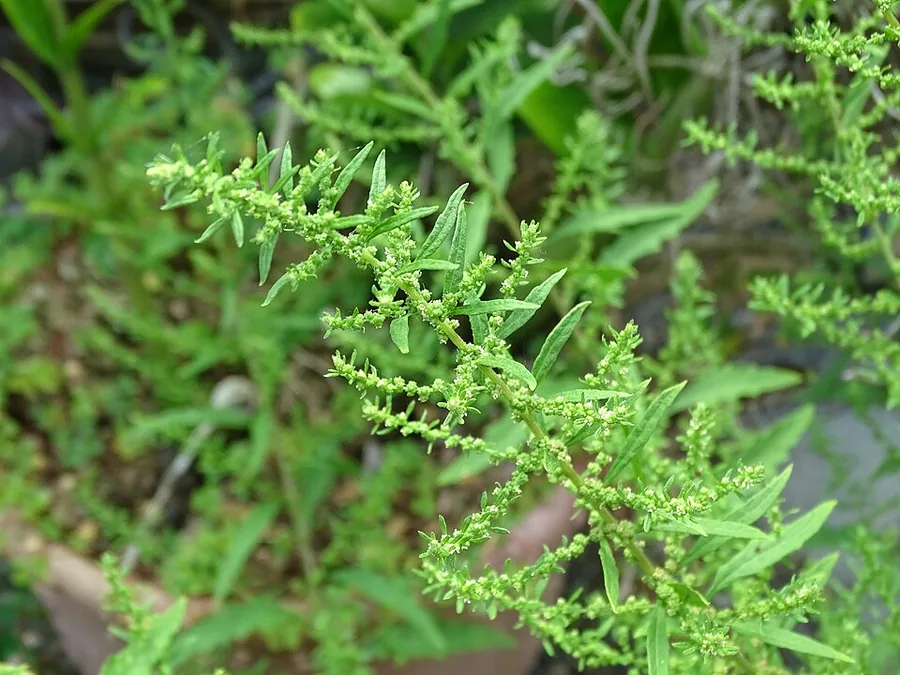
Epazote is the pungent green whose aromatic, jagged-edged leaves give a pot of black beans its unmistakable Mexican flavor. It sits in the same family as amaranth and spinach, and it grows wild across much of the Americas as a fast, weedy annual. One plant tucked into a sunny corner puts out all the leaf a kitchen could ask for.
Little is asked of it in return. Full sun, lean soil, and a few early drinks are all it wants, and an established plant brushes off the dry spells that would lay flatter herbs low. Its eagerness is the catch: let the small green flowers ripen and epazote scatters seed everywhere, which is why most gardeners treat it as an annual and keep the spikes cut.
One genuine caution belongs at the front. The leaf is a kitchen herb in small doses, used that way for generations, yet it holds an essential oil called ascaridole that turns toxic in quantity. Cook with a pinch and never a handful, and leave the concentrated oil out of the picture altogether.
Care
The short version: full sun, lean and well-drained soil, and steady water only while the plant is young. Pinch the tips to shape a bushy plant, keep feeding light, and clip the green flower spikes before they set seed.
Light
Give epazote full sun, as much as you can, though it puts up with a touch of afternoon shade. Strong light is what packs the aromatic oils into the leaves, so a plant baked in the open tastes sharper than one grown limp in shade.
Water
Hold the soil evenly moist while plants are young and sending down roots, watering every few days. Once settled, epazote grows quite drought tolerant and far prefers running dry to sitting wet, so back off and let the soil surface dry between drinks.
Soil
Plant it in well-draining loam, though it takes the poor, dry ground that stops other herbs cold. A pH from 6.0 to 7.5 suits it well, and lean soil sharpens the flavor of the leaves while rich beds blunt it.
Temperature
Warmth is what epazote runs on, growing best between 50°F and 86°F (10°C to 30°C). It has no tolerance for frost, so hold off until the cold is fully behind you before moving plants outside.
Humidity
Plain outdoor air is fine, and 40% to 60% humidity is plenty. There is no figure to fuss over here, but space plants so air slips through and the leaves dry quickly.
Feeding
Feed sparingly, if at all. One spring helping of balanced fertilizer covers it, and overfeeding works against you, pushing a soft, leggy plant whose leaves shed the pungent punch you grow epazote for.
Pruning
Pinch the growing tips often to hold the plant bushy and to harvest as you go. Just as vital, snip the green flower spikes the instant they appear, which checks bolting and heads off the heavy self-seeding before it begins.
Repotting
Container plants are typically grown as annuals and repotted each year. Look for roots circling the pot or pushing through the drainage holes, plus stunted growth and soil that dries out fast, the signs a plant has outgrown its pot.
Size & spacing
Plants stand 2 to 4 feet (60 to 120 cm) tall and spread roughly 12 to 24 inches (30 to 60 cm) across. Allow each one that much room so air moves through and the bushy growth has space to fill in.
When to plant
Epazote is a warm-season herb that will not stand frost. Sow seed indoors in late winter or drop it straight into warm spring soil, gather leaves right through the warm months, and cut the summer flower spikes before they scatter seed.
Northern hemisphere
Southern hemisphere
Typical months for a temperate climate: start earlier in warm zones, later where spring frosts linger.
- Sow: 6-8 weeks before the last expected frost
- Plant: after all danger of frost has passed and soil has warmed
- Harvest: Harvest young leaves and tender stems through the warm season; small green flowers form in summer and should be deadheaded to prevent aggressive self-seeding.
Hardiness
USDA hardiness zones: 8–11
Temperature: down to -12°C
Troubleshooting
Epazote seldom causes a gardener trouble, and the handful of problems that surface are easy to spot. Keep an eye on the stems, the seedheads, and the leaves, and you can act before a minor thing turns into work. Match what you see to the entries below, then move while it still does some good.
A green carpet of unplanted seedlings come spring
Those crowds of new sprouts are prolific self-seeding, the bill that comes due when the small green flowers are allowed to ripen. A single plant left to seed throws thousands, and they come up far from where the parent stood. Snip the flower spikes before the seed sets, tug the strays while they are tiny, and keep any seed-bearing trimmings off the compost pile.
Fix:
- Pull or hoe volunteer seedlings while small
- Deadhead and remove flower spikes before seed set
Tall stems leaning, bending, and snapping at the base
When the stems shoot up thin and top-heavy, then sag or break, the soil is feeding them too well. Excess nitrogen drives soft, stretched growth that cannot carry its own weight, and a plant never pinched young grows that way from the start. Set epazote in lean ground, keep the feed light, and pinch the tips early so it branches low and holds itself upright.
Fix:
- Pinch back growing tips to encourage branching
- Reduce or stop fertilizing
- Stake or space plants to improve support and airflow
Tiny holes and pale stippling pocking the green leaves
Punctured, speckled foliage is the work of leaf-feeding insects: flea beetles peppering small holes, a stray caterpillar chewing patches, or aphids packed onto the soft new tips. The pungent oils in the leaf turn most pests away, so the harm usually stays minor. Knock aphids loose with a sharp jet of water, pick off the larger feeders by hand, and turn to insecticidal soap only when an infestation truly digs in.
Fix:
- Hose off aphids with a strong stream of water
- Hand-pick larger pests
- Use insecticidal soap if infestation is heavy
Toxicity
Epazote occupies an odd middle ground: a kitchen herb for people, yet a plant to keep clear of animals. The leaf is safe for people in small culinary amounts and has been used that way for generations, but in quantity its ascaridole turns toxic, and the distilled essential oil is genuinely poisonous. Treat the aromatic foliage as a caution for cats, dogs, horses, rabbits, livestock, and birds.
Toxic to
Cats · Dogs · Horses · Rabbits · Livestock · Birds
Safe for
People
Cats Caution
The pungent green leaves carry ascaridole, so a cat that nibbles them may drool, throw up, or turn away from food. Set the plant somewhere a cat cannot reach instead of trusting the sharp scent to keep a curious one off.
Dogs Caution
A dog that chews on the aromatic foliage can wind up with a queasy stomach and loose stools. A single small bite seldom does much, but a real mouthful is worth a call to the vet.
Horses Caution
Keep horses from browsing epazote: the ascaridole packed in the leaves can upset the gut and leave a horse listless and off its feed. Fence the plant well back from paddocks and grazing edges.
Rabbits Caution
A rabbit's small, delicate system reacts fast, so even a mouthful of the oily green leaves can trigger digestive upset. Keep it off their plate and offer safe greens instead.
Livestock Caution
Cattle, goats, and sheep that graze much of the plant face stomach trouble from the same aromatic oil. Most stock steer clear of the pungent foliage by instinct, but do not bank on that when grazing runs thin.
Birds Caution
The concentrated ascaridole makes epazote a bad neighbor for pet birds and backyard poultry, whose light bodies turn a small taste into a large dose. Keep it well away from where birds feed.
People Culinary herb, in moderation
A little of the leaf used as seasoning, the way Mexican cooks have for generations, is safe to eat. The risk lies in the dose: a large helping of leaf or, far worse, the distilled essential oil can poison, and pregnant women are told to skip it altogether.
Use only in small culinary amounts as a seasoning; never consume the concentrated essential oil. Pregnant women are advised to avoid epazote.
Helpline numbers

United States
ASPCA Animal Poison Control: (888) 426-4435 (fee applies)

United Kingdom
Animal PoisonLine: 01202 509000 (fee applies)

Australia
Animal Poisons Helpline: 1300 869 738
How to propagate
Epazote ranks among the easiest herbs to start, and once it has a toehold it largely sows the next crop on its own.
SeedEasy
Direct-sow after the last frost when soil is warm, or start indoors 6-8 weeks before last frost. · Germinates in roughly 1-2 weeks and establishes within several weeks; self-sows readily once established.
Seed is the easy route with epazote. Start it indoors 6 to 8 weeks before your last frost, or scatter it right onto warm garden soil, pressing the tiny seeds onto the surface or just barely dusting them over, since they want light to wake up. Green sprouts break the surface in about 1 to 2 weeks and bush out over the weeks that follow, and once a plant takes hold it self-sows so freely that you rarely need to sow again.
Myths
Epazote is a harmless culinary herb you can eat freely in any amount.
A pinch of the green leaf dropped into a pot of beans is fine, and cooks have leaned on it that way for generations. The plant still holds ascaridole, though, and large amounts or the distilled essential oil are genuinely poisonous. Pregnant women are told to leave it alone entirely.
Epazote stays neatly where you plant it.
Allow the small green flowers to ripen and the plant flings seed in every direction, turning weedy fast and popping up well beyond the bed it began in. Cut the flower spikes before the seed forms if you mean to keep it contained.