Vegetable · Amaranthaceae
Beet
Beta vulgaris subsp. vulgaris
Drop the seed straight in the ground, thin it early, and pull it young, and the beet hands back sweet round roots under a flush of edible greens.
Full sun
Every 3–7 days
50–77°F · 10–25°C
50–70 days
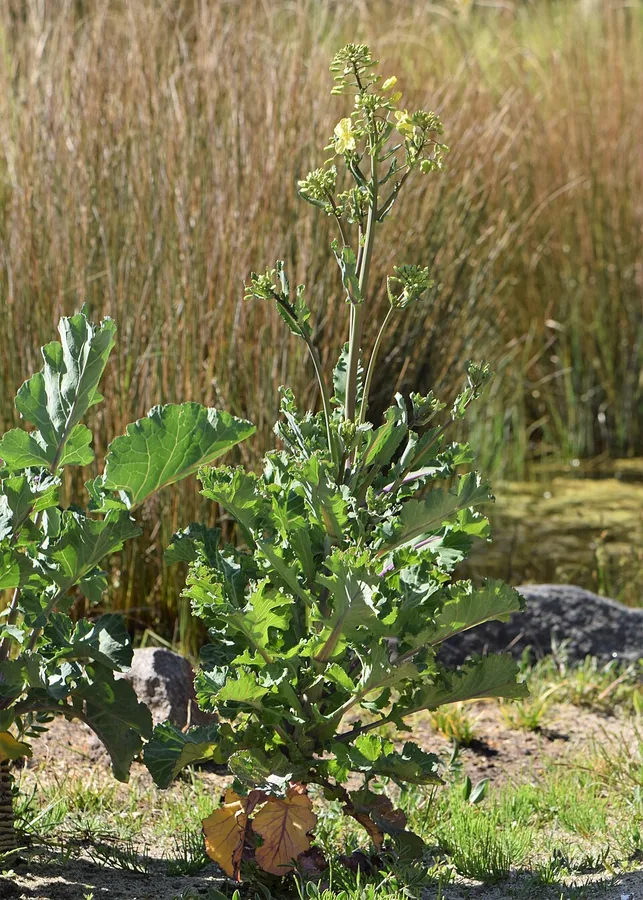
Overview
The beet gives you two harvests from one plant: the swollen, deep-red root below the soil and the broad leafy tops standing above it. It sits in the same family as chard and spinach, and it shares their heavy pigment, the kind that bleeds across a cutting board and stains it red. Gardeners keep coming back to it because it is easy, fast, and forgiving, sized for the kitchen in well under three months.
Think of the beet as a two-in-one crop. Twist a few outer leaves loose for cooking and the root carries on filling out below, then lift that root once it has rounded to eating size. Cool air suits it best, which is why it slots neatly into a spring bed and again into a later sowing for the fall.
Two habits decide how the crop turns out. Thin the crowded seedlings so each root has room to round out, and lift those roots while the flesh is still young and tender. Let either slip and you end up with cramped, lopsided roots or tough, woody ones that fight back against the knife.
Care
The short version: full sun and loose, well-drained soil with a pH near 6.0 to 6.5. Hold the bed evenly moist, thin the seedlings to 2 to 3 inches apart, and lift the roots young at 1.5 to 2 inches across.
Light
Beets size up fullest in full sun, though they will still crop in partial shade where the roots just come along slower. Give them at least six hours of direct light a day for the plumpest roots.
Water
Hold the bed evenly moist from the day you sow to the day you lift. That steady supply is what keeps the flesh sweet and tender, while a dry stretch broken by one heavy soak leaves the roots hard and apt to split open.
Soil
Plant into loose, well-drained loam or sandy soil packed with organic matter, since a tight clay bed squeezes the root and holds it small. They like a pH between 6.0 and 6.5, sitting just on the acid side of neutral.
Temperature
This is a cool-season crop, happiest between 50°F and 77°F (10°C to 25°C). A light frost rolls right off it, and a long summer scorch does far more to turn the flesh woody than any chill.
Humidity
Plain outdoor air suits beets fine, so there is no humidity to fuss over. Airflow counts for more than moisture overhead, because leaves packed close and damp are exactly what leaf spot moves into.
Feeding
Feed once at planting with a balanced, moderate-nitrogen fertilizer, and let a soil test point the way. Hold back on the nitrogen, or the plant pours its energy into lush tops instead of the root, and reach for boron only when a test shows the soil running short.
Pruning
There is no pruning to do. Pick a handful of outer leaves as greens while the root keeps swelling, but spare the central crown so the plant keeps pumping growth down into the root.
Repotting
Not applicable; a direct-sown root crop that is not transplanted.
Size & spacing
A beet stands about 8 to 18 inches (20 to 45 cm) tall with a tidy spread. Thin the seedlings to 2 to 3 inches apart so each root has the elbow room to round out to full size.
When to plant
Beets are a cool-season crop that will not stand being moved, so the seed goes right into the open garden. Lay down the first sowing 2 to 4 weeks before the last spring frost, follow with another in mid to late summer for a fall crop, and lift each batch about 50 to 70 days on.
Northern hemisphere
Southern hemisphere
Typical months for a temperate climate: start earlier in warm zones, later where spring frosts linger.
- Sow: Not recommended; beets do not tolerate transplanting and should be direct seeded.
- Plant: Direct sow about 2 to 4 weeks before the average last spring frost; sow again in mid- to late summer for a fall crop.
- Harvest: Harvest roots at 1.5 to 2 inches in diameter, roughly 50 to 70 days after sowing; larger roots may become woody.
Hardiness
USDA hardiness zones: 2–11
Temperature: down to -46°C
Troubleshooting
Beet troubles fall into two camps: the ones written across the leaves above the soil and the ones tucked inside the root below it. Leaf damage you can read at a glance, while a couple of root disorders stay hidden until you cut one in half. Find your match below, then act before the next sowing goes in.
Brown leaf spots with reddish-purple rims
Small round flecks ringed in dark reddish-purple, each with a pale gray center, mark the start of cercospora leaf spot, the beet's most common disease. The spots measure about an eighth of an inch wide and break out on the oldest, lowest leaves first, then swell and run together once the weather turns warm and muggy. Pull the worst foliage, open up spacing for air to move, and wet the soil rather than the leaves.
Fix:
- Remove and destroy heavily infected leaves
- Improve air circulation with proper spacing
- Avoid overhead watering and wetting foliage
Dark corky spots hidden inside the root
Slice through a root and find the flesh pocked with sunken brown-to-black corky patches, and the cause is boron deficiency, the disorder also called internal black spot or black heart. The cure is precise, so test the soil for low boron before reaching for anything. Add boron only at the dose the test prescribes, because the same element poisons the plant when it runs to excess.
Fix:
- Apply boron only as directed by a soil test result
Pale winding tunnels inside the leaves
Pale serpentine tracks and raised blisters running through the green tissue come from beet leafminer larvae chewing their way between the top and bottom skins of the leaf. Lift an affected leaf toward the light and the small grubs often show as dark shapes inside the mines. Strip off the marked leaves, clear weedy hosts such as lambsquarters, and drape young plants with row fabric to keep the egg-laying flies off.
Fix:
- Pick off and destroy mined leaves
- Remove nearby weed hosts such as lambsquarters
Tough, woody roots that are hard to eat
Once a root swells past roughly 2 inches across and lingers in warm soil, its flesh stiffens into woody, stringy fibre that no kitchen trick can soften. A root that has already gone hard is past saving. Lift them while still small at 1.5 to 2 inches, and start a fresh batch every couple of weeks instead of leaving a crop to age underground.
Fix:
- Harvest younger, smaller roots at 1.5 to 2 inches in diameter
Toxicity
Households with pets and young children can relax around the beet, which is a non-toxic food crop from the leafy tops down to the root. Every part is safe to handle and to eat, and the most it does is tint urine or droppings red for a harmless day. Nothing here calls for a fence or a warning.
Safe for
People · Cats · Dogs · Horses · Rabbits · Livestock · Birds
Cats None
A cat that chews a leaf or gnaws the root takes no harm, since nothing in the beet is poisonous to them. Should one work through a large helping of the dense red root, expect a loose stool that passes on its own.
Dogs None
Dogs handle beet in everyday amounts with no trouble, and the cooked root is a regular ingredient in pet food. Because the flesh is so fibrous, a large serving may bring a short bout of digestive upset.
Horses Safe
Both the leafy tops and the root are harmless to horses, and beet pulp serves as a familiar feed. Cut a whole root into pieces first so it cannot wedge in the throat.
Rabbits Safe
Beet greens and small pieces of the root sit well with rabbits as part of a mixed diet. Those leaves hold oxalates, so offer them now and then rather than every day.
Livestock Safe
Cattle, sheep, and goats can graze the tops and roots without harm, and fodder beet is raised on purpose as feed. Bring the lush greens in gradually so the rumen has time to adjust.
Birds Safe
Backyard hens and pet birds peck at the root and its greens with no ill effect. The deep pigment can briefly stain droppings red, which means nothing is wrong.
People Safe
Both the swollen root and the leafy tops are good to eat and nourishing. For a day the natural pigment can color urine or stool pink, a harmless effect known as beeturia.
Beets are high in oxalates and their betalain pigments can harmlessly turn urine or stool pink or red in people (beeturia); this is a dietary note, not a sign of pet poisoning.
Varieties
Beets run from solid deep-red rounds to roots ringed like a peppermint inside. These are the ones that show up most in home gardens.
Detroit Dark Red
A long-grown heirloom whose round, evenly sized roots come up a deep, saturated red with dependably good flavor.
Red Ace
A strong-growing hybrid known for sweet, tender flesh and a generous head of usable leafy tops.
Chioggia
An Italian heirloom that conceals candy-stripe rings of red and white inside the root and is ready in about 50 to 60 days.
Red Cloud
A round, deep-red hybrid with a smooth skin that growers frequently point to for the home garden.
How to propagate
Seed is the only way beets come up, and they make it easy, with a single quirk worth understanding before the first one goes in the soil.
SeedEasy
Direct sow in spring 2 to 4 weeks before the last frost, or in mid- to late summer for a fall crop. · Germinates in about 5 to 14 days; thin multigerm clusters once seedlings reach 3 to 4 inches tall.
Sow beet seed where it is to grow, because the plant sulks when moved. Tuck each seed ball about half an inch into the soil, 2 to 4 weeks before the last spring frost, with a second round in mid to late summer for fall. The seedlings push through in roughly 5 to 14 days, and since one ball throws up several plants, thin to 2 to 3 inches apart once the cluster reaches 3 to 4 inches tall so the roots can fatten.
Myths
Each beet seed grows into a single plant.
What looks like a single beet seed is usually a multigerm seed ball, a knobby cluster carrying several embryos that all push up together. That is why a neatly sown row emerges in tight little bunches. Thin those seedlings to 2 to 3 inches apart to give each root the space to swell.