Ornamental · Asteraceae
Dusty Miller
Jacobaea maritima
Grow it for the felted silver-white leaves that throw every neighboring color into sharper relief, give it sun and quick-draining soil, and it asks for next to nothing.
Full sun
Every 7–10 days
USDA 7–10
8–24 in · 20–61 cm
Overview
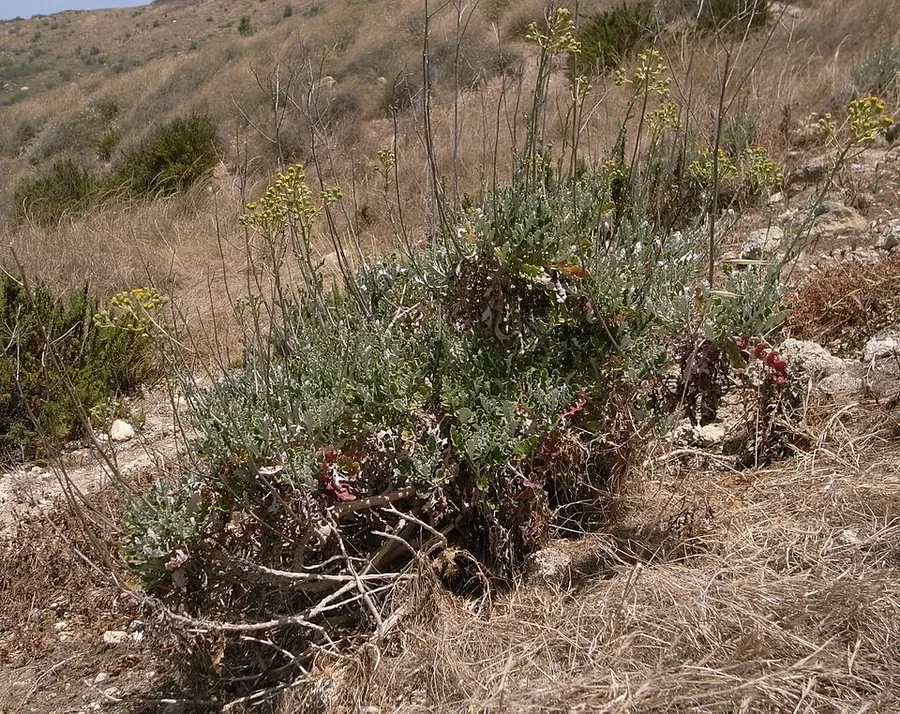
Dusty miller earns its place through its leaves rather than any bloom. The foliage carries a felted, silver-white surface with a soft wooly nap, a cool pale tone that makes the reds, purples, and pinks beside it look crisper. It sits in the daisy family and traces back to the Mediterranean coast, which is the root of both its hunger for sun and its distaste for soggy ground.
It performs as a warm season annual in most gardens, though by nature it is a tender perennial that can persist for years where winters stay gentle. Look for a low, mounding plant standing somewhere between 8 and 24 inches (20 to 61 cm) tall depending on the variety. Some selections wear leaves that are lacy and deeply cut, while others carry broad, rounded silver foliage.
This is an easygoing plant that shrugs off heat and drought once its roots take hold. The single thing it will not pardon is wet feet. Hand it sun and soil that drains freely, pinch it from time to time to keep the silver mound dense, and the color holds from spring straight through to frost.
Care
The short version: full sun and light, fast-draining soil, watered deeply but only after the top half has dried. Pinch the young plants to keep the silver mound dense, and stay light on both water and nitrogen.
Light
Hand dusty miller full sun, ideally 6 or more hours a day, and the leaves stay tight, compact, and brightly silver. It tolerates light shade, but in real shade the stems stretch, the plant flops, and much of that silver tone drains away.
Water
Soak it deeply, then hold off until the top half of the soil has dried before the next drink, which usually falls around every 7 to 10 days. Once settled it handles heat and drought with ease. What it cannot endure is sitting wet, so never let the roots stay soggy.
Soil
Set it in light, well-drained soil of only moderate fertility. It even copes with poor ground, but drainage is the part that counts, since waterlogged soil rots the roots and stems in short order.
Temperature
Dusty miller takes a broad span, from about 10°F to 95°F (-12°C to 35°C), which is why it serves as such a tough bedding plant. It shrugs off a light frost in mild zones but will not pull through a hard freeze.
Humidity
Plain outdoor air suits it fine, so there is no number to track. Airflow matters more than humidity, because crowded, damp foliage is exactly what rust looks for.
Feeding
A monthly balanced feed across the growing season is plenty. Keep the nitrogen restrained, since a heavy hand pushes soft, leggy growth and costs you the compact silver shape you are after.
Pruning
Pinch the young plants to drive them into a bushy, compact mound. Many gardeners also clip off the flower buds so the plant funnels its energy into foliage. In mild zones, cut frost-damaged growth back to the crown and fresh leaves return in late spring.
Size & spacing
Plants build up 8 to 24 inches (20 to 61 cm) tall and spread close to as wide. Set them roughly 12 inches (30 cm) apart so air slips freely between the silver mounds and rust stays away.
When to plant
Most gardeners run dusty miller as a frost-tender annual. Start the seed indoors in late winter, move the plants out once the cold lets go, and the silver foliage carries right through to fall. The small, dull summer flowers add little, so most growers simply snip them off.
Northern hemisphere
Southern hemisphere
Typical months for a temperate climate: start earlier in warm zones, later where spring frosts linger.
- Sow: 10 to 15 weeks before the last spring frost; surface sow and do not cover seed as light aids germination at 68 to 77°F
- Plant: After all danger of frost has passed, spacing about 12 inches apart
- Harvest: Grown for silver foliage; insignificant cream to yellow daisy-like flowers may appear in summer and are usually removed
Hardiness
USDA hardiness zones: 7–10
Temperature: down to -18°C
Troubleshooting
Give dusty miller sun and dry roots and it stays out of trouble. When a problem does surface, it nearly always traces back to too much shade or too much water. Match what you see below and treat the cause behind it, not just the symptom on the surface.
Drooping plants with dark, softened stem bases
Waterlogged soil triggers root and stem rot, and nothing tests a dusty miller's patience like wet feet. The base of the stem turns dark and spongy while the roots go brown and slippery. Open up the drainage, cut back how often you water, and move any survivors into light, fast-draining soil.
Fix:
- Improve drainage and reduce watering frequency
- Remove severely affected plants
- Replant in light, well-drained soil
Raised orange-to-brown bumps speckling the leaf surface
Those raised bumps are rust, a fungus that settles in when foliage stays damp and packed together. Strip off the spotted leaves and throw them out, open up the spacing between plants, and keep water off the leaves by aiming it at the soil.
Fix:
- Remove and destroy affected foliage
- Improve air circulation by spacing plants
- Avoid overhead watering
Bare, elongated stems showing wide gaps between the silver leaves
What you are looking at is legginess, and a shortage of sun is nearly always behind it. A heavy nitrogen feed drives the same soft, drawn-out stems. Shift the plant into full sun, pinch the growing tips so it breaks into side branches, and back off the fertilizer.
Fix:
- Move or plant in full sun (6+ hours)
- Pinch back stem tips to force branching
- Reduce nitrogen feeding
Toxicity
This is not a plant for ground where animals graze. Every part holds pyrrolizidine alkaloids, the same liver-damaging compounds carried by ragwort, and they stack up dose by dose rather than clearing out. A curious pet that takes a single bite usually walks away with a mild stomach upset, but horses and livestock eating it over time face genuine harm. Nothing on this plant is meant for eating.
Toxic to
Cats · Dogs · Horses · Rabbits · Livestock · Birds · People
Cats Mild
One nibble on the felted leaves tends to bring on some drooling or a single bout of vomiting and not much more. The lasting worry is the slow liver damage that mounts if a cat keeps returning to the plant, so set it where paws cannot reach.
Dogs Mild
A dog that chews a silvery leaf usually escapes with a mild stomach upset. Keep an eye out for repeat visits, since the alkaloids lodge in the liver and accumulate over time.
Horses Severe
Horses carry the highest risk here. The toxin piles up in the liver with every mouthful and leads to weight loss, weakness, jaundice, sunburned skin, and strange behavior such as wandering with no aim or pressing the head against a wall. Keep it well away from paddocks and hay.
Rabbits Caution
The same liver-damaging alkaloids sit in every part, so never offer dusty miller as forage. A curious rabbit that samples a small piece is unlikely to be harmed, but it has no place in the hutch.
Livestock Severe
Cattle, goats, and sheep face the gravest danger because they graze the plant or eat it dried in hay, where the bitter taste fades away. Repeated feeding pushes toward liver failure, weight loss, and photosensitive skin, so keep it clear of pastures and stored feed.
Birds Caution
Count dusty miller as off-limits for pet birds and poultry. The pyrrolizidine alkaloids that harm mammals are no kinder to a bird's liver, so never let it become a snack.
People Caution
No part of this plant is raised for the table. Eating it in any amount can strain the liver thanks to those same alkaloids, so keep it out of the kitchen and away from small children who taste-test the garden.
Keep grazing animals away; pyrrolizidine alkaloids accumulate in the liver and cause cumulative damage with repeated ingestion. Greatest danger is to horses and livestock eating green plant material or contaminated hay over time.
Helpline numbers

United States
ASPCA Animal Poison Control: (888) 426-4435 (fee applies)
Poison Control: (800) 222-1222



Canada
Poison Centres: 1-844-764-7669
Varieties
Almost all dusty miller on offer is one of a handful of named selections, sorted mainly by leaf shape and final height. These are the ones most likely to turn up at the garden center.
Silver Dust
The most widely planted of the group, a tidy 10 to 12 inch plant valued for its lacy, deeply cut silver-white leaves.
Cirrus
A lower 8 inch mound that drops the usual lacy fretwork in favor of broad, rounded, undivided silver leaves.
New Look
A compact 10 inch selection carrying large, broad, felted leaves that read as solid silver from across the bed.
Candicans
The tallest of the bunch at 16 to 24 inches, holding big lobed leaves on a fuller frame.
How to propagate
Raise dusty miller from seed each spring, or root cuttings to carry a favorite silver plant through a cold winter.
SeedModerate
Start indoors 10 to 15 weeks before the last spring frost; surface sow without covering at 68 to 77°F · Germinates in about 2 weeks; transplant outdoors after frost danger passes
Get seed going indoors well ahead of time, around 10 to 15 weeks before your last frost. Light triggers germination, so press each seed onto the surface and leave it bare, keeping the tray steady at 68°F to 77°F (20°C to 25°C). The first sprouts appear in roughly two weeks, and the young plants head outside once frost danger has passed.
Stem cuttingsModerate
Take cuttings in fall to overwinter under glass in cold climates · Several weeks to root
Cuttings are the way to hold onto a plant where winters bite. Take them in fall and root them under glass, a process that runs several weeks, then nurse the young plants through to spring instead of leaving frost to claim the parent.
Myths
Dusty miller is only a threat to livestock and stays perfectly safe around cats and dogs.
Every ragwort and Senecio relative carries pyrrolizidine alkaloids, which is why the plant lands on the toxic list for cats, dogs, and horses alike. A pet's risk is smaller and usually ends at a mild stomach upset, yet it is not a non-toxic plant, and steady nibbling still wears on the liver.
The bitter taste means animals will always steer clear of dusty miller.
Fresh foliage is bitter enough that most animals walk past it when better food is on offer. That protection collapses once forage thins out or the plant turns up dried in hay, where the bitter edge fades and horses stop reliably refusing it.