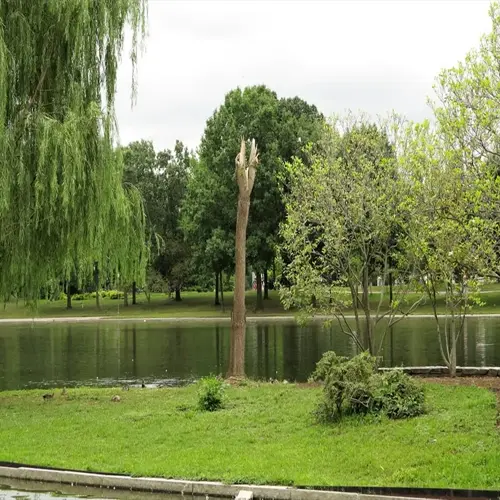

I planted a bald cypress in the damp back corner of my Zone 7 Virginia yard years ago. Now I stand at the kitchen window each November and watch it turn copper-orange. Twenty feet over, the 'Leighton Green' Leyland screen I planted along the fence stays solid green through the same week. One name, two trees that could not look less alike.
That contrast is what makes special cypress trees worth knowing. The thing that sets them apart is rot-resistant wood, and a few of them drop their needles like a maple does. So the word cypress covers very different plants. The best cypress tree facts start with telling them apart, and that is where you should start too.
The heartwood is the real headline. True cypress wood holds an oil called cypressene, and that oil fights decay, insects, and water damage for decades. Old growth boards have framed barns and docks for over 100 years without rotting. That is why people once called bald cypress the wood eternal. If you ever find reclaimed cypress siding, grab it.
You can see that toughness in the trees that still stand. Some bald cypress in southern swamps date back more than a thousand years. They shrug off floods, hurricanes, and rot that would kill an oak. So when you plant one, you are starting a tree that may outlast your house by centuries.
Here is the part that surprises most people. Bald cypress and pond cypress are deciduous conifers, so they grow needles like a pine but shed them every fall. You get the rusty color show, then bare branches all winter. Italian cypress goes the other way with a tall, narrow, columnar form that looks like a green exclamation point against the sky.
Bald Cypress
- Lifespan: Lives 400 to 600 years in the wild, with some swamp giants pushing well past that mark.
- Size: Grows to about 100 feet (30 m) tall over a long life, with a wide buttressed base.
- Knees: Sends up woody roots called knees that range from a few centimeters to over 12 feet (3.6 m) in deep swamps.
Italian Cypress
- Shape: Keeps a slim, columnar form that needs almost no width, so it fits tight spots.
- Climate: Loves dry heat and full sun, which makes it a staple of Mediterranean gardens.
- Use: Works as a vertical accent or a privacy line where you have height but little room.
Leyland Cypress
- Speed: Adds 3 to 4 feet (1 m) of growth a year, so it screens a yard fast.
- Foliage: Stays green all winter, which keeps a fence line solid when other trees go bare.
- Care: Needs room and airflow, since crowded plantings invite needle blight.
Those knees draw the most questions when friends visit my yard. They are part of the bald cypress features that let the tree breathe and stand firm in soggy ground. Botanists still argue over their exact job, but the leading idea is anchoring the trunk in soft, wet soil where most trees would topple over. If you have a tidy lawn, plan for these, because you cannot mow over them.
Wet tolerance is the trait that splits the group. Bald cypress will grow with its roots underwater for weeks, while Italian cypress rots if the soil stays damp. So you cannot treat all special cypress trees as one plant and drop them in the same spot. The label hides a huge range of needs, and your site decides which one will thrive for you.
Pick your cypress by its standout trait, not by the shared name. Want a tree for a wet low corner that floods? Go bald cypress. Need a narrow vertical accent in dry sun? Italian. Want a fast green screen along a fence? Leyland, with space to breathe. Match the trait to the spot and the tree will thank you for years.
Read the full article: Cypress Trees: Types, Care, and Common Problems