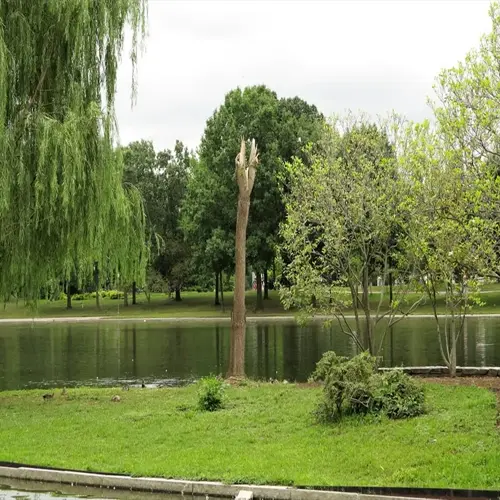

No, cypress trees do not need wet or boggy soil. This is the part of cypress soil needs that trips up most gardeners. A bald cypress growing on an ordinary suburban lawn looks just as healthy as one standing at the edge of a swamp. The tree handles both, but it does not depend on the water to live a long life.
The swamp picture is what fools people. You see those knobby roots poking out of the water in photos and assume the tree wants its feet soaked all year. It does not. The truth about bald cypress wet soil is simpler than the postcards suggest. The tree puts up with flooding because it can, not because it craves it.
Here is the key split that answers the whole question. Bald cypress tolerates standing water but does not require it. Most other cypress feel the opposite way. Italian cypress, Leyland cypress, and the tall columnar types want dry, airy roots. You see these planted along driveways and walls. Park them in a bog and they sulk, then they rot. They resent wet feet the same way a cactus would.
The range tells the story too. Bald cypress grows across USDA zones 5 to 10 in plain upland soil, far from any marsh. You will spot plenty of healthy ones on dry city streets and in front yards. So when you read that this tree loves water, read it as can survive water. Normal garden ground suits your tree fine and often grows it faster.
Drainage is where real damage starts. Well-drained soil cypress care comes down to one rule, which is letting roots breathe between waterings. Soggy sites that never dry out invite Phytophthora root rot, a soil fungus that kills cypress of every kind. Even a bald cypress can lose the fight if the ground stays airless and waterlogged for months on end.
You can spot trouble before the tree dies. Watch for yellowing needles, thin canopy growth, and a sour smell when you dig near the base. These point to roots drowning in standing water. Pull the soil back and check that water drains within a day after rain. If it pools, add coarse grit or build a raised mound. Good airflow underground saves more trees than any fertilizer you could buy.
A quick test settles most of your doubts before you plant. Dig a hole about a foot deep and fill it with water. Watch the clock as it drains. If the water sits there past a full day, you have a drainage problem on your hands. That is fine for a bald cypress in a damp corner. For any other cypress, fix the soil first or pick a drier spot in the yard.
Building good ground is easier than people think. Mix in compost and coarse sand to break up heavy clay so water moves through. A planting mound that sits six inches above the lawn keeps the root crown dry even after heavy rain. This covers the basic cypress soil needs for almost any yard. You do not need a swamp or a special bog. You need soil that holds a little moisture and then lets the rest run off.
Match the species to the spot and you avoid the whole problem. Do you have a low corner that floods after storms or stays damp near a pond? That is the one place a bald cypress shines, so plant it there and let it do its thing. Give every other cypress well drained ground and water it only when the top few inches go dry. Pick the right tree for the site, and your soil question answers itself.
Read the full article: Cypress Trees: Types, Care, and Common Problems