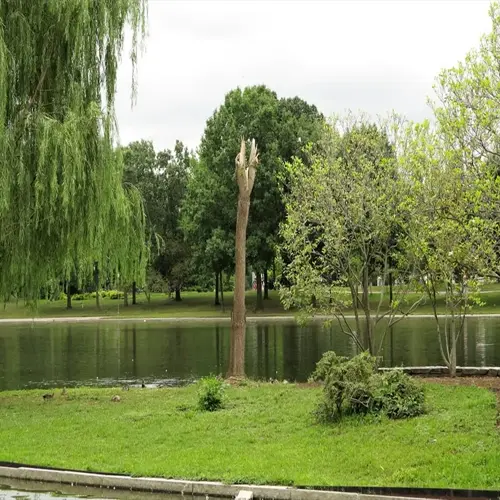

I planted a bald cypress in my own back corner in Zone 7 Virginia, and it stood bare and silver-gray through a hard January freeze. It looked dead for weeks. Then it flushed soft green again that spring, right on time. A friend's Italian cypress farther north browned out the same winter and never came back.
That gap is your whole answer. Yes, cypress trees can grow in cold winter climates, but only the right ones. The most cold hardy cypress for your yard is bald cypress, and it shrugs off freezes that kill its cousins. Cypress winter hardiness swings hard from one species to the next. So the name on the tag tells you little until you check its rating.
Bald cypress is the toughest by a wide margin. You can grow it across USDA zones 5 to 10, which covers most of the country north to the Great Lakes. Mature trees take winter lows near minus 20°F (minus 29°C) without harm. They drop their needles in fall, so a deep freeze finds your tree dormant and ready to ride it out. That makes it the easy pick for a cold yard.
Leyland cypress sits in the middle. It holds up to about zone 6, which means you can trust it down to winter lows around minus 8°F (minus 22°C). Below that, your risk climbs fast. Leyland keeps its foliage all winter, so it has no dormant trick to lean on. When hard cold and wind hit at once, the tree takes the full hit.
Italian cypress is the soft one. It needs zones 7B to 11 and sulks in real cold. A single hard freeze can brown your whole tree, just like my friend's up north. So if your winters dip below the low teens, skip it outdoors. Grow it in a pot you can wheel into a garage instead.
Wind does as much damage as the thermometer here. Leyland cypress suffers winter burn on exposed, windy sites. The cold air pulls moisture from the needles faster than frozen roots can replace it. You see this as brown, dried-out patches on the windward side of the tree by late winter. Michigan State University ties this needle browning to dry fall soil. So water your Leyland well into late autumn, before the ground locks up for the season. A thick mulch ring helps your roots hold what water they have.
Check your own number before you buy any tree. You can look up your USDA zone by ZIP code in a minute. That one figure rules out the wrong cypress for good. Match the tree to your cypress hardiness zones and you skip the slow heartbreak of a plant that limps along and dies in its third winter. If your yard sits right on a zone line, drop down a number and buy the hardier tree. A young cypress also needs a year or two of root growth before it can shrug off a deep freeze, so give a new planting some wind cover for its first winter.
So here is your short plan for a cold yard. Plant a cold hardy cypress like bald cypress and stop worrying, since it takes whatever your winter throws at it. Want a fast green screen in zone 6? Go with Leyland, but tuck it behind a fence or building that blocks the worst wind. Leave Italian cypress for warm regions, or for a pot by your sunny door. Pick by your zone, not the looks, and your cypress will green up every spring for decades.
Read the full article: Cypress Trees: Types, Care, and Common Problems