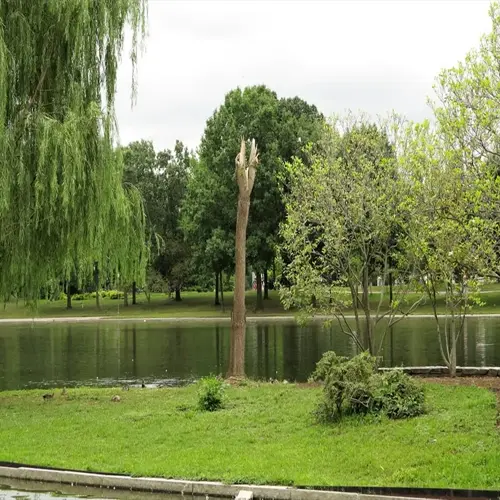

The bald cypress I planted six years ago sits in the damp back corner of my Zone 7 Virginia yard, right by the fence. It has never lifted a path or pushed against the fence footing. The trunk has thickened and the crown has filled in, yet the ground around it stays flat and intact. The thing I watched most closely was not the roots at all. It was how wide the canopy would spread over that corner.
For most yards, cypress tree roots are not a real threat to foundations. These roots tend to grow shallow, fibrous, and tidy rather than ramming through concrete or pipe. You can plant with far less fear than you would for a silver maple or a willow. The bigger question is rarely the roots and almost always the mature size of the tree above them.
Take the cypress roots foundation worry head on. UF/IFAS rates Italian cypress roots as not a problem for foundations, which lines up with what most homeowners see in the ground. Cypress tree roots follow water and soft soil, and they rarely have the force to crack a sound footing. A healthy footing pushes back, and the root simply grows around it. What actually crowds a house is the trunk and crown growing into the space over many years.
So the real risk is height and spread, not invasive roots. A young cypress in a one-gallon pot looks harmless next to a wall. You set it down, step back, and it seems to fit fine. Give it fifteen or twenty years and the story changes fast, depending on which type you chose. The roots stayed put. The tree grew up and out, and that is where the trouble starts.
Your planting distance from house should match the mature width, not the size in the pot. A Leyland cypress can reach nearly 50 feet (15 m) wide, so it belongs well out in the open yard. An Italian cypress stays near 3 feet (0.9 m) wide and slips into tight spots with ease. Pick the species first, then set your spacing to fit its full grown form. The difference between those two numbers is huge, and it decides everything about where you dig.
Keep any large cypress well back from buildings, fences, and walkways. A simple rule is to plant so the mature crown clears the wall with room to spare, then add a buffer for branches that lean toward the light. You want clear air between the grown canopy and your siding, not branches scraping the gutters. This single choice does more for your foundation than any root barrier ever could. Map out where the tree ends up at full size, then plant for that day, not for the small thing in your hand now.
One more siting note matters here. Avoid soggy, low spots right against a foundation, even though many cypress love wet ground out in the yard. Standing water beside the house encourages root rot and keeps the soil soft against your footing. Soft, wet soil is the one place where roots can shift and settle in ways you do not want near concrete.
Walk your yard after a hard rain and watch where the water pools. Those low, slow-draining pockets near the wall are the spots to skip. Plant your cypress where the soil drains well, give it the full width its species needs, and you will rarely think about the cypress tree roots again. Match the tree to the space above ground, and the part below ground stays a non-issue.
Read the full article: Cypress Trees: Types, Care, and Common Problems