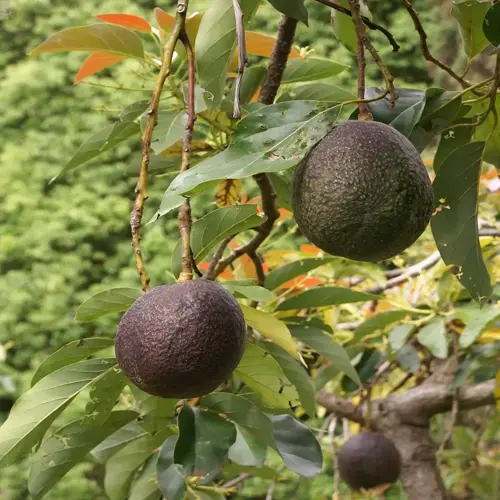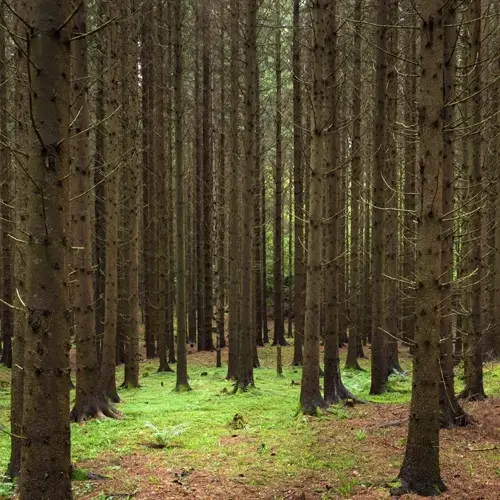

A fruit tree not producing usually comes down to five things. The list is short: no pollination partner, too little sun, frost that killed the blossoms, a tree that is too young, or too few winter chill hours. The good news is that you can check each cause yourself in an afternoon. Most of the time the fix is simple once you spot the problem.
My Toka plum covered itself in pink flowers one spring in my Zone 6 yard. From the kitchen window the whole tree looked like a cloud. Then a late frost rolled in overnight and turned those open blooms brown. I lost the whole crop but four small plums that year. Frost on open blossoms is one of the most common reasons a healthy, blooming tree still gives you almost nothing.
If your tree blooms but never sets fruit, a pollination failure is the first thing to rule out. Many apples, plums, pears, and sweet cherries are self-unfruitful. That means they need pollen from a second, different variety nearby. Iowa State Extension says that partner tree should sit within 50 to 100 feet so bees can carry pollen between them. Plant the wrong pair or no pair at all and you get flowers every spring with no fruit behind them.
Light is the next thing to check, and it trips up more gardeners than they expect. Fruit trees need 6 to 8 hours of direct sun each day to set a real crop. UNH Extension notes that trees in too much shade grow leggy with few flowers. A tree planted near a house, fence, or larger shade tree may look fine while it quietly starves for light. If yours sits in shade for half the day, that alone can explain the no fruit problem.
Work through the causes in this order: pollination partner, sun hours, late frost, tree age, then chill hours. Fixing the easy ones first saves you from replacing a tree that just needs more time.
Spring frost is the sneaky one because the tree looks healthy and even blooms on schedule. The trouble is timing. Open flowers and tiny new fruit get damaged at around 28°F (-2°C), so one cold night during bloom can wipe out the whole crop. You can protect a small tree by draping an old sheet over it when a late frost is in the forecast. Pull the cover off in the morning once temperatures climb back up.
Age matters more than most new growers think. A tree planted last year is not lazy, it is just young. Bearing age changes a lot by species and rootstock. A dwarf apple may fruit in 2 to 3 years, while a standard pear or a seed-grown tree can take 5 to 10 years to settle in. If your tree is young, healthy, and growing well, the honest answer is to give it more time.
The last cause is chill hours, which catch people who plant the wrong variety for their climate. Most temperate fruit trees need a set number of hours below 45°F (7°C) in winter to break dormancy and flower well. Plant a high-chill apple in a mild winter region and it may never get the cold it needs, so it leafs out late and barely blooms. Check the chill requirement before you buy and match it to your area.
Walk the list in order the next time your tree skips a season. Make sure a partner tree stands close by. Then count its daily sun hours. Then think back to whether a late frost hit during bloom. If all three check out and the tree is still young, the wait is the only real cause left. Patience fixes more bare branches than any spray or fertilizer ever will.
Read the full article: Fruit Trees: Beginner Guide to Growing