
The trouble with planting near black cherry is two-fold. Fallen leaves can poison grazing animals, and a wide, shallow root mat steals water from your soil. So keep grazed pasture out from under the crown. And skip sun-loving, shallow-rooted plants that cannot fight the roots and summer shade. Your best black cherry companion plants are tough, shade-friendly natives that need a little less moisture. Pick those and you sidestep both problems at once.
Start with the danger to your livestock, because it carries real weight. Black cherry leaves turn deadly as they wilt. That happens after a storm snaps a limb or you prune one off. The wilting builds cyanide, and a small mouthful can kill a cow, horse, or sheep. So do not site the tree over a field where your animals graze. Penn State Extension warns about this same risk on working farms. If you keep stock, this is the rule you cannot bend.
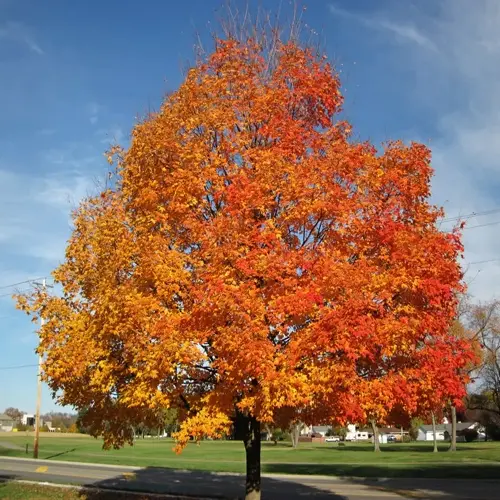
Now the black cherry roots competition that hurts your other plants. The roots run wide and stay near the surface. They drink up most of the water in the top layer of your soil before deeper roots get a turn. The crown spreads to about 30 to 60 feet across at full size. That oval canopy throws steady shade all summer. So your heat-loving crops and thin lawn grass both fade right under the tree.
This rules out a lot of the plants you want most. Tomatoes, peppers, and squash all need full sun and rich, even moisture. They sulk in the shade and dry root zone, and you get a weak harvest. Your turf grass thins to bare dirt as the surface roots win the water. Drought-loving plants struggle too, since the tree holds moisture down deep instead of letting the ground dry out. You may also notice that young plants set out in spring fade by midsummer once the leaves fill in. The shade that felt light in May turns heavy by July. Match your plant to the spot, not the spot to the plant.
- Grazed pasture: Do not grow it over grass where cattle, horses, or sheep feed, since dropped wilted leaves are lethal in small amounts.
- Sun-loving vegetables: Skip tomatoes, peppers, and other heat lovers beneath the crown, where summer shade weakens them.
- Shallow-rooted lawn: Expect turf to thin under the tree as its wide surface roots claim the moisture first.
- Plants needing dry soil: Avoid drought-demanding plants nearby, since the tree favors and holds moisture in the root zone.
So what does belong there? Reach for shade-tolerant native understory plants that already grow under forest trees. Wild ginger, foamflower, and woodland sedges handle the shade and share the soil without a fuss. These make far better black cherry companion plants than any sun crop you might try. Plant them past the trunk but inside the leaf litter, where your soil stays cool and damp. You give the tree the look of a real woodland floor, and the plants ask for very little from you. Water them well the first season so the roots take hold. After that, they get by on rain and the shade the tree gives them.
Keep two firm rules and you avoid most problems. First, keep all your grazing animals well clear of the tree and its dropped leaves. Second, push your vegetable beds and lawns out past the drip line, the edge where the branches end. Past that line the roots thin out and more sun gets through to your plants. Give the tree room, pick shade-friendly natives, and both the tree and its neighbors do well. You get a healthy tree and a planting plan that actually works.
Read the full article: Black Cherry Tree: Growth, Wildlife, Safety