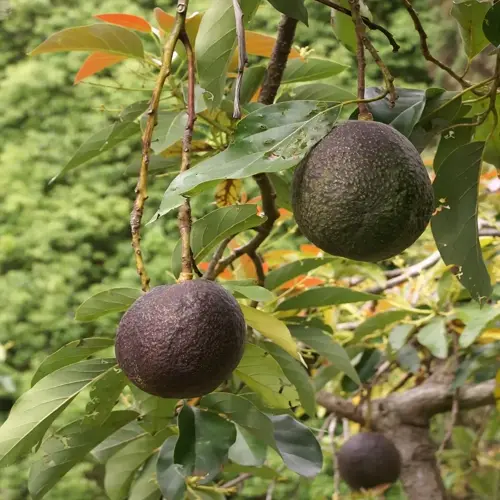

A self-fruitful, disease-resistant tree is the easiest fruit tree to grow because it skips the two things that sink most new growers. You don't need a second tree nearby for pollination, and you don't have to spray every few weeks to keep the fruit clean. Take away those two jobs and the tree mostly looks after itself. That is why the best beginner fruit trees are the ones that already solve both problems for you.
Missing pollination and constant spraying are the failure points that catch people first. A tree that needs a partner will flower in full. Then it drops every bloom if no matching variety grows close by. A tree with no built-in disease resistance turns into a spray schedule you have to keep all season long. Pick a tree that handles both, and your real work drops to watering, a little pruning, and picking the fruit. None of those jobs ask much from a beginner, and you can learn them as you go.
This is where self-fruitful trees earn their place. Self-fruitful means a single tree can set a full crop with its own pollen, so you only plant one and still get fruit. Tart cherries, most peaches, and European plums all fruit on one tree, according to Iowa State Extension. That solves the partner problem on its own. You skip the guesswork of matching bloom times and chill needs between two varieties. For a first-timer, that match is one of the hardest parts of fruit growing, so it helps to dodge it from the start.
Here are the picks I steer beginners toward, and why each one stays simple.
A dwarf apple on disease-resistant rootstock is my top pick for most yards. It stays small enough to prune and pick from the ground, and it starts fruiting in just 2 to 3 years instead of the five or more a full-size tree needs. Tart cherry is the toughest of the group and shrugs off cold winters. Peach gives you a fast crop and needs no partner. European plum is steady and low-fuss, and a fig is hard to beat in mild climates where winters stay gentle.
Variety choice does as much work as the type of tree. Choose a scab-resistant apple like Liberty or Enterprise and you cut out the main reason apple growers reach for the sprayer. If you want a pear, pick a fire-blight-resistant one so a single warm, wet spring doesn't wipe out the branches. These resistant varieties cost the same as the fussy ones at the nursery, so there is no reason to plant a tree that will fight you for years.
The day-to-day care on these trees stays light. Water deeply once a week through the first two summers while the roots settle in. Prune once a year in late winter to open up the center and let air move through the branches. Good airflow keeps leaves dry, and dry leaves fight off most of the fungus that bothers fruit trees. A ring of mulch holds moisture and keeps weeds back, and that is close to the whole routine for a young tree.
Match the tree to your local climate and you remove the last big risk. A peach planted where winters drop too low will bloom early and lose its flowers to a late frost, no matter how well you tend it. Check your USDA zone first. Then ask a nearby nursery or extension office which of these trees does well in your area. Plant a self-fruitful, disease-resistant pick that fits your zone, and you give yourself the simplest possible start with real fruit to show for it.
Read the full article: Fruit Trees: Beginner Guide to Growing