
Introduction
The water hyacinth wears two faces at once. Gardeners love it as a pretty floating aquatic plant with purple blooms. Water agencies fight it as one of the world's worst invasive weeds. The same plant that softens a backyard pond can choke a whole lake. Where it floats decides which face you see.
The reason for that split comes down to speed. A single mat can double in size in as little as 7 days, and one hectare can churn out up to 450 tonnes of plant material. Florida felt this firsthand. Coverage there once topped 120,000 acres before steady management cut it back to about 2,000 acres. Few plants on earth grow this fast, which is why it spreads across more than 50 countries today.
This invasive aquatic plant goes by the name Eichhornia crassipes. It came to the United States at New Orleans in 1884 as a pretty pond flower. That one move set off more than a century of trouble. But the same traits that make it a pest also make it useful. So both pond owners and state agencies have good reason to care.
Most pages about this plant pick a side. Pond-care blogs cover planting and looks, while invasive-threat sites cover damage and control. This guide bridges both sides with hard, sourced data that the thin competitor pages leave out. You will see why water hyacinth is at once a gift and a real problem, and how to handle whichever one floats in your water.
What Is Water Hyacinth?
Water hyacinth is a free-floating aquatic plant that drifts on the surface of ponds, lakes, and slow rivers. It sends down no anchor into the mud. The whole plant rides on top of the water, roots and all, and the wind pushes it from one bank to the other.
The scientific name is now Pontederia crassipes. For years it was called Eichhornia crassipes. You will still see that old name on plenty of plant labels and websites. The plant is a perennial from the Amazon basin of South America. It comes back year after year in warm water and just keeps growing.
Spotting one is simple once you know the four parts. The leaves are round, thick, and glossy green, and they grow in a tight rosette. Below them sit feathery, dark roots that hang straight down into the water like a fine purple-black beard. When the plant blooms, it pushes up a single spike of pale lavender flowers, each with six petals and a yellow blotch on the top one.
The trick to fast aquatic plant identification is the leaf stalk. Each leaf rides on a swollen, air-filled stalk called the bulbous petiole. These spongy stalks act like little floats and keep the plant up on the surface. Squeeze one and it gives like a balloon, because the inside is packed with air pockets.
Picture a small floating bouquet sitting on the water. The rosette of round glossy leaves forms the cluster, and the fat spongy stalks hold it all up like a stand. That bouquet shape is your quickest field clue when you scan a pond from the bank.
People often mix up water hyacinth with water lettuce and frogbit, two other floating plants you find in the same ponds. The swollen leaf stalk and the lavender bloom set water hyacinth apart from both. We break down each look-alike side by side later in the guide so you can tell them apart with one quick glance.
How Fast It Grows
Most pond blogs hand you a vague doubling time of one to two weeks and leave it there. The peer-reviewed number is sharper. In warm, ideal water a water hyacinth mat can double in as little as 7 days. One hectare can pump out up to 450 tonnes of fresh growth in a season. That is the speed you are up against.
Three starter plants in a half-barrel water garden on my sunny back patio turned into a wall of green by July. I bought them one spring as tidy little rosettes with room to spare between them. By midsummer the spongy leaves crowded shoulder to shoulder. They climbed over the rim. I had to scoop fistfuls out every weekend just to see water again, and they never stopped pushing out new plants.
That speed comes from two engines you cannot easily stop. The plant spreads by stolons, thin runners that clone the parent into fresh rosettes within days. It also sets seeds that drop into the mud and wait. This water hyacinth growth rate is part of why agencies treat the plant as a runaway. Some even call it the fastest growing plant you can put on the water.
Heat sets the pace. Optimum growth happens around 77 to 86°F (25 to 30°C), so a calm spring planting becomes a thick summer mat once the water warms. The timeline below maps that warm-season surge across one growing season, from a slow cold start to peak doubling in the heat.
Early spring
New or overwintered plants sit small and slow while water stays cold below about 68°F (20°C).
Late spring
Warming water near 77°F (25°C) triggers fast runner growth as each plant sends out stolons that clone new rosettes.
Summer
In peak heat a mat can double in as little as 7 days, with lavender flower spikes opening across the surface.
Fall
Growth slows as nights cool, and plants set seeds that can stay viable in sediment for up to 20 years.
Winter
Hard frost kills floating plants outright, though warm climates and protected water let mats persist year round.
The seeds are what make this water hyacinth spread so stubborn. Pull and bag every floating plant, and you still have not won. Buried seeds can stay viable in sediment for up to 20 years, so a pond you clear today can restart from its own mud two decades later. That seed viability is why eradication takes patience and a plan, not one good cleanup.
Pulling a mat does not end the problem. Seeds resting in the mud below can sprout for up to 20 years, so a cleared pond often regrows from its own seed bank.
Why It Is So Invasive
The same fast growth that makes this plant fun to keep also makes it a problem. Leave a small patch alone and it becomes a thick green carpet. That carpet seals off the water below. So water hyacinth invasive species warnings show up on state weed lists. Scientists also rank it among the world's worst invasive weed threats on Earth.
Think of a heavy mat as a sealed lid laid over your pond. Sunlight cannot reach the plants underneath. Air cannot mix into the water either. The floating layer thickens into monotypic mats. Levels of dissolved oxygen then crash. And fish kills follow once that oxygen runs out. The calm, shaded water beneath the lid also makes a perfect nursery for mosquitoes.
Here is how each harm plays out, paired with the hard numbers behind it.
Oxygen depletion and fish kills
- Mechanism: Dense mats block air and light at the surface while decaying plants consume oxygen, dropping dissolved oxygen low enough to suffocate fish.
- Scale: One acre of water hyacinth can deposit as much as 500 tons of rotting plant material per year on a waterway bottom.
- Result: Native fish and aquatic life decline sharply as the water beneath a mat becomes a low-oxygen dead zone.
Lost biodiversity and native plants
- Mechanism: Mats form monotypic stands that crowd out native submerged and floating plants by stealing the sunlight they need.
- Scale: Florida coverage once topped 120,000 acres of public lakes and rivers before management cut it to about 2,000 acres.
- Result: Whole stretches of water shift from diverse native habitat to a single dominant weed.
Blocked navigation and flooding
- Mechanism: Floating mats clog channels, jam boat traffic, and can dam narrow waterways, raising local flood risk.
- Scale: Within 15 years of its 1884 arrival, water hyacinth so impeded navigation that Congress authorized the Army Corps of Engineers to intervene.
- Result: Transport, fishing, and water treatment all carry higher costs where mats spread.
Disease and pest habitat
- Mechanism: Calm, shaded water under mats creates ideal breeding conditions for mosquitoes and disease-vector snails.
- Scale: Researchers found a strong statistical link between cholera cases in Kenya's Nyanza Province and annual water hyacinth cover on Lake Victoria.
- Result: Public health risks rise alongside the ecological and economic damage.
The damage does not stop when the plant dies. One acre of water hyacinth can drop as much as 500 tons of rotting plant matter onto a waterway bottom in a single year. All that decay fouls your water. It also smothers the habitat that fish, snails, and bugs need to survive.
The economic impact is just as steep, but the flip side will surprise you. A Louisiana control program ran from 1975 to 2013. It cost near $124 million to run. Yet it gave back roughly $4.2 billion in benefits. Anglers, boaters, hunters, and water plants all gained. That is a payback close to 34 to 1. Without the biological control in that work, peak plant cover would have run about 76% higher.
The aggregate costs of $124 million were an order of magnitude smaller than the $4.2 billion in benefits generated in the 38 years of our dataset.
Is It Legal To Grow?
Before you buy a single plant, ask one blunt question: is water hyacinth illegal where you live? The answer changes by state, and getting it wrong can cost you a fine. The federal sale ban was repealed back in December 2020, but that did not throw the doors open. State rules still apply, and they override the federal change every time.
Florida shows you why the rules stay so strict. By the early 1960s this plant covered more than 120,000 acres of public water across the state. Today you cannot even keep it in Florida without a water hyacinth permit. Many other states list it as a noxious weed or an invasive aquatic plant, so it sits on their banned states list outright.
Here is the part most people miss. Legal in your state does not mean safe to release. Escaped pond plants are exactly how the big infestations start, and one warm summer is all it takes for a few plants to choke a creek. The European Union saw enough damage that it banned the plant outright back in 2016.
I pulled two full buckets of extra plants from a backyard pond one August, and the spread was no joke. So handle legal disposal like it actually matters, because it does. Never dump unwanted plants into a lake, river, or storm drain. Let the extras dry on land first, then compost them or bag them with your regular trash.
Beneficial Uses
The same runaway growth that makes this plant a menace also makes it a cheap, fast-renewing raw material. A weed that doubles in a week never runs short. That flips a costly disposal problem into a free feedstock you can harvest again and again.
The best water hyacinth uses lean on hard research, not wishful thinking. Harvest costs little. Collecting the biomass takes only about 6.8% of the energy that biomass holds. So almost everything you pull from the water is yours to keep and put to work.
Four uses stand out, and each rests on solid numbers. The plant cleans dirty water through phytoremediation. It feeds digesters that make biogas. It works as animal feed for fish and cattle. And it dries into fiber for handicrafts. Here is what the science says about each one.
Cleaning polluted water
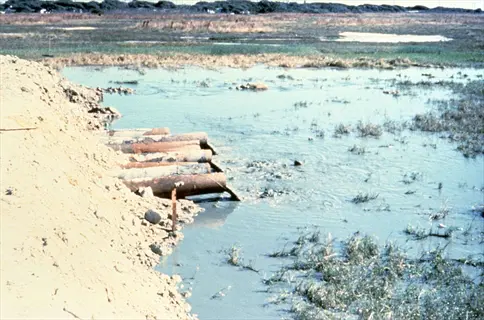
- What it does: Roots absorb heavy metals, nutrients, and toxins from contaminated water as the plant grows.
- Proven figure: It can remove up to 99.5% of chromium from mine wastewater within about 15 days.
- Also removes: Up to 95% of cyanide from blast furnace water in three days and large shares of phosphorus from mill wastewater.
- Why it works: Fast growth means the plant constantly pulls in pollutants to build new tissue.
- Where used: Constructed wetlands and treatment ponds use it to polish wastewater cheaply.
- Caution: Plants used this way hold the toxins they absorb and must be handled and disposed of carefully.
Biogas and bioenergy
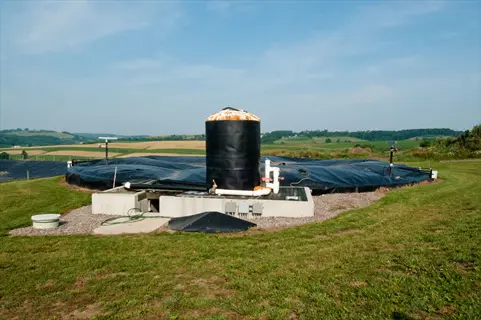
- What it does: A digester turns harvested biomass into renewable fuel and energy.
- Proven figure: One tonne of fresh biomass holds roughly 846.5 MJ of energy, and only about 6.8% of that is needed to harvest it.
- Biogas yield: Reported yields of 70 to 75% are high enough to run a generator engine.
- Boosting output: Chemical pretreatment of the biomass can raise biogas output by as much as 130%.
- Why it matters: Endless free biomass becomes a local energy source instead of waste.
- Best fit: Regions with heavy infestations and energy needs benefit most from converting harvest to fuel.
Animal feed and compost
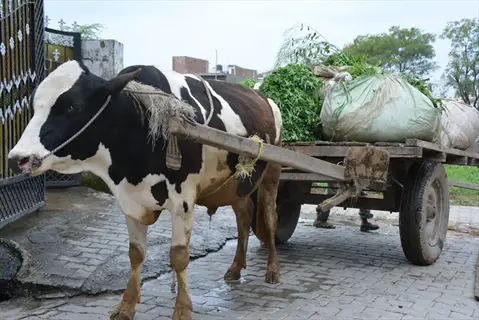
- What it does: Farmers feed dried or fresh biomass to livestock and fish or compost it into fertilizer.
- Proven figure: It can make up 25 to 40% of some fish diets without harming the fish.
- Livestock gain: Cattle feed that included water hyacinth raised milk production by up to 20% in studies.
- As compost: Decomposed plants return nitrogen and nutrients to garden and farm soil.
- Why it works: High moisture and soft tissue break down and digest readily.
- Caution: Plants grown in polluted water should not be fed to animals because they store toxins.
Handicrafts and fiber
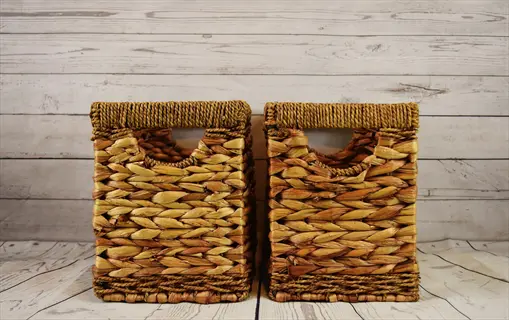
- What it does: Weavers turn dried stalks into baskets, bags, furniture, and other goods.
- Where it thrives: Vietnam's Mekong Delta has built a handicraft export trade around woven water hyacinth.
- Process: Crafters sun dry the harvested stalks for days, then weave them by hand into durable, lightweight items.
- Other products: The fiber is also used for paper, rope, and organic textile material.
- Why it matters: Crafting income gives communities a reason to harvest and remove mats.
- Appeal: Buyers value the natural, renewable, and biodegradable nature of the finished goods.
One warning ties all of these together. A plant that pulls heavy metals from water also stores them. So a harvest meant for water purification cannot then become feed or compost. Match the use to where the plant grew, and you turn a stubborn weed into a real asset.
How To Control And Remove It
One August day I scooped handful after handful of crowded rosettes out of my sunny patio half-barrel. The plants had packed the water so tight the surface was gone. I dropped each clump into a bag for the compost pile. I did not toss them in the ditch out back. Within three weeks the few roots I missed had filled the barrel right back up.
That regrowth is the whole problem in miniature. Real water hyacinth control is never one and done, because the plant comes back from scraps and from seed. So before you ask how to get rid of water hyacinth, accept that you are starting a program, not finishing a chore.
The research is blunt about this. Scientists say you cannot wipe it out with just one tool. You need an integrated control plan that mixes methods. No single trick clears it for good, so smart managers stack three of them together.
The first job is mechanical removal, and it is just what it sounds like. You skim, rake, or net the floating mats out of the water. Pull as much root and seed as you can. It works fast on a small patch like my barrel. But a big mat grows back before you reach the far end of the pond.
Biological control fills that gap on large water bodies. Land managers release the weevil named Neochetina, a small beetle that feeds on the plant and weakens it over time. In a long Louisiana study the weevil cut growth rates by 84%, and that drop held even after releases stopped in the 1980s.
Here is the catch that makes integration matter. The weevil shrinks the plants and slows them down. But on its own it does not cut the cover on the water. So you still pull mats out by hand. And where the law allows, you knock back heavy growth with approved herbicides such as 2,4-D, glyphosate, or diquat.
Act while coverage is small, since a mat that doubles in as little as 7 days quickly outpaces any cleanup if it is left to spread.
Skim or rake floating plants out of the water, taking as much root and seed material as possible to slow regrowth.
On large infestations, Neochetina weevils weaken plants over time and cut growth rates, though they do not clear cover on their own.
Approved herbicides such as 2,4-D, glyphosate, or diquat can knock back heavy mats when used legally and carefully.
Compost or bag harvested material away from water so it cannot drift back or seed a new infestation.
Because seeds can sprout for up to 20 years, check the water each season and remove new growth promptly.
Follow that sequence and stay with it. Those seeds can sit and wait in the mud for up to 20 years, so a pond you cleared this spring needs a check every season after. Repeat monitoring is the part most people skip, and it is the part that decides whether the plant stays gone.
Never dump pulled water hyacinth into a ditch, stream, or lake. A single drifting rosette can start a new mat, so always dry, compost, or bag plants on land.
5 Common Myths
Water hyacinth is just a pretty pond flower, so it is always safe to grow wherever you like.
It is one of the world's worst aquatic weeds, banned or restricted in many states because escaped plants devastate waterways.
If you scoop the floating plants out of the water, the water hyacinth problem is solved for good.
Seeds in the sediment stay viable up to 20 years, so a cleared pond regrows from its own seed bank without ongoing control.
Water hyacinth is useless waste with no value once it is pulled from a pond or lake.
It cleans polluted water, makes biogas, feeds livestock, and is woven into handicrafts, turning surplus biomass into a real resource.
Water hyacinth is highly poisonous and dangerous to even touch with bare hands.
It is safe to handle, though plants grown in polluted water absorb toxins and should never be eaten or fed to animals.
Water hyacinth survives any winter, so it overwinters outdoors almost anywhere it is planted.
Hard frost kills floating plants, so it only overwinters outdoors in warm climates, roughly USDA zones 8 to 11.
Conclusion
So you end up with two plants in one. Water hyacinth is a beautiful floating pond plant, with glossy leaves and soft purple flowers few other plants can match. The same plant chokes lakes, starves fish of oxygen, and earns its spot as one of the worst aquatic weeds on Earth. The research does not pick a side, and neither should you. I've seen a single clump turn a pond into a green carpet in one summer.
Hold on to a few numbers and the rest falls into place. The plant can double in as little as 7 days, which is why a clear pond turns into a green mat so fast. Yet control work in Louisiana paid back $34 for every $1 spent. Through phytoremediation, the roots can also pull up to 99.5% of chromium out of dirty water in about 15 days. Beauty, threat, and beneficial uses all live in the same plant.
Here is the plain rule for growers. Contain it in a sealed pond. Thin it before it covers the surface. Then dispose of the extra plants on dry land where they cannot drift away. On big lakes, the people who manage them have to lean on integrated control. They mix weevils, hand pulling, and careful sprays, because the seeds can sit in the mud and wait for up to 20 years. There is no quick fix once an invasive aquatic plant like this takes hold.
Whether you call it a problem or a resource comes down to one thing, and that is where it grows and how you manage it. In a sealed pond with responsible growing, it is a gift. Loose in a warm lake with no water hyacinth control, it is a slow disaster. Now you can judge any patch you meet on its own terms.
Glossary
- Biogas
- A renewable fuel gas produced when plant biomass breaks down, which can be burned to generate power.
- Biological control
- Managing a pest plant by introducing a natural enemy, such as the Neochetina weevil used against water hyacinth.
- Bulbous petiole
- The swollen, air-filled leaf stalk that keeps water hyacinth buoyant and floating on the water surface.
- Dissolved oxygen
- The amount of oxygen present in water that fish and aquatic life need to breathe; thick mats lower it sharply.
- Monotypic mat
- A dense surface stand made up of a single species that crowds out all other plants beneath it.
- Phytoremediation
- Using living plants to absorb and remove pollutants such as heavy metals from contaminated water or soil.
- Pontederia crassipes
- The current scientific name for water hyacinth, the free-floating aquatic plant long known as Eichhornia crassipes.
- Stolon
- A horizontal runner that grows out from a parent plant and roots to form a new clone, letting water hyacinth spread rapidly.
External Sources
Frequently Asked Questions
Why is water hyacinth banned?
It is banned or restricted because it spreads explosively, blocks waterways, depletes oxygen, and damages ecosystems and economies.
Why is water hyacinth so invasive?
It grows extremely fast, reproduces by cloning and long-lived seeds, and forms dense mats that crowd out everything else.
How do you get rid of water hyacinth?
Removal works best with an integrated approach:
- Skim or rake out floating plants
- Use Neochetina weevils on large infestations
- Apply approved herbicides where legal
- Dispose of plants on land and monitor each season
Is water hyacinth poisonous to touch or eat?
It is not poisonous to touch, but plants grown in polluted water absorb toxins and should never be eaten or fed to animals.
Can water hyacinth grow in just water?
Yes. As a free-floating plant, it needs no soil and pulls nutrients directly from the water through its dangling roots.
Do goldfish and koi eat water hyacinth?
Koi often nibble the trailing roots and may damage plants, while goldfish mostly use the mat for shade and cover.
Can water hyacinth survive winter?
Not in cold climates. Frost kills floating plants, so it only survives winter outdoors in warm regions, roughly zones 8 to 11.
What is water hyacinth used for?
Its uses include water purification, biogas and bioenergy, animal feed and compost, and woven handicrafts and fiber.
How fast does water hyacinth grow?
Very fast. In ideal warm conditions a mat can double in as little as 7 days, producing up to 450 tonnes per hectare.
Where does water hyacinth grow?
Native to the Amazon basin, it now grows in warm, still freshwater across more than 50 countries worldwide.