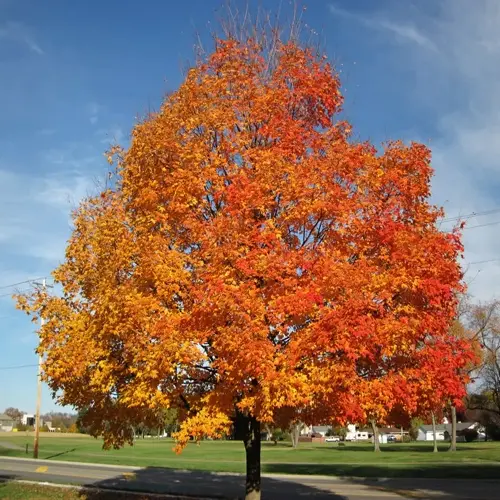

A black cherry can outgrow a two-story house in the years it takes you to pay down a mortgage. The typical black cherry tree size lands at 60 to 90 feet (18 to 27 m) tall, with a crown that spreads 35 to 50 feet (11 to 15 m) wide. That is the mature black cherry height you should plan for from a healthy yard tree. It is a forest giant at heart, not a tidy ornamental, and it needs real room to stretch out.
Young trees climb fast. In full sun, a juvenile black cherry adds about 18 inches (46 cm) of height every single year. Drop one into rich, well-drained soil and the pace jumps even higher. The early years feel quick because the tree races toward the canopy first. Only later does it slow down and pour that energy into a thicker trunk and a wider crown.
The black cherry growth rate ranks among the faster ones of any native hardwood. USDA Silvics data lays out the numbers, and the gap between an average tree and a vigorous one is wide. A typical specimen gains roughly 18 inches (46 cm) a year. The strongest individuals push closer to 36 inches (91 cm). Feed the tree and that figure climbs again, with fertilized stems adding 4 to 6 feet (1.2 to 1.8 m) of height in a single season.
That speed has a flip side worth knowing. A black cherry packs on size early but slows hard after about 80 to 100 years, and mortality climbs once it passes that mark. So the dramatic growth you see in the first two decades is not the pace forever. Picture a tall, fast climb up front, then a long, steady settling into its full frame.
The extremes reach well past any normal yard tree. Forest specimens growing in deep, sheltered woods sometimes top 100 feet (30 m), far above the range you see on an open lawn. Age stacks on bulk too. USDA Silvics records one documented tree at 258 years old. That ancient specimen had grown a trunk 48 inches (122 cm) across. The number shows just how massive an old black cherry can get.
The honest answer holds two numbers at once. UF/IFAS lists 60 to 90 feet for landscape trees. Forest records push past 100 feet for old, sheltered specimens. Your tree will most likely settle into that landscape range. The higher figure just marks the ceiling the species can hit. Either way, you are dealing with a large shade tree, so size your spot to match.
For most yards, I recommend planning around the 60 to 90 foot range rather than the rare giants. A tree that big still casts a deep, cool shadow across a lawn. It also drops fruit, leaves, and small twigs across a wide circle each season. Keep that mess in mind when you choose the spot. I prefer placing one where the litter falls on garden beds or grass, not on a patio or a car.
Plan for the full footprint before you ever dig the hole. Give the tree at least 25 to 30 feet (8 to 9 m) of clearance from your house, driveway, and power lines so the mature crown never crowds a structure. A black cherry planted too close turns into a yearly pruning chore or, worse, a removal bill down the road. Check the spot for buried lines first, then let the tree reach its full 35 to 50 foot spread without a fight. Pick the open ground now and you will never wrestle this tree later.
Read the full article: Black Cherry Tree: Growth, Wildlife, Safety