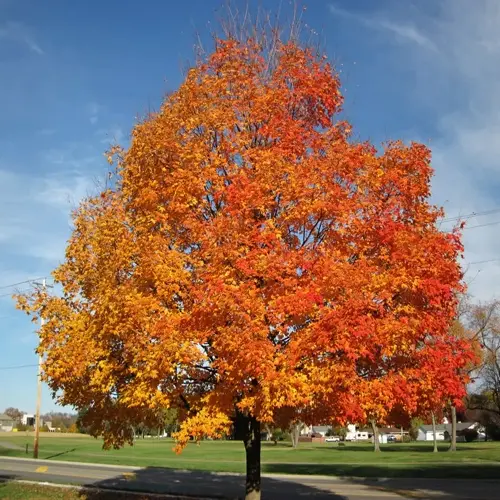

"That tree in your back corner will poison your dog," my neighbor said. He leaned over the fence and pointed at the scrappy volunteer in the damp part of my Pennsylvania yard. He was half right. The short answer on black cherry toxic to dogs is yes, the tree can hurt a dog, but the real danger is a dog chewing the leaves, twigs, bark, or seeds. A dog sniffing around the trunk is fine. Those chewable parts hold cyanide-forming compounds, so good black cherry pet safety starts with knowing which bits cause harm.
I had watched my own dog walk past that tree a hundred times with no problem. A sniff or a brush against the bark does nothing. The trouble starts when teeth break the plant tissue and your dog swallows it. So the fence-line warning was a bit dramatic. But it did send me reading the science behind the black cherry toxic to dogs question in the first place.
Here is what happens inside the plant. Black cherry leaves, twigs, and seeds carry a compound called prunasin. It is a type of cyanogenic glycoside. On its own it just sits there. But when the tissue gets crushed, chewed, or wilted, an enzyme in the plant breaks prunasin down. That reaction releases cyanide. The gas blocks your dog's cells from using oxygen, which is why even a small chewed amount matters.
This is why a downed limb is the worst hazard in the whole yard. The cyanide in cherry leaves climbs as the leaves wilt. A fresh green leaf is risky and a wilting leaf from a broken branch is worse. A storm drops a limb, and those drying leaves end up at dog height. They smell faintly sweet, and that is when curious chewers get into trouble.
Call your vet right away if your dog drools heavily, breathes fast or hard, acts weak or wobbly, or has bright red gums after chewing any part of a black cherry tree. Cyanide acts fast, so do not wait to see if it passes.
The fruit itself is a softer story. Ripe black cherry pulp is far less risky than the leaves and seeds. A dog that licks a squashed fallen cherry off the grass is in little danger from the flesh alone. The catch is the pit. A swallowed pit can crack and release cyanide from the seed inside, and a mouthful of chewed pits adds up fast. So the pulp is not the part I worry about. The brush, the twigs, and the pits are.
Keeping your dog safe is mostly a job of yard cleanup. Walk the back corner after every storm and clear any fallen limbs before your dog finds them. Rake up dropped fruit and pits during the late summer drop, because that brushy litter is where most dogs get into the seeds. I bag mine and haul them out, rather than leaving a pile that sits and rots near the fence. If you have a young chewer, fence off the tree or keep that part of the yard off limits during fruit season. A few minutes of cleanup beats a vet bill and a scared night.
If you ever catch your dog gnawing leaves, twigs, or pits, treat it as an emergency. Note how much got eaten and when it happened, then call your vet or an animal poison control line on the way out the door. Watch for drooling, heavy breathing, or sudden weakness, since those are the early warning signs. Quick treatment makes a real difference with cyanide. Your vet would much rather hear from you over a chewed twig than get the call when it is too late to help.
Read the full article: Black Cherry Tree: Growth, Wildlife, Safety