Shrub · Ericaceae
Azalea
Rhododendron
Give it acidic soil, dappled shade, and steady moisture, and the azalea pays you back with a spring it's hard to look away from.
Partial shade
Every 3–7 days
USDA 4–9
2–15 ft · 0.6–4.6 m
Overview
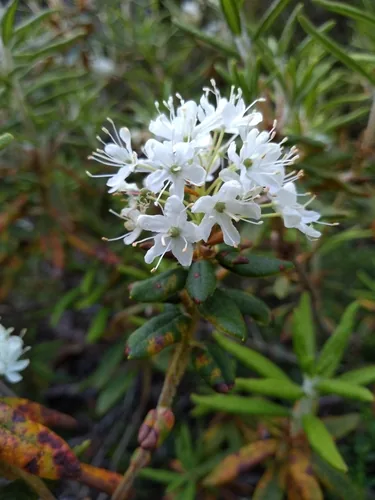
An azalea covered in bloom is one of the surest signals that spring has come. It sits in the genus Rhododendron within the heath family, and the name spans both the evergreen kinds that keep their glossy leaves through winter and the deciduous ones that shed them. Most stay modest shrubs, though a handful of native deciduous types push up tall enough to pass for small trees.
Every azalea, whatever its size, wants the same two things: acidic, well-drained soil and the soft, broken light cast under taller trees. Its roots spread shallow and close beneath the surface, which is exactly why it can't stand either drought or standing water. Match the soil and the siting and you get a long-lived, slow-growing shrub that demands very little of you.
Set it wrong, though, and the leaves report the mistake quickly. Too much sun browns and scorches them, too much lime drains the color from the blades while the veins stay green, and too much water leaves the roots quietly rotting in the ground. Fit the plant to the place and almost none of that ever begins.
Care
The short version: dappled shade with cover from harsh afternoon sun. Keep the shallow roots evenly damp with roughly an inch of water a week, set the plant in acidic, well-drained soil heavy with organic matter, and lay down mulch to hold moisture without piling against the stem.
Light
Azaleas want dappled or partial shade, the kind of shifting, broken light that falls under tall trees. They handle more sun where summers stay cool, but a hard afternoon sun browns the leaf edges and draws in lace bugs, while heavy shade leaves the bloom thin and sparse.
Water
Keep the shallow roots evenly damp, giving roughly an inch of water a week and a deep soak each time the top of the soil dries out. Water low at the base with a soaker or drip line instead of overhead, since wet leaves and flowers turn into disease, and never let the ground sit soggy or the roots will rot.
Soil
Set the plant in acidic, well-drained soil rich with organic matter, holding a pH between 4.5 and 6.0. Alkaline ground ties up the iron and drains the green from the leaves, so test before you plant and acidify if the numbers run high.
Temperature
Azaleas hold up across a broad range, riding out winter lows near -22°F (-30°C) and summer highs to 95°F (35°C) depending on the type. Pick a variety rated for your zone and the plant takes the seasons in stride.
Humidity
Ordinary outdoor air suits them, so there's no number to fuss over. Air movement matters more than any reading, because still, damp air pooling around crowded shrubs is what lets leaf and flower diseases dig in.
Feeding
Feed once, just as the spring flowers drop, with an acid-forming azalea or rhododendron fertilizer. Quit by early July so any late, soft new growth firms up before frost, and let the plant's color and a soil test set the amount.
Pruning
Cut right after the spring bloom, before the plant sets next year's buds, or you'll shear off the coming flowers along with the wood. To renew an overgrown shrub, cut it back hard before spring growth stirs and accept the lost bloom for that year; pinch the new shoots once they hit 6 to 12 inches to push the plant denser.
Repotting
Azaleas seldom need repotting and would rather stay where they are. In a pot, watch for roots circling the surface, water sluicing straight through, or stalled growth and weak flowering, all telling you it's time to move up a size.
Size & spacing
Mature size swings hard by type, from tidy 2-foot mounds to natives stretching 2 to 15 feet (60 cm to 4.6 m) tall and spreading 2 to 10 feet (60 cm to 3 m) across. Look up the variety's full size and hand it that much room so you never have to hack it back to fit.
When to plant
Set azaleas into the ground in spring or fall, when the air is mild and the shallow roots can knit in before summer heat or hard winter cold arrives. The big display lands in spring as the buds split open, and some evergreen and reblooming types light up again into summer or fall. Cut right after the spring flowers fade, before the plant lays down next year's buds.
Northern hemisphere
Southern hemisphere
Typical months for a temperate climate: start earlier in warm zones, later where spring frosts linger.
- Plant: Spring or fall
- Harvest: Spring (some evergreen and reblooming types flower into summer or again in fall)
Hardiness
USDA hardiness zones: 4–9
Temperature: down to -34°C
Troubleshooting
Most azalea trouble writes itself on the leaves before anywhere else, whether it's pale stippling from pests, a green-veined yellowing from the wrong soil, or a slow wilt that traces back to the roots. Read those early marks and you can step in before a small problem swallows the whole shrub. Match what you see below, then act while there's still time to help.
Limp, sagging foliage on a shrub failing from below
A shrub that wilts and slowly fails while the leaves above show no clear pest or deficiency is usually rotting below, struck by Phytophthora root rot in cold, airless, sodden soil. Scrape away the soil at the base and the roots come up dark, soft, and decayed, the ground around them staying wet because the plant sits too deep or in a low pocket that never drains. No spray cures it, so the answer is dry feet: fix the drainage, stop overwatering, and replant in a raised, well-drained acidic bed with the root ball set at or just above grade.
Fix:
- Improve drainage and stop overwatering
- Replant in raised, well-drained acidic beds, setting the root ball at or slightly above grade
Frosted-looking, mottled leaves flecked black underneath
The tops of the leaves go pale and freckled, almost silvery, while the undersides carry tiny dark spots: that is the azalea lace bug at work, and it hits hardest on shrubs sitting in hot, full sun. Turn a leaf over and you'll spot the flat, glassy-winged adults or the spiny black nymphs scattered among their sticky, varnish-dark droppings. Coat the leaf undersides directly with horticultural oil or insecticidal soap, repeat as fresh broods hatch, and keep the roots mulched and watered so the plant isn't stressed to begin with.
Fix:
- Spray horticultural oil or insecticidal soap on the undersides of leaves where the insects feed
- Repeat applications as needed to cover new generations
- Keep plants vigorous with mulch and adequate moisture
Butter-yellow leaf blades traced with green veining
When a leaf turns pale yellow but its veins stay a sharp, bright green, you are looking at iron chlorosis: the soil has crept too alkaline and the shallow roots can no longer pull iron up into the tissue. The pattern shows up most along concrete foundations, where lime seeps into the ground. Confirm it with a soil test, then acidify using elemental sulfur or iron sulfate; a chelated iron foliar spray greens the leaves faster but only for a while.
Fix:
- Acidify the soil with elemental sulfur or iron sulfate based on a soil test
- Apply chelated iron as a foliar spray for quicker temporary correction
Toxicity
Treat this plant with caution around animals and children. Every part of an azalea carries grayanotoxins, and even a few leaves can poison a cat, dog, horse, or grazing animal, going after the gut, the nerves, and the heart. Keep the shrubs, the prunings, and the fallen leaves clear of pets and livestock, and call a vet or poison control the moment you think any was eaten.
Toxic to
Cats · Dogs · Horses · Rabbits · Livestock · Birds · People
Cats Severe
A leaf or two is enough to set a cat drooling and vomiting within hours, after which it turns weak and unsteady on its feet. The grayanotoxins strike at the heart and blood pressure, so listen for a racing or skipping beat, and brace for collapse, coma, or death in the worst outcomes. Treat it as a same-day emergency, not something to watch and wait on.
Dogs Severe
A dog follows the same downward path as a cat: heavy drooling, vomiting, and diarrhea at the start, then weakness and a swaying, uncoordinated walk. The toxins can pull the blood pressure down and knock the heartbeat off its rhythm, ending in collapse or worse if the dog swallowed enough. Head straight for a vet instead of hoping the signs settle on their own.
Horses Severe
Size buys a horse no safety, and a few mouthfuls of azalea bring on drooling, weakness, and a clumsy, stumbling gait. The grayanotoxins throw the heart rhythm off and drop the blood pressure, and a poisoned horse may sink to the ground and struggle to get back up. The worst cases turn fatal, so phone the vet the instant you suspect it.
Rabbits Toxic
The grayanotoxins that drop cats and dogs make azalea every bit as dangerous to a rabbit, whose small body has almost no margin to absorb them. Look for gut upset, listlessness, and a wobbly, sapped animal, and treat even a nibble as urgent. Keep clippings and fallen leaves well clear of hutches and runs.
Livestock Toxic
Goats, sheep, and cattle are poisoned by azalea too, and the danger climbs in winter when the pasture thins and they start browsing the shrubs. Drooling, repeated vomiting or regurgitation, a swollen belly, weakness, and a stumbling heartbeat all follow, and a heavy feed kills. Fence stock away from the plantings and never throw prunings out into a field.
Birds Toxic
Grayanotoxins reach birds as readily as mammals, so pet and backyard birds must never get at the leaves, flowers, or nectar. A poisoned bird falls quiet and weak, turns away from food, and shows an unsteady, off-rhythm heartbeat. Even a trace is a real threat when there's so little body weight to dilute it.
People Caution
No part of an azalea is food, and children should be kept from chewing the leaves or the flowers. Swallowing the plant tissue, or honey drawn from its nectar, can leave the mouth burning and bring on nausea, dizziness, a slowed heartbeat, and falling blood pressure. A fatal dose is rare in adults, but anyone who has eaten any part should call poison control.
Keep plants, prunings, and fallen leaves away from pets and grazing animals.
Helpline numbers

United States
ASPCA Animal Poison Control: (888) 426-4435 (fee applies)
Poison Control: (800) 222-1222



Canada
Poison Centres: 1-844-764-7669
Varieties
Azaleas run into the thousands, but they fall into a few groups worth recognizing by name. These are the ones most likely to turn up under your hand at a nursery.
Kurume hybrids
Compact, evergreen, and rarely taller than 2 to 3 feet, these azaleas bury themselves under masses of small spring flowers, with old favorites like 'Hinode Giri' and 'Coral Bells' at the front of the pack.
Southern Indica hybrids
Big and quick-growing, these evergreens stretch 5 to 8 feet tall and as much as 10 feet across, thriving in the warmth of zones 8a to 8b, with the familiar 'Formosa' among their ranks.
Encore Group
Reblooming evergreens of 2 to 5 feet that live up to their name, opening flowers in spring and then a second round in fall.
Rhododendron arborescens (Sweet Azalea)
A native deciduous azalea that reaches 8 to 12 feet or taller and hangs out fragrant white flowers.
Rhododendron calendulaceum (Flame Azalea)
A native deciduous azalea of 4 to 8 feet, prized most of all for the fiery orange to red blooms it throws in spring.
Companions
Azaleas grow best beside plants that share their love of acidic soil and filtered shade, which is why they sit so naturally under pines and next to camellias.
Plant near
Pine trees: Provide the filtered light shade and acidic, organic, well-drained conditions azaleas prefer.
Camellia: Shares the same acidic-soil, partial-shade requirements and similar care.
How to propagate
You can multiply an azalea several ways, from fast cuttings to slow layering, while raising plants from seed is mostly left to those breeding something new.
Stem cuttingsModerate
Mid-June to September, after new growth has hardened · Roots form in about 4 to 6 weeks; plants bloom in 2 to 3 years
Cuttings give you the most reliable copy of an azalea. From mid-June to September, once the season's growth has stiffened, snip 2 to 3 inch tips just below a node, peel off the lower leaves, dust the cut end with rooting hormone, and firm it into a damp growing mix. New roots break in about 4 to 6 weeks, but the little plant holds its first flowers back for another 2 to 3 years.
LayeringModerate
Late spring on previous year's wood for air layering; stem layering when a flexible branch can reach the ground · Rooting usually occurs within 6 to 12 months
Layering is the slow and patient method, worth the wait when one or two new plants is all you're after. In late spring, choose last year's wood for air layering, or just pull a low, bendable branch down against the soil for stem layering. Nick the stem, paint on rooting hormone, and keep it damp; roots generally need 6 to 12 months to form.
SeedDemanding
Collect ripe seed in fall and sow on a moist acidic medium · Several years to flowering size
Seed is mainly the route for species, since hybrid seedlings won't match the parent and the results are a gamble. Collect ripe seed in fall and scatter it across a damp, acidic medium. Settle in for the long wait, because the seedlings take several years to reach flowering size.
Myths
Honey straight from the comb can never harm you, even when the bees fed on rhododendron or azalea bloom.
Honey gathered from grayanotoxin-laden Rhododendron nectar can sicken people, an illness known for centuries as 'mad honey' poisoning. The toxins travel straight out of the plant's nectar and pollen and lodge in the honey. Expect dizziness, low blood pressure, a slowed heartbeat, and even heart block from a tainted jar.
An azalea roots strongest when its root ball sits deep in rich, chalky soil.
That advice has the plant inside out, because azalea roots run shallow and crave acidic, fast-draining ground. Set the crown too deep, or sink it into soggy, alkaline soil, and you hand it root rot and the yellow, green-veined leaves of iron chlorosis. Plant shallow in acidic soil and the rest takes care of itself.