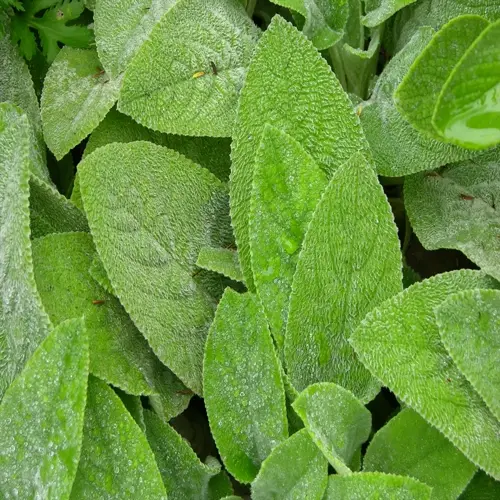

The English name for the tree is linden, and that one word covers it across most of the world. The tricky part is that the linden english name has two well-known twins. The same tree shows up as lime on a British plant tag. It shows up as basswood at a North American native nursery. Three labels, but one tree. If you only learn one of these words, learn linden, since it works almost everywhere and rarely gets you a blank stare.
Picture a shopper hunting for the same plant in three places. In a United States garden center the tag reads linden. In a London park guide the tree is a lime. At a native plant nursery in Ohio the pot says basswood. None of these is a mistake. None of them points to a different plant. The seller in each spot just used the word that locals use. All three words mean the same big shade tree. You get the same heart-shaped leaves and the same sweet summer flowers no matter which name you read.
Linden is the standard English name and the safest one to use anywhere. The British lime tree name trips people up the most. It has nothing to do with the green citrus fruit you squeeze into drinks. The word lime here grew out of an older English word, lind. The sound shifted over the centuries until lind turned into lime. So there is no citrus link at all. A British lime tree never grew a single sour green fruit, and it never will.
The basswood name is the North American favorite, and it carries a neat backstory. It comes from an older word, bastwood. That word points to the bast, which is the strong fibrous inner bark of the tree. People once stripped that bark to make rope, mats, and cord. The wood took its name from that useful fiber. Over time bastwood softened in speech and became basswood, the word you see on tags and lumber today.
All three names land on the same plant group. The genus is Tilia, and it sits in the mallow family. Carl Linnaeus gave it that formal name in 1753. The scientific label has stayed steady ever since. Meanwhile the common names drifted apart from one region to the next. That is the whole reason one tree ends up with three English words. The Latin name is the quiet anchor under all the everyday ones.
In North America the species you meet most is American basswood. Its Latin name is Tilia americana. It is a large native shade tree, and it gives us most basswood honey and most basswood carving blocks. Bees love its flowers, and carvers love its soft, even wood. When a guide or seller says basswood with no more detail, you can bet this is the tree they mean.
Here is the practical takeaway you can use right away. Do not treat linden, lime, and basswood as three separate trees when you shop or read. Once you know the linden english name and its two twins, the labels stop fooling you. All three English names point to the same Tilia genus. A lime sapling from a British catalog and a linden from your local lot are siblings, not strangers. If you need one exact tree, match the species name on your tag. Then you can ignore the surface label, since the common word changes but your tree does not.
When in doubt, check the Latin name on the tag. If it starts with Tilia, you are looking at a linden, no matter which common name the seller printed.
Read the full article: Linden Tree: Complete Guide and Care