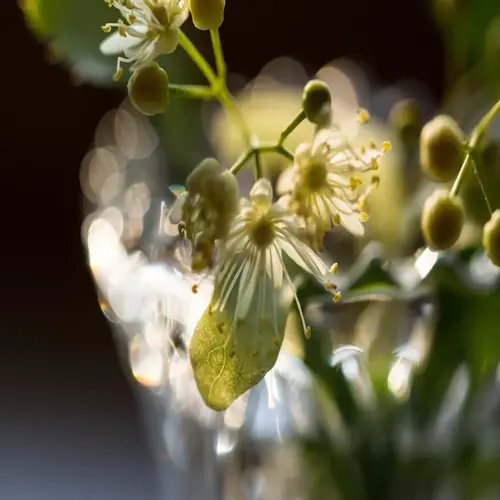

The strip along my north fence stayed bare for years. Grass seed washed off in every rain, and the dim corner grew nothing but moss and a few sad weeds. One spring I planted sweet woodruff there. By the next April it had spread into a froth of tiny white flowers. I could see them from the kitchen window, glowing in the shade like a patch of spilled milk.
The best ground cover for shade is a woodland native like sweet woodruff, wild ginger, foamflower, or bunchberry. These plants grew up under forest canopies, so a shady bed is home turf for them. A good shade ground cover turns your darkest corner into one of the prettiest spots in your yard. You do not have to settle for bare dirt or struggling grass.
These plants thrive in shade because of where they come from. Woodland natives want moist, humus-rich soil and soft, filtered light. The conditions that kill your lawn are the exact ones they love. They also handle dry shade and the tangle of roots under big trees, where grass gives up fast. So the spot that frustrates you is the spot they want most.
Match the plant to the kind of shade you have. For moist shade, plant sweet woodruff and foamflower, since both want cool, damp soil. For deep woodland beds, reach for wild ginger and bunchberry, which fill in under trees and shrubs. Here are four picks that cover most shady spots.
Sweet Woodruff
- Best for: Moist shade and damp beds where the soil stays cool through summer.
- Look: Whorls of bright green leaves topped by white star flowers in spring.
- Spread: Knits into a dense mat in two seasons and smells like fresh hay when cut.
Foamflower
- Best for: Moist shade and the front edge of woodland beds.
- Look: Soft mounds of maple-shaped leaves with frothy white spikes in late spring.
- Bonus: A tough native that pairs well with ferns and hosta.
Wild Ginger
- Best for: Deep, dense shade in woodland beds under trees and shrubs.
- Look: Glossy, heart-shaped leaves that form a low, even carpet about 6 inches (15 cm) tall.
- Bonus: Spreads slow and steady, so it stays where you put it.
Bunchberry
- Best for: Cool, acidic woodland beds in northern gardens.
- Look: White spring blooms followed by clusters of red berries in fall.
- Note: Wants steady moisture and rich soil, so skip it in hot, dry spots.
Picking a ground cover under trees is its own challenge because the tree drinks most of the water and shades out the rest. Wild ginger handles this well, and I dug some in among the surface roots of a maple where nothing else would grow. Foamflower works too if you keep the bed watered the first year while it settles in. Give these plants one steady season and they will hold the ground for you.
Whatever you plant, feed the soil first. Work a few inches of compost or leaf mold into the bed before you set anything in. Woodland plants want that spongy, dark soil, and the organic matter holds the moisture they crave through dry spells. Skip this step and even the toughest native will sulk for a year. Your plants fill in far faster when the soil feels like a forest floor.
One more thing: lean on native plants when you can. They feed local bugs and birds, and they behave themselves in your beds. Many people reach for shade ivy to fill dark spots, but it is invasive in much of the country and smothers everything in its path. Check your state's invasive list before you plant a fast spreader, and pick a native instead. You get the same green carpet without the cleanup fight down the road.
Read the full article: Best Ground Cover Plants for Any Garden