
Every July my patio table wore a thin, tacky film that pulled at my fingers when I set down a coffee mug. My Greenspire littleleaf in Zone 5 sat right by the back patio, and the drip came straight off its leaves. I looked up and found the underside of every leaf crawling with aphids.
That sticky mess is the headline among linden tree drawbacks. These trees draw aphids and Japanese beetles, they grow large enough to crowd a small yard, and they drop flowers and nutlets through the season. None of it kills the tree, but it does mean real upkeep right under the canopy.
The drip is not sap. Aphids pierce the leaves and feed on the sugary fluid inside, then excrete the excess as aphid honeydew. That honeydew rains down on whatever sits below. Give it a week or two and a black sooty mold grows on the sticky film. So the dark coating on your table and the gloss on the leaves are the same aphid problem. They are just one stage apart. If your patio feels tacky and looks grimy by midsummer, you can blame the bugs up in the crown.
Leaf damage is the other big complaint you will hear. Japanese beetles love linden foliage and chew the soft tissue between the veins. A bad swarm can skeletonize whole leaves and leave your crown looking brown and lacy by late summer. The first August I saw it on my own tree, I thought it was dying. It leafed out fine the next spring, and now I expect a rough patch each July and let it pass.
Aphids And Honeydew
- The drip: Aphids feed on the leaves and rain sticky honeydew onto cars, decks, and patio furniture below the canopy.
- Sooty mold: Black mold grows on that honeydew within weeks, coating both the leaves and anything parked underneath.
- Best fix: Keep the tree away from spots where you sit or park, since the drip itself causes no harm to the tree.
Japanese Beetles
- The damage: Beetles chew the tissue between the veins and can skeletonize the foliage during a heavy summer swarm.
- The look: A hard-hit crown turns brown and lacy by August, which alarms owners more than it hurts the tree.
- The recovery: Damage is cosmetic, and a healthy linden pushes fresh leaves the next spring with no lasting harm.
Size And Litter
- Mature size: Many lindens reach 50 to 80 feet (15 to 24 meters) tall, so they need real room away from a house.
- Seasonal drop: Summer flowers and small nutlets fall in waves and add to the raking through the warmer months.
- Root spread: A wide canopy means wide roots, so keep the trunk well clear of paths, drives, and foundations.
Size is the drawback you may forget at planting time. A young linden in a pot looks tidy, but most reach 50 to 80 feet (15 to 24 meters) at full height. Plant one too close to your house and you fight shade and roots for decades. The wide canopy means wide roots too, so keep the trunk well clear of paths and your foundation. On top of that, the summer flowers and small hard nutlets fall in waves. You will rake steady litter from June into fall.
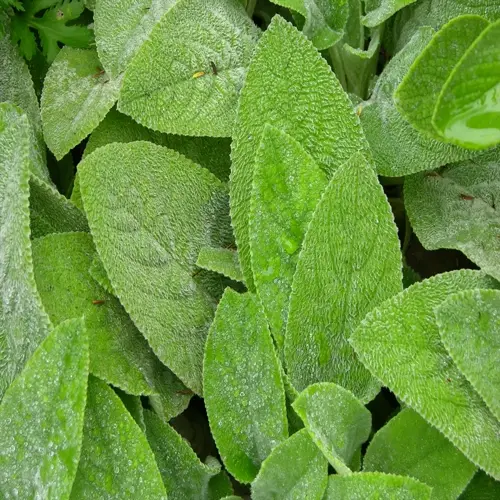
You can plan around all of this. If beetles run bad in your area, choose a silver linden, since its fuzzy leaf undersides shrug off the worst of the chewing. Give any linden a wide berth from patios, driveways, and parking spots so the honeydew lands on grass instead of your car. And take the long view on bugs. Most of the leaf damage looks worse than it is, and the tree shrugs it off by the following spring.
Read the full article: Linden Tree: Complete Guide and Care