
Introduction
A few years back, downy mildew tore through common impatiens and wiped them out of production across the country. Whole shade beds went bare, and UF/IFAS stopped recommending the old favorite. But new guinea impatiens are the ones that survived. They are highly tolerant of that same disease, which is why so many gardeners now reach for them to fill a shady spot with color.
These are the downy mildew resistant cousins, and they bring more to the bed than just toughness. Their blooms run bigger and brighter, and they handle a touch more sun than the plants they replaced. If you have been burned by mildew or just want shade flowers you can trust, this is the plant that earns a spot.
Here is the quick profile so you know what you are working with. Impatiens hawkeri blooms from spring through fall in orange, pink, purple, red, and white. Your plants will grow 6 to 20 inches (15 to 51 cm) tall, and they do best in partial shade. They are hardy only in USDA zones 10 to 12, so you likely grow them as annuals and start fresh each spring.
You also need the numbers that quick care pages tend to skip. This guide gives you the exact ones. Space your plants 8 to 12 inches (20 to 30 cm) apart. Plant them only once soil passes 60°F (16°C). Aim for a soil pH of 6 to 6.5. Every one of those targets comes straight from university extension sources you can trust.
From here you get the whole story. You will learn where your plants came from, how to read light and pick the right spot, and how to water and feed them through summer. You will also meet the top varieties and colors, and learn to spot and fix the few problems that pop up. Let's start with the disease that made them famous.
The Impatiens That Survived
Around 2011 a disease called impatiens downy mildew swept the country. It wiped out beds of the old garden favorite. Whole displays that filled in each summer turned to bare stems in weeks. The plant it hit was Impatiens walleriana, the common type almost everyone grew. It had almost no defense.
New Guinea impatiens told a different story. Washington State University looked at the two. Every kind of common impatiens falls to the disease. But Impatiens hawkeri shrugs it off. That makes it a true downy mildew resistant impatiens, and that is why it sits in garden centers today.
Think of it as the same flower people loved, but with a tougher build. The New Guinea type keeps that classic color and shape. Yet it stands up to the rot that flattened its cousin. So the New Guinea impatiens vs common impatiens pick is not much of a contest now.
The list below lays out the split between the two plants. You can see why one earned a spot in your garden and the other lost it.
- Highly tolerant of impatiens downy mildew, so beds stay full all season.
- Tolerate more sun than common types when given extra water.
- Larger, showier flowers and bolder foliage on sturdier stems.
- Recommended by extensions as the replacement for lost common impatiens.
- Highly susceptible to downy mildew, which can defoliate and kill plants.
- Best only in deeper shade and quickly fade in stronger sun.
- Smaller blooms on softer, more delicate growth.
- No longer recommended for planting by UF/IFAS after nationwide losses.
If you lost a bed of the common kind, the fix is simple. You can swap it for one of three disease-resistant bedding plants. Those are New Guinea impatiens, begonia, or coleus. Florida went a step further. It dropped common impatiens from its planting lists for good.
There is one more reason to skip the old type. WSU warns that the disease stays in the soil. So you should wait 2 to 4 years before you replant common impatiens where it struck. New Guinea impatiens and the sun-loving SunPatiens line carry no such baggage. That is why they have quietly filled the gap.
While all varieties and hybrids of I. walleriana are susceptible, New Guinea impatiens (I. hawkeri) is highly tolerant of the disease.
Where USDA History Began
From my kitchen window I watch the orange Painted Paradise Orange glow in the shaded north-facing bed under the maple. Those blooms started as 840 wild cuttings carried out of the jungle half a world away. The plant in my yard and the one in yours both trace back to a single collecting trip into the mountains of Papua New Guinea.
The New Guinea impatiens history goes back to 1884. A British officer named Lt. Hawker first found the plant in the wild. The species name Impatiens hawkeri still honors him today. For years the flower stayed a wild curiosity. Few gardeners outside the tropics ever saw it.
The big change came in 1970. A team from the USDA Longwood Gardens sailed out to gather live plants. They worked from January to April that year. They brought back 840 live specimens of seeds, plants, and cuttings. The USDA still keeps that full record today in the Robert Armstrong Collection at its national library.
1884
Lt. Hawker collects the plant in Papua New Guinea, and the species epithet hawkeri later honors him.
1970
A USDA and Longwood Gardens expedition gathers 840 live specimens of seeds, plants, and cuttings.
1972
USDA releases the original 23 New Guinea impatiens plants to over 100 universities and breeders.
1974 to 1979
Dr. Robert J. Armstrong releases the Circus Series, 26 cultivars in total, from his Longwood breeding.
1980
New Guinea impatiens becomes the best-selling bedding plant in the United States.
In February 1972 the USDA gave out the original 23 plants. More than 100 universities and breeders got a share. One was Dr. Robert J. Armstrong, who bred the wild stock at Longwood Gardens. His Circus Series plants came out through the 1970s. They gave you the big blooms and bright colors you see now.
From there the rise was fast. By 1980 the New Guinea impatiens was the best-selling bedding plant in the United States. The money tells the same story. When the team gathered those cuttings, all impatiens sales added up to about 3 million dollars a year. New Guinea impatiens alone later passed 50 million dollars a year at wholesale.
Sun, Shade and Smart Placement
Light placement will trip you up more than any other care step. The advice you read often contradicts itself. The simple truth is that they grow in everything from full sun to deep shade, but they bloom best in partial shade. Picture partial shade as your middle setting, like a dimmer you turn halfway between dark and bright.
NC State Extension settles the sun vs shade impatiens debate with a clear rule. The plant handles full sun, but the more sun it gets, the more water it needs to stay happy. So full sun tolerance is real, yet it comes with a cost you pay at the hose. Push the light without keeping the soil moist and you will watch the leaves droop by noon.
There is a catch with the older types. The University of Arkansas Extension has a clear take here. Their expert Gerald Klingaman says the old hybrids take more sun than common impatiens. But they still should not sit in full sun. Newer sun-bred series changed that math. Breeders built lines like Sunstanding and SunPatiens for hotter, brighter spots. These handle more sun than the originals, as long as you keep them moist.
For the best results, pick a sheltered spot with morning sun and afternoon shade. An east-facing bed does this well. It catches soft early light, then falls into cool shadow before the midday heat. Give them rich, well-drained soil and keep them out of the dry afternoon glare. Do that and you get reliable shade garden flowers that bloom from spring to fall.
In hot regions, give plants afternoon shade and follow the NC State rule that more sun always means more water to prevent wilting.
Watering, Soil and Feeding
By 3 in the afternoon, the two Painted Paradise Orange baskets on my covered east porch hung limp. The leaves curled and drooped toward the deck. I gave each one a deep soak right through the soil. Within an hour both stood back up, leaves flat and open again. In real heat, baskets like these just drink a full watering can every day.
Watering new guinea impatiens comes down to soil dryness, not a fixed schedule. In beds, water once the top 1 to 2 inches (2.5 to 5 cm) of soil feels dry to your finger. Containers and hanging baskets dry out far faster, so they often need water every day when the weather turns hot.
Steady moisture is the real goal here. Keep the soil evenly damp but never soggy, because waterlogged roots rot and the plant stalls. Dropping leaves tell you the opposite problem, that the plant has gone too dry. Read those two signals and you rarely need a calendar at all.
Start with rich, well-draining soil full of organic matter. Keep the soil pH 6 to 6.5 so the roots can take up food well. Feed beds once a month with a high-phosphorus feed, one that runs higher in phosphorus than nitrogen. That mix pushes flowers over leafy growth. Containers lose food with every watering. Feed them a water-soluble fertilizer every 2 weeks instead.
Let the top inch dry slightly between waterings in beds; constant sogginess invites root rot, which University of Arkansas warns against directly.
Top Varieties and Colors
The shaded north bed under the maple finally read as a warm pool of color once I planted Painted Paradise Orange. The season before, I had filled it with pale pinks that vanished against the dark mulch by midsummer. The orange glowed against the same backdrop and pulled your eye across the yard.
Now I match the New Guinea impatiens colors to the spot, not just the plant tag. The New Guinea impatiens varieties below split into two camps. Some lean sun-tolerant and some stay happiest in shade, so pick by your own light first.
The flowers run about 2 inches (5 cm) across with a long spur in back. Colors cover white, pink, orange, red, violet, purple, and coral. Most series stand 6 to 20 inches (15 to 51 cm) tall. A few climb to 30 to 36 inches (76 to 91 cm) in good soil. Many of these blooms draw hummingbirds and butterflies, so you get pollinators with the color.
Sunstanding Series
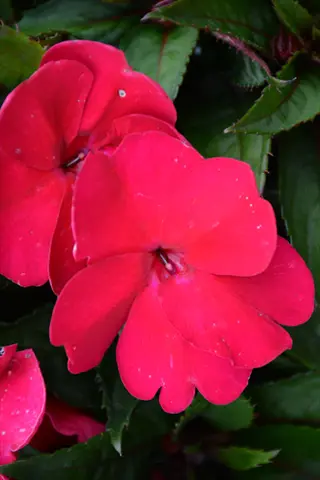
- Light: Bred for sun, this sun-tolerant series handles brighter, hotter beds than older New Guinea types.
- Size: Among the largest options, reaching up to 30 to 36 inches (76 to 91 cm) in good conditions.
- Color: Offers bold shades including cherry red, coral, hot pink, salmon, and glowing scarlet across the range.
- Use: Strong choice for large containers and sunny borders where you want height and presence.
- Pollinators: Bright blooms attract hummingbirds and butterflies through the warm season.
- Care: Keep consistently moist since extra sun means extra water for steady flowering.
Paradise Series
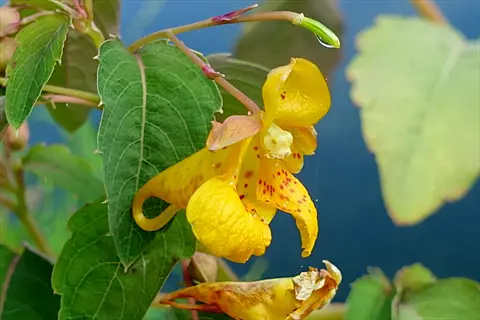
- Light: Versatile in partial shade to part sun, making it a dependable all-around bedding choice.
- Size: Mounded, mid-height growth that fits both beds and mixed container plantings well.
- Color: Includes rose, violet, and painted orange tones with clean, showy petals.
- Use: Reliable for mass plantings and borders where even, tidy color is the goal.
- Foliage: Bold, dark green leaves set off the flowers and give beds a lush look.
- Care: Standard New Guinea care of moist, rich soil and monthly feeding keeps it full.
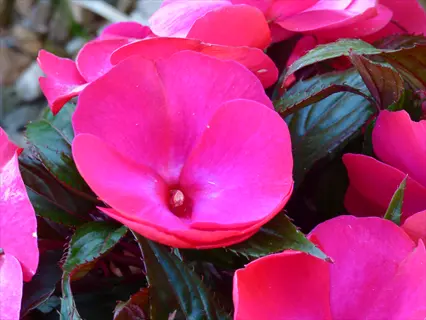
Magnum and Sun Harmony
- Light: Sun Harmony tolerates part sun, while Magnum performs well in classic partial shade beds.
- Size: Compact to mid-size mounds that stay neat in containers and edging.
- Color: Magnum Red brings deep saturated red, while Sun Harmony offers soft baby pink and violet.
- Use: Good for window boxes, patio pots, and front-of-border color where scale stays small.
- Pollinators: Open, spurred flowers draw butterflies into the garden through summer.
- Care: Water containers often, sometimes daily in heat, and feed every two weeks.
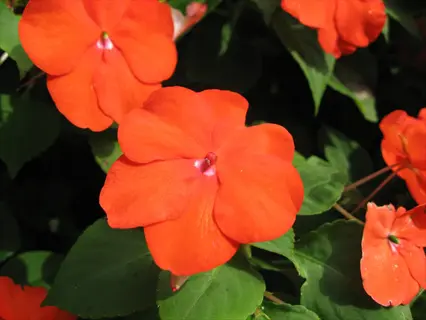
Painted Paradise and Harmony
- Light: Best in partial shade, these classic types suit shaded beds and sheltered porches.
- Size: Standard mounding height around 12 to 15 inches (30 to 38 cm) for a tidy look.
- Color: Painted Paradise Orange glows warm, while Harmony Violet adds cool purple tones.
- Use: Excellent for shaded borders, hanging baskets, and combination pots with foliage plants.
- Foliage: Some types carry variegated or dark leaves that add interest beyond the blooms.
- Care: Keep soil evenly moist and shaded from harsh midday sun for the longest display.
If your bed bakes in afternoon sun, reach for the newer sun-bred types. The Sunstanding series and the related SunPatiens were bred for full sun and hot, muggy weather. They hold up in bright spots where older types scorch and stall.
For dappled or part-day shade, the Paradise series shines. The classic Painted Paradise and Harmony types do too, with cleaner, steadier color. Watch your light for a few days, then buy the series that matches it. That one step does more for your display than any feeding schedule.
Common Problems and Fixes
Most New Guinea impatiens problems trace back to one thing: water. NC State reports no serious insect or disease problems with these plants, so when a leaf droops or yellows, the soil is almost always too dry or too wet. Read the symptom first, then fix the moisture, and you solve the issue at its root.
Wilting and dropping leaves tend to mean the bed went thirsty. Yellowing leaves with soft, mushy stems point the other way, toward root rot from soil that never dries out. The two look different on the plant, so once you learn the tell, you stop guessing and start fixing the right cause.
Pests stay rare here, but spider mites show up when the air turns hot, dry, and still. Keep your plants watered and the humidity up, and you head off the one bug that gives these flowers trouble. The chart below pairs each common symptom with a quick cause, fix, and way to stop it coming back.
Wilting or Dropping Leaves
- Cause: Most often the soil has gone too dry, which UMN notes shows up first as dropping leaves.
- Fix: Water deeply and check beds when the top 1 to 2 inches (2.5 to 5 cm) dry out.
- Prevent: In sunnier spots increase watering, since more sun always means the plant needs more water.
Yellowing Leaves and Root Rot
- Cause: Constantly soggy soil starves roots of air and leads to root rot, which University of Arkansas flags.
- Fix: Improve drainage, ease off watering, and let the top inch dry slightly between soakings.
- Prevent: Use rich, well-drained soil and never leave containers sitting in standing water.
Spider Mites and Pests
- Cause: Hot, dry, low-humidity air invites spider mites, the most common pest on stressed plants.
- Fix: Rinse foliage, raise humidity, and treat early before fine webbing spreads across leaves.
- Prevent: Keep plants watered and avoid baking, dry corners where mites thrive.
Disease and Pet Safety
- Resistance: NC State reports no serious insect or disease problems and strong downy mildew resistance.
- Safety: New Guinea impatiens are non-toxic to dogs, cats, and horses, so they are safe around pets.
- Result: This low-trouble profile is a major reason extensions recommend them for shaded beds.
Dropping leaves usually mean too little water, while yellowing with soft stems points to too much; adjust moisture before reaching for any treatment.
One more worry you can cross off: these plants are safe around pets. NC State confirms New Guinea impatiens are non-toxic to dogs, cats, and horses, so a curious nibble from a dog or cat means no panic. Between that and their strong downy mildew resistance, this is about as low-trouble as a shade bloom gets.
5 Common Myths
New Guinea impatiens cannot handle any sun and will only survive in deep, full shade like common impatiens.
They tolerate more sun than common impatiens, and modern sun-bred series thrive in part sun as long as moisture stays steady.
All impatiens are doomed by downy mildew, so they are a risky choice for any shady flower bed today.
Only common impatiens are highly susceptible; New Guinea impatiens are highly tolerant of downy mildew and are the recommended replacement.
You must deadhead New Guinea impatiens constantly or they will stop producing new flowers during the summer.
They are self-cleaning and drop spent blooms on their own, so deadheading is not necessary to keep new flowers coming.
New Guinea impatiens are perennials that will reliably return in your garden bed every single spring.
They are perennial only in frost-free zones 10 to 12; in colder regions frost kills them and they are grown as annuals.
These plants are toxic, so they are unsafe to grow in gardens shared with dogs, cats, or horses.
Extension sources confirm New Guinea impatiens are non-toxic to dogs, cats, and horses, making them a safe choice for pet households.
Conclusion
New guinea impatiens earned their place the hard way. Downy mildew wiped out the common impatiens that filled your shade beds for years. This relative stayed standing. It came out of a real 1970 USDA and Longwood Gardens trip that brought back 840 wild specimens. So you are not planting a trend. You get a downy mildew resistant flower with a proven record and care numbers backed by the research you read above.
The numbers you need are simple. Give them partial shade for the best blooms. Space each plant 8 to 12 inches (20 to 30 cm) apart so air moves freely. Wait until your soil passes 60°F (16°C) before you set them out, and keep the pH near 6 to 6.5 in rich, well-drained ground. Outside zones 10 to 12 the frost will take them, so treat them as annual flowers and replant each spring.
Your care stays light once they settle in. These are self-cleaning plants, so you skip deadheading and never pinch off a spent bloom all season. They are also non-toxic to dogs, cats, and horses, so your curious pet in the yard is no cause for worry. You get a mix of low effort and real safety that is rare in a flower this showy.
I planted a tray of them along my north fence last May, and by July that strip glowed. Picture your own bed the same way. A solid run of these shade flowers in orange, pink, purple, and red while the rest of the garden fades in the heat. The old impatiens are off the list now. This tough cousin still gives you steady color from spring through fall. Plant them once, water them right, and let them carry your shady corner all season.
Glossary
- Downy mildew
- A plant disease that devastated common impatiens nationwide but barely affects the tolerant New Guinea type.
- Impatiens hawkeri
- The botanical name for New Guinea impatiens, the tropical flowering plant covered in this guide.
- Impatiens walleriana
- The botanical name for common impatiens, the closely related species highly susceptible to downy mildew.
- Nectary spur
- A slender backward-pointing tube on the flower that holds nectar and attracts hummingbirds and butterflies.
- Root rot
- Decay of roots caused by waterlogged soil, which can yellow leaves and eventually kill the plant.
- Self-cleaning
- A plant trait where spent flowers drop off on their own, so no deadheading is needed to keep blooming.
- Softwood cuttings
- Pieces of young, non-woody stem that can be rooted to grow new plants identical to the parent.
- USDA hardiness zones
- A map system that ranks regions by winter cold, showing where a plant can survive outdoors year-round.
External Sources
Frequently Asked Questions
Do New Guinea impatiens like sun or shade?
They grow best in partial shade but tolerate more sun than common impatiens, needing extra water in brighter spots.
Do New Guinea impatiens come back every year?
Only in frost-free USDA zones 10 to 12. In colder climates frost kills them, so they are grown as annuals.
How do you keep New Guinea impatiens blooming all season?
Keep soil evenly moist, give partial shade, and feed monthly with a higher-phosphorus flower food for nonstop blooms.
Where is the best place to plant New Guinea impatiens?
A partly shaded, sheltered bed or container with rich, moist, well-drained soil and morning sun works best.
How often should you water New Guinea impatiens?
Water beds when the top 1 to 2 inches (2.5 to 5 cm) of soil dries; containers often need daily watering.
Do you need to deadhead New Guinea impatiens?
No. They are self-cleaning and drop spent blooms on their own, so deadheading is not necessary for more flowers.
What is the best month to plant New Guinea impatiens?
Plant in late spring after the last frost, once soil temperatures climb above 60°F (16°C), often May for most regions.
Do New Guinea impatiens grow better in pots or in the ground?
Both perform well. Pots give better control of light and soil, while beds hold moisture more steadily in heat.
What should you do with New Guinea impatiens in winter?
In cold zones, take cuttings or move plants indoors as houseplants before the first frost, since frost kills them.
Why are impatiens called touch-me-not?
Their ripe seed pods snap open at the lightest touch, scattering seeds, which gives the plant its touch-me-not nickname.