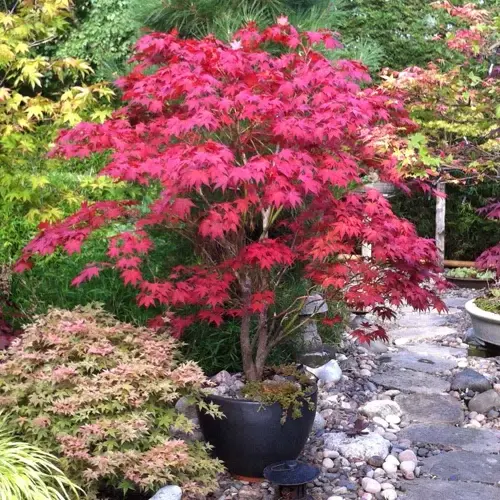
No, the sugar maple is not rare at all. The idea of sugar maple rarity falls apart fast once you look at the numbers. This tree is one of the most common hardwoods in the eastern United States. Across much of the Northeast, a fall hillside glowing bright orange is mostly sugar maples. That wave of color is the tree telling you how widespread it really is.
The sugar maple abundance shows up clear in the data. USDA figures put it on about 12.5 million hectares (31 million acres). That works out to roughly 9% of all United States hardwood land. It is a huge footprint for one species. You would never see that kind of spread from a tree that was hard to find.
In terms of raw numbers, the sugar maple ranks fourth in abundance across the eastern United States. Only three trees beat it. Those are loblolly pine, red maple, and sweetgum. The first two grow in very different soil and climate. So among the classic northern hardwoods, the sugar maple sits right near the top of the pile.
The sugar maple range stretches across a wide band of the country. The tree covers about 21.3% of the eastern United States by area. That is more than one acre in five. It thrives in cool, moist forests. It forms the backbone of many woodlands you walk through each fall.
The biggest commercial volumes sit in a handful of states. Michigan, New York, Maine, Wisconsin, and Pennsylvania hold the largest standing stocks of sugar maple wood. These states drive the lumber and syrup trades. They have enough mature trees to keep both going for a long time. A state would not rank that high if the tree were scarce there.
It helps to picture why this tree spread so far. The sugar maple handles shade better than most hardwoods. Young trees wait years in the dim forest floor for an opening above. When an old tree falls, they shoot up to fill the gap. This patience lets the species hold its ground for centuries. Few trees match it for staying power in a mature forest.
You can also see the abundance in plain economic terms. The sugar maple feeds the maple syrup trade of the United States and Canada. Tappers run lines through whole hillsides of these trees each spring. A scarce species could never support that kind of harvest. The syrup on your breakfast table is proof of how many trees stand out there.
The lumber side tells the same story. Hard maple flooring, cutting boards, and furniture all lean on a steady supply of this wood. Mills cut millions of board feet of it every year. You would not build a whole trade around a tree you had to hunt for. The sheer volume of sugar maple products in stores points straight back to how common the tree is in the forest.
Here is the part worth knowing. The species is common, but a few specific trees still count as uncommon. True old-growth giants that dodged the saw for two or three centuries are getting harder to find. Loggers cleared most of the biggest ones long ago. Certain named cultivars bred for shape or fall color also stay scarce at nurseries. Growers raise them in small batches. So a rare sugar maple does exist. It just means a rare individual, not a rare species. That is the real story behind sugar maple rarity.
If you want one for your yard, you will have no trouble finding a healthy young tree at most nurseries. Pick a spot with deep, moist soil and room for a wide crown to spread. Give the roots space and the tree will reward you for decades. The sugar maple is about as far from rare as a tree gets. Plant one with full confidence that you are choosing a proven, lasting species.
Read the full article: Sugar Maple: Care, Syrup, and Facts