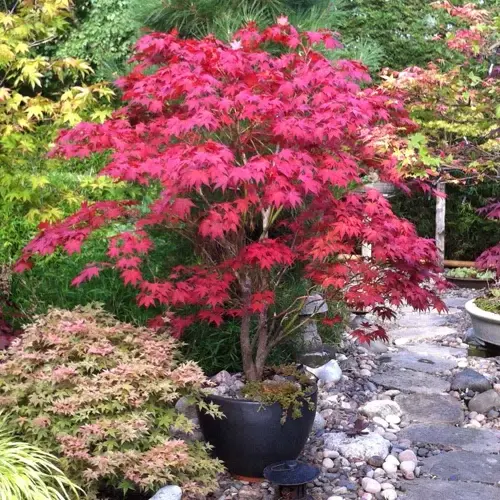
"We have that exact tree all over our parks back home," my cousin from Munich said. He stood by the Legacy sugar maple in the back corner of my upstate New York yard. He was sure of it. But there is no wild sugar maple in Europe at all. This tree is native to eastern North America. Any one you find across the Atlantic was planted by hand. It did not grow there on its own.
It took a few minutes to sort out what he meant. The tree in his home parks was a sycamore maple. That is a different species, and it grows wild across Europe. The leaves look close at a quick glance. But the bark and the seeds are not the same once you stop and study them. You can tell them apart fast once you know what to check.
The sugar maple native range runs across eastern North America. It covers roughly 31 million acres of forest. It stretches from the Great Lakes down through the Appalachians. That is where it belongs. It thrives in those cool northern woods and feeds the whole maple syrup trade. Europe's big maples are a separate story. The two trees most people there grow up with are the sycamore maple and the Norway maple. Both are their own species. Neither is the same tree you see in a Vermont woodlot. So when you read about a maple in Europe, check which one the writer means before you assume it is yours.
Here is how the three compare side by side, since the names trip up a lot of people.
You will still spot a sugar maple here and there in Europe. Think of it as a sugar maple ornamental Europe gardeners reach for on purpose. It shows up in private gardens. It shows up in botanical collections and arboretums too. People plant it for that deep red and orange fall color you rarely get from local trees. But it sits there as a planted guest. It is not part of Europe's native forests. You will not find it spreading into the woods on its own the way it does back home.
If you garden in Europe and want one, you can grow it. The trick is matching the spots it likes best. Pick a place where your summers stay cool and your soil drains well. Hot dry heat stresses this tree fast, and it sulks in poor drainage. Parts of Britain give it a fair shot. So do northern France, much of Germany, and the cooler hills of central Europe. Give it room and steady moisture and it will reward you each autumn. Water it through dry spells in its first few years while the roots settle in. Mulch the base to keep the ground cool, and your tree will hold its color longer when fall arrives.
Just know going in that it stays far less common over there for a reason. The climate suits it less than the cold winters and humid summers it grew up with in North America. You will baby it more than you would a local sycamore maple. That native tree asks for almost nothing and shrugs off rough soil. So plant the sugar maple if you love the fall show and can give it the right corner. Plant a native maple if you want an easy tree that takes care of itself.
Read the full article: Sugar Maple: Care, Syrup, and Facts