
The best tulip poplar planting location is an open, full-sun spot with deep, moist soil that sits well away from any structure. This tree gets big and fast, so the spot you pick on planting day has to suit a giant, not the small whip in your hands. Get the siting right now and you avoid a lifetime of pruning headaches and storm damage later.
Here is the scale you are working with. A mature tulip poplar spreads a 30 to 40 foot (9 to 12 m) crown and drops brittle limbs in wind and ice. The best place for a tulip tree gives that future canopy the same clearance you would picture handing a 70 to 90 foot (21 to 27 m) tree. Plant it tight against the house and those falling branches land on your roof.
Sun comes first. NC State Extension and the University of Minnesota both call for full sun of 6 or more hours a day. In shade the tree grows thin and weak and flowers poorly. The soil matters just as much. Aim for deep, moist, well-drained loam that runs slightly acidic near pH 6.0 to 7.0, and steer clear of compacted ground.
This tree has real limits, so match the site to them. It is hardy across zones 4 to 9 but shows poor tolerance for compaction, heat, and drought. A baked strip by a south-facing wall or a packed-down spot near a new build will stress it for years. Pick low, open ground that holds moisture without staying soggy, and the tree will reward you with fast, straight growth.
Now for the numbers that protect your property. Set the trunk 35 to 50 feet (11 to 15 m) from houses, decks, driveways, and parked cars. That tulip poplar spacing keeps the wide crown clear of your roof and keeps brittle limbs from landing on a car. Roots run wide too, so keep that same distance from foundations and pipes, a point the roots question covers in full.
- Sun: Choose a spot with at least 6 hours of direct sun; the tree will not thrive in shade.
- Soil: Look for deep, moist, well-drained, slightly acidic soil around pH 6.0 to 7.0, and avoid compacted ground.
- Clearance: Keep the trunk 35 to 50 feet (11 to 15 m) from houses, decks, driveways, and parked cars.
- Overhead: Check for power lines and overhanging structures, since the tree will reach 70 to 90 feet (21 to 27 m).
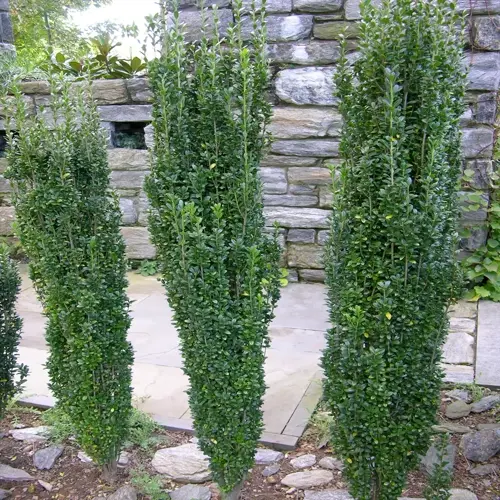
- For small yards, choose a compact cultivar such as 'Little Volunteer' or columnar 'Arnold' instead of the full-size species.
Spacing also depends on what stands nearby. Give the tree room from other large trees so the crowns do not crash into each other in 20 years. A lawn open to the south or west works best because it keeps the canopy in steady sun all day. Skip low pockets where water sits after rain, since soggy roots invite rot and weak growth.
Think about the long game before you dig. This tree can live for decades, so the spot needs to suit it at full size, not just this spring. Picture the trunk thick enough that two people cannot reach around it. Picture the crown wide enough to shade half the yard. Plant for that tree and you will not be fighting it with a saw every other year.
Short on room? You still have a way in. The compact cultivar Little Volunteer stays far smaller than the wild species. The narrow, columnar Arnold fits tight spaces where a full-size tree would crowd everything around it. Pick one of these and you still get the same bold leaves and tulip-shaped flowers. You just do not have to hand over your whole yard to one trunk.
Read the full article: Tulip Poplar: Growth, Care, and Wildlife Value