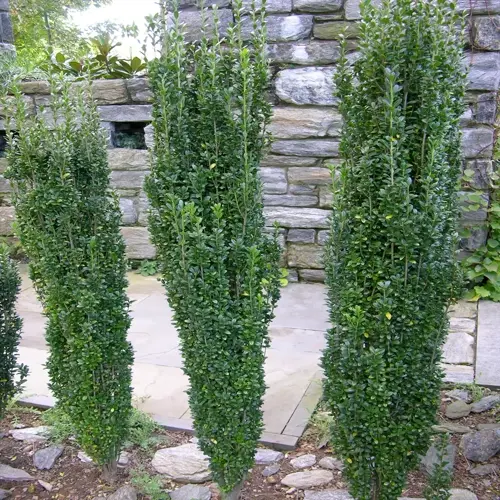

I watched a July storm tear a heavy limb off my Little Volunteer in the damp back corner of the yard. It landed flat on open lawn, a good 15 feet from the deck. The branch had grown fast and snapped clean at the trunk. It lay there on the grass with the leaves still bright green, thick as my arm. I planted that tree far from the house on purpose, and that single choice was the whole story of why my deck was fine.
The biggest of the tulip poplar downsides is brittle wood that breaks in wind, ice, and snow. That limb missed the house only because the tree sat far from it. Placement, not the tree itself, is what kept the damage to a few divots in the turf.
The breakage comes straight from how fast this tree grows. A young tulip poplar can add 24 inches or more each year, and that speed builds light, low-density wood. Quick growth never lays down the dense fibers that hold a branch together in a gust. So the tulip tree weak wood gives way long before a slower oak would even bend.
Wind is not the only thing that finds those branches. Wet snow and a coat of ice add weight a thin limb cannot carry, and the wood splits at the joint. Large mature trees lose their biggest limbs first, since those carry the most weight out at the tips. You get the loudest crack and the heaviest cleanup from the branches highest up. I have hauled off a single limb that filled the whole bed of a pickup.
Size is the other thing people underestimate. A tulip poplar can reach 70 to 90 feet tall with a wide, heavy crown. That scale is stunning on an acre and a real headache on a small lot. The roots spread far past where you expect. The shade swallows your vegetable bed. And any falling limb has a long way to travel before it lands in your yard. I once watched a neighbor plant one 10 feet off his foundation. Five years later the surface roots had buckled his walkway, and the lower branches scraped his gutters every time the wind picked up.
Then come the pests and the mess. NC State Extension and UT Gardens both flag the tuliptree aphid. This bug coats the leaves and drips a sticky honeydew onto whatever sits below. That sugar feeds black sooty mold that films your car, your patio, and the lower leaves. Tuliptree scale piles on too. Add heavy seed and leaf litter, and you have the full list of tulip poplar problems you rake up each fall.
Plant a full-size tulip poplar 35 to 50 feet from your house, deck, and driveway. For a small yard, pick a compact cultivar like Little Volunteer so the mature crown never crowds the buildings.
Here is the good news. You fix almost all of the tulip poplar downsides at planting, not later. Give a full-size tree the 35 to 50 feet of clearance it needs from your buildings and walkways, and a dropped limb hits your grass instead of your shingles. The aphids and scale rarely kill a healthy tree. A strong wash of water or a dormant oil spray clears most outbreaks for you. You do not need to spray on a schedule or baby the tree to keep it green.
For a tight lot, choose the tree by its grown size from day one. A compact cultivar stays in scale and spares you the worst of the litter and the limb drop. Set it in the right spot, and the tulip poplar pays you back with fast shade, tulip-shaped blooms, and gold fall color for the next 50 years.
Read the full article: Tulip Poplar: Growth, Care, and Wildlife Value